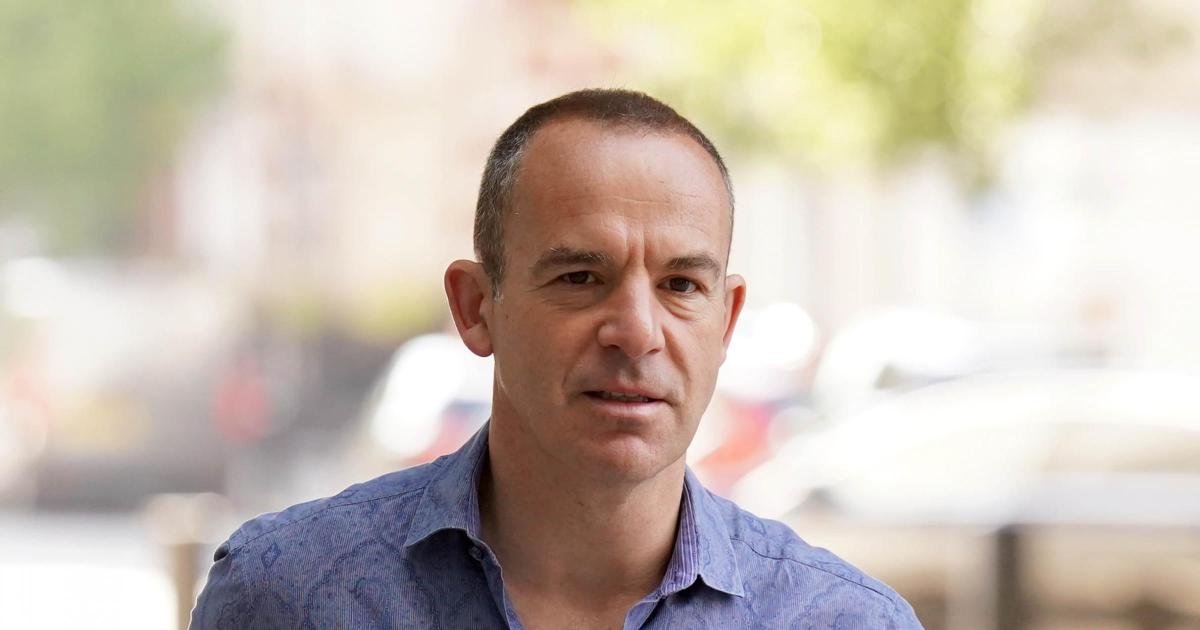
On his podcast, the founder of MoneySavingExpert has broken down the complex rules behind Inheritance Tax, explaining how allowances work and why many estates never end up paying the charge.
Inheritance tax is the levy applied to someone’s estate when they die, including assets such as property, savings, investments, businesses and other valuables.
But Lewis says the rules mean many people can pass on large sums without triggering the tax.
“You can leave a substantial amount without paying any inheritance tax at all,” he explained.
The HMRC £325,000 tax-free allowance
For someone who is not married or in a civil partnership, the starting point is the standard inheritance tax allowance.
“The basic allowance is £325,000, which is the amount you can leave without paying any inheritance tax on it,” Lewis said.
“If the total value of what you leave is less than that, there’s no inheritance tax to pay.”
Anything above that threshold is normally taxed at 40 per cent.
The extra £175,000 home allowance
Many families can increase their tax-free limit if they leave their home to direct descendants.
“If you’re leaving your main residence to your children or grandchildren, there’s another £175,000 allowance,” Lewis explained.
“When you add those two together, you could leave up to £500,000 without paying inheritance tax.”
This additional threshold is often referred to as the “residence nil-rate band.”
Married couples can pass on up to £1 million
The rules become even more generous for married couples and civil partners.
Lewis says there are two major benefits.
“The first is that anything you leave to your spouse is exempt from inheritance tax,” he said.
“So even if you were incredibly wealthy and leaving billions, there would be no inheritance tax when it passes to your husband, wife or civil partner.”
The second benefit is that unused allowances can be transferred to the surviving partner.
“Imagine you die and leave everything to your spouse,” Lewis explained.
“That means your allowances haven’t been used. When your partner later dies, they can combine their allowance with yours.”
“That means together they could leave up to £1 million to their children without inheritance tax.”
Who Really Pays Inheritance Tax? In 90 seconds.
Full Inheritance Tax info including how give & live, pensions, marriage, charity and more in the new Martin Lewis Podcast on https://t.co/ioY6k8kVTb, Apple, Spotify & all the usual pod players. pic.twitter.com/BdxOPoGaW0
— Martin Lewis (@MartinSLewis) March 6, 2026
When inheritance tax applies
Once allowances are used up, the remaining estate is usually taxed at 40%.
However, Lewis says the rules around inheritance tax are complex and there are many legal ways to reduce the bill.
“There are lots of rules about gifts you can make while you’re alive, whether they’re given from income or covered by specific allowances,” he said.
“These can all help reduce the amount of inheritance tax that might eventually be due.”
Recommended reading:
Inheritance tax remains one of the UK’s most misunderstood taxes, with many families assuming they will pay it when they may not.
Lewis says learning the basics of the system can help people plan ahead and protect more of their estate for their families.
“There are huge numbers of rules around gifting and allowances,” he said.
“We go through them in detail so people really understand how inheritance tax works.”