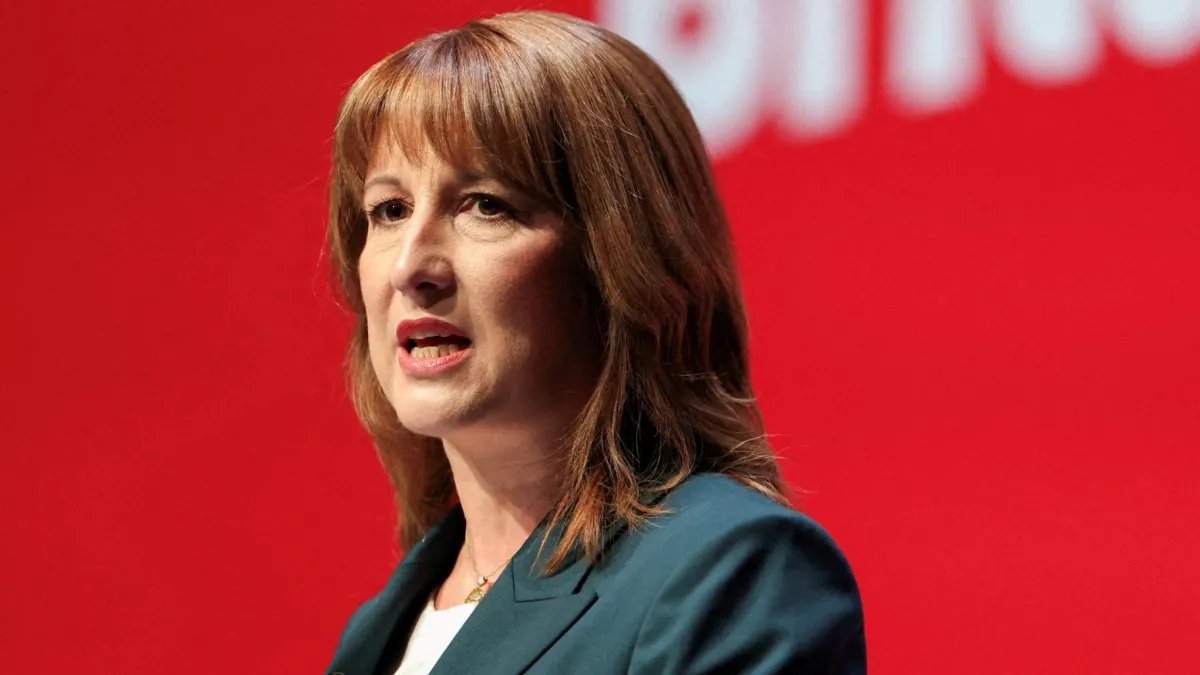
Economists believe it is almost certain that the Chancellor will continue the freeze on income tax thresholds
Workers are set to be hit with an added tax bill of £250 a year under plans being weighed up by Rachel Reeves to extend the stealth income tax rise introduced by the Conservatives.
The thresholds at which earners start to pay the 20p basic rate, 40p higher rate and 45p additional rate of income tax have been frozen since 2021 – rather than rising in line with inflation.
That means that as workers’ incomes have increased in nominal terms each year, they end up paying a higher percentage of their earnings in tax.
The Chancellor previously promised to end the freeze in 2028, from which time the thresholds will again go up each year in line with inflation. But she has now abandoned that pledge and economists believe it is inevitable that at next month’s Budget she will extend the status quo for at least two more years.
This move, known as “fiscal drag”, would make the Treasury an extra £10bn a year, reducing the need for other more controversial steps such as increasing the percentage rate of income tax – something no government has done for half a century.
But it would also hit all taxpayers earning more than £12,570 – the level at which you start paying income tax – because they would face higher bills than if the thresholds increased.
For a worker currently on £42,000, which is slightly higher than the average wage for someone in full-time employment, the cost would be around £250 a year if their wage increased by 5 per cent – the current rate of average earnings growth – and inflation returned to its 2 per cent target. They would be dragged into paying higher rate income tax by 2030.
Someone working full time on the National Living Wage would face an additional £143 a year in taxes under the same assumptions about wage growth and inflation. The extra bill would be higher if either inflation or earnings grew faster than expected, or lower if the opposite happened.
Treasury had trumpeted end to stealth tax
Successive chancellors have opted for a thresholds freeze because it can be difficult for taxpayers to understand the effect that inflation has on their pay and living standards over time, with their income increasing in nominal terms even if its value is eroded in real terms.
In April, the Treasury trumpeted the decision at previous fiscal events not to extend the freeze beyond 2028, the date when it is due to expire under a policy introduced by Jeremy Hunt. A spokesman said: “This Government inherited the previous government’s policy of frozen tax thresholds. At the Budget and the Spring Statement, the Chancellor announced that we would not extend that freeze.”
But asked whether that decision still stands, the Treasury said this week only: “We do not comment on speculation around changes to tax outside of fiscal events.”
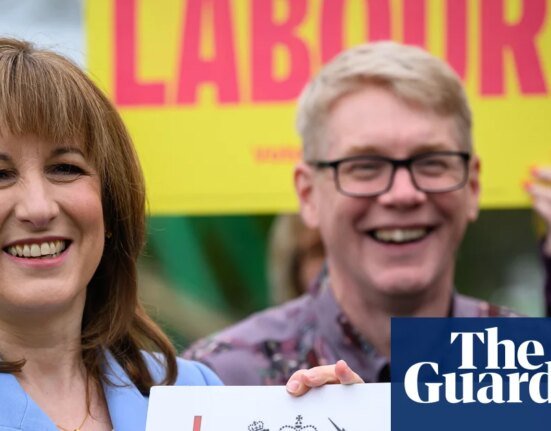
A copy of Reeves’s schedule photographed in her hand on Wednesday showed an hour-long meeting on “thresholds”. One former Treasury official said she would “without a doubt” choose to extend the freeze in order to raise revenue, while consultancy Oxford Economics has told clients it is “a near certainty” that the thresholds will be frozen.
This week the Chancellor and Prime Minister have also left the door open to an increase in the rate of income tax, which would be a direct violation of the last Labour general election manifesto. Raising the basic, higher and additional rates by 1p each would raise roughly the same amount of money as a further two-year freeze to the thresholds.