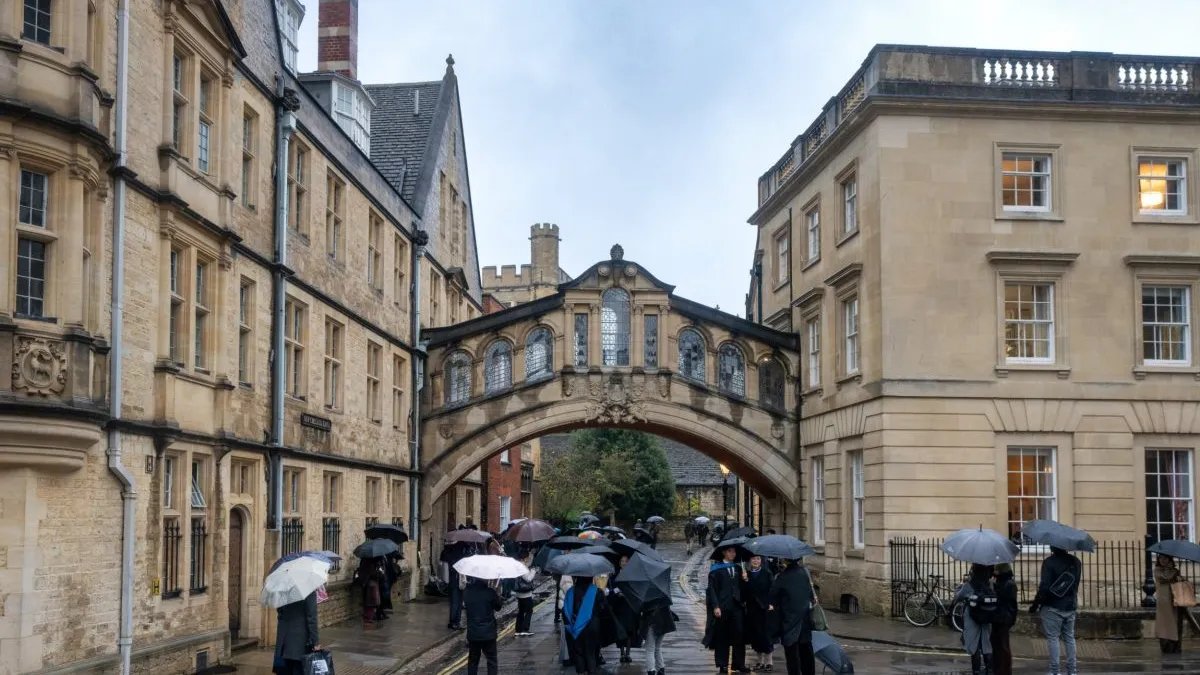
Rachel Reeves will this week confirm a tax raid on universities to fund grants for poorer British students as part of a cost-of-living drive in the Budget.
The Chancellor has promised to “cut the cost of living” amid criticism from left and right that she has been too focussed on tinkering with the public finances rather than driving economic growth and boosting living standards.
One measure which will be included in the Budget is confirmation of a plan first floated in the spring to apply a new levy on the university tuition fees paid by students from overseas.
The suggested rate of the tax when it was initially mooted was 6 per cent, which would cost the university sector a total of £600m – with several institutions paying more than £20m each and University College London facing a bill of £42m.
The tax on international students would pay for maintenance grants for British students from low-income households, the Department for Education said.
Universities previously warned that this could trigger course closures and push institutions into deficit, as international student fees heavily subsidise the cost of educating domestic students.
A Department for Education spokesman said: “Further details will be set out at the Budget. More widely we have backed universities by taking the tough decision to increase tuition fees, helping restore their role as engines of aspiration, opportunity and growth.”
Reeves is adopting a so-called “smorgasbord” approach to the Budget, raising money through a series of relatively small tax rises after deciding against increasing income tax.
She is set to extend the freeze on income tax thresholds, limit workplace pension tax breaks and impose a new levy on gambling. But the Chancellor is expected to delay plans for a new landfill tax which construction industry insiders feared would drive up prices.
Reeves is also understood to have rejected pressure from the US administration to cut the digital services tax, which mostly affects American tech giants – a move which would have forced her to find more cash elsewhere.
Writing for the Sunday Mirror, she said: “Working families will be at the front of my mind as I set out how we will cut NHS waiting lists, cut national debt and cut the cost of living. These are the priorities of the country and my priorities as your Chancellor.”
In a speech to the CBI business group on Monday, Business Secretary Peter Kyle will pledge to double down on the plan to boost the economy, cutting regulations for firms and reducing corporate energy bills.
He is expected to say: “Turning the corner on growth is not like the slow alteration of turning a tanker. It’s more like turning out of harbour in a speedboat: the bumpiest part is getting up to speed. Once you’re there you bounce from wave to wave, steady and on course.”
Your next read

Andy Haldane, the former chief economist at the Bank of England, warned that the Budget process had restricted growth. He told the BBC’s Sunday With Laura Kuenssberg: “We’ve had month upon month of speculation – fiscal fandango, basically. And that’s been costly for the economy. It’s caused paralysis among business and consumers.”
Ex-chancellor Ken Clarke told Times Radio: “We run the risk if we get it wrong and continue to get it wrong of a serious financial crisis.” He said Reeves should balance the books by increasing income tax and fuel duty, which both affect the majority of the population.
But Sharon Graham, head of the Unite union, called for a focus on taxing the rich – saying: “They need to do a wealth tax, because everyday people cannot pay any more.”