The DWP has confirmed rules for pensioners whose sole income is the Basic and full New State Pension

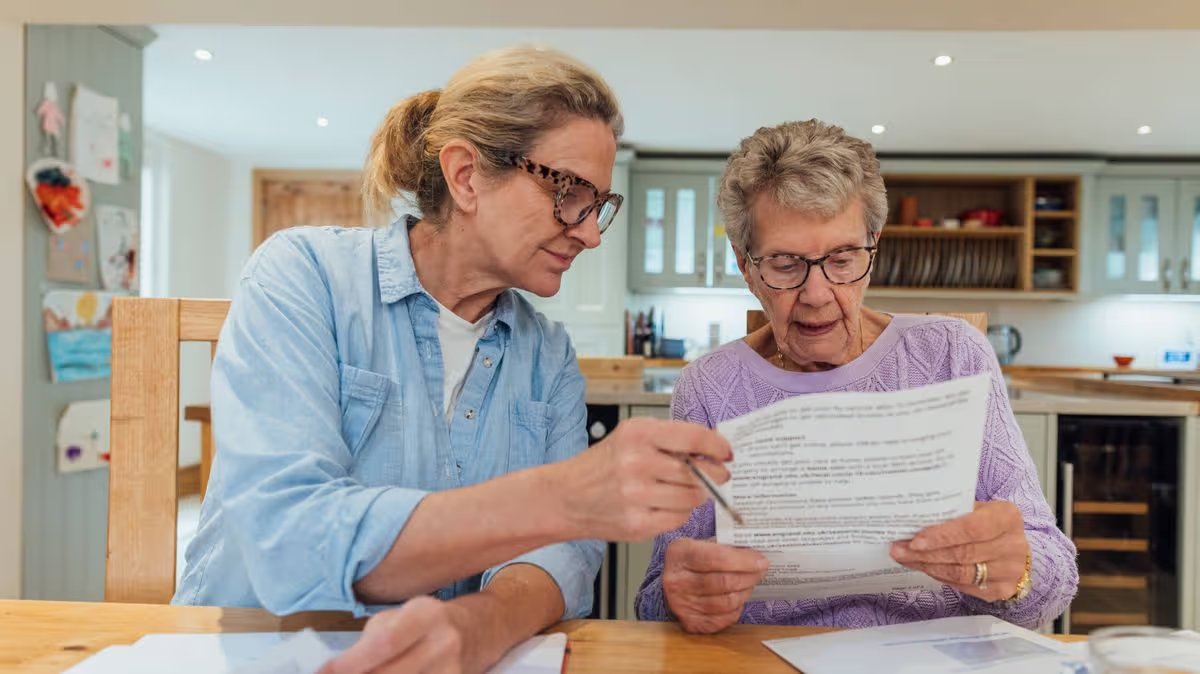
Millions of elderly Brits are set for a substantial State Pension boost this year(Image: SolStock via Getty Images)
The Department for Work and Pensions (DWP) has confirmed that pensioners whose sole income is the Basic and full New State Pension, “without any increments, will not pay any income tax this tax year or next”.
Pensions Minister Torsten Bell also pledged that the UK Government remains dedicated to ensuring older people can live with the “dignity and respect they deserve in retirement”. His remarks came in a written reply to Labour MP Euan Stainbank, who questioned whether Chancellor Rachel Reeves intends to extend the income tax exemption to older people with private pensions “who receive the same income as those who solely receive the maximum State Pension”.
The Chancellor revealed in November that the Personal Allowance will remain frozen at £12,570 until April 2031. Mr Bell described the State Pension as the “foundation” of retirement support, adding that throughout this Parliament, the annual amount of the full New State Pension is set to rise by approximately £2,100, reports the Daily Record.
He went on to say: “When it comes to taxes, social security benefits are treated differently depending on why they are paid. Generally, benefits that replace income, like the State Pension, are taxable.
“However, I can confirm that those whose sole income is the basic and full new State Pension, without any increments, will not pay any income tax this tax year or next. Furthermore, the Chancellor has said that those whose only income is the Basic or New State Pension without any increments will not have to pay income tax over this Parliament.”
The DWP outlined that the UK Government will accomplish this by “easing the administrative burden” for pensioners, ensuring they won’t need to settle modest tax amounts through Simple Assessment from 2027/28 onwards. Further information on this measure will be revealed “in due course”.
Millions of elderly Brits are set for a substantial State Pension boost this year following a 4.8 per cent rise in both the New and Basic State Pension from April 6.
The uplift means recipients of the full New State Pension will collect £241.30 weekly, while those receiving the maximum Basic State Pension will get £184.90 each week.
It’s crucial to note that State Pension amounts vary based on National Insurance contributions. Securing the full New State Pension typically requires approximately 35 years of contributions, though this can vary for those who were ‘contracted out’.
The full New State Pension will climb by roughly £574 to £12,547 throughout the new financial year.
New State Pension payment rates 2026/27
Full New State Pension
- Weekly: £241.30 (from £230.25)
- Four-weekly pay period: £965.20
- Annual amount: £12,547
Full Basic State Pension
- Weekly: £184.90 (from £176.45)
- Four-weekly pay period: £739.60
- Annual amount: £9,614
Other State Pension rates
- Category B (lower) Basic State Pension – spouse or civil Partner’s insurance: £110.75 (from £105.70)
- Category C or D – non-contributory: £110.75 (from £105.70)
Full details on Additional State Pension, Widows Pension, increments and Invalidity Allowance can be found on GOV.UK.
State Pension and taxation
Official guidance on GOV.UK explains: “You pay tax if your total annual income adds up to more than your Personal Allowance. Find out about your Personal Allowance and Income Tax rates.
Your total income could include:
- the State Pension you get – Basic or New State Pension
- Additional State Pension
- a private pension (workplace or personal) – you can take some of this tax-free
- earnings from employment or self-employment
- any taxable benefits you get
- any other income, such as money from investments, property or savings
Check if you have to pay tax on your pension
Before you can check, you will need to know:
- if you have a State Pension or a private pension
- how much State Pension and private pension income you will get this tax year (April 6 to April 5)
- the amount of any other taxable income you’ll get this tax year (for example, from employment or state benefits)
You cannot use this tool if you get:
- any foreign income
- Marriage Allowance
- Blind Person’s Allowance
Use this online tool at GOV.UK to check if you have to pay tax on your pension. The full guide to tax when you get a pension can be found on GOV.UK here.