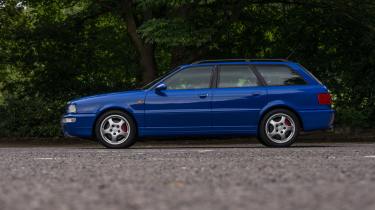
For reference, the Audi RS3, which escapes the 2025 UK hike, clears the 2024 French threshold for a €60k ‘pollution tax’ by just 14g/km. The BMW M3 is in the top class too, though the heavily hybridised cars mentioned above, with CO2 figures under 100g/km (118g/km to be precise), get zilch. They might get tagged by the tax rules around weight, but they’re generally financially preferable to lighter cars without emissions-friendly hybrid tech.
French rules see pollution tax more or less double the figure of the previous tier, for the tier above. For example, 135-139g/km incurs a €510 bill, while 140-149g/km a €983 bill. By comparison, while 160-169g/km incurs a €4279 bill, 170-179g/km incurs a €8770 bill. That goes up to €22,380 for 180-189, and €45,990 for 190-193 before the top level tax kicks in. And remember, these are 2024 rules, with increases possible for 2025. The grass isn’t always greener…
Older and classic car road tax
For cars older than March 2001, car taxation is fairly simple. As of Janury 2025, if your engine is 1549cc or less, it’s £210. If it’s more than 1549cc, it’s £345.
Alongside their old school charm, classic cars also provide the benefit of zero road tax. What’s less widely known is the requirement to apply for a road tax exemption, something that can be granted should your car be 40 years old or more. The process can once again be undertaken on the government website, or at a Post Office.
How to pay car tax
VED can now be paid on the government website. Should you have received a DVLA V11 reminder letter through the post, this can be referenced in the process to speed things along.
Car tax can also be paid at your local Post Office, all you’ll need is your V5C, a valid MoT, proof of insurance and a road tax reminder should you have one. The DVLA also offers a 24 hour phone service that can be accessed 0300 123 4321.