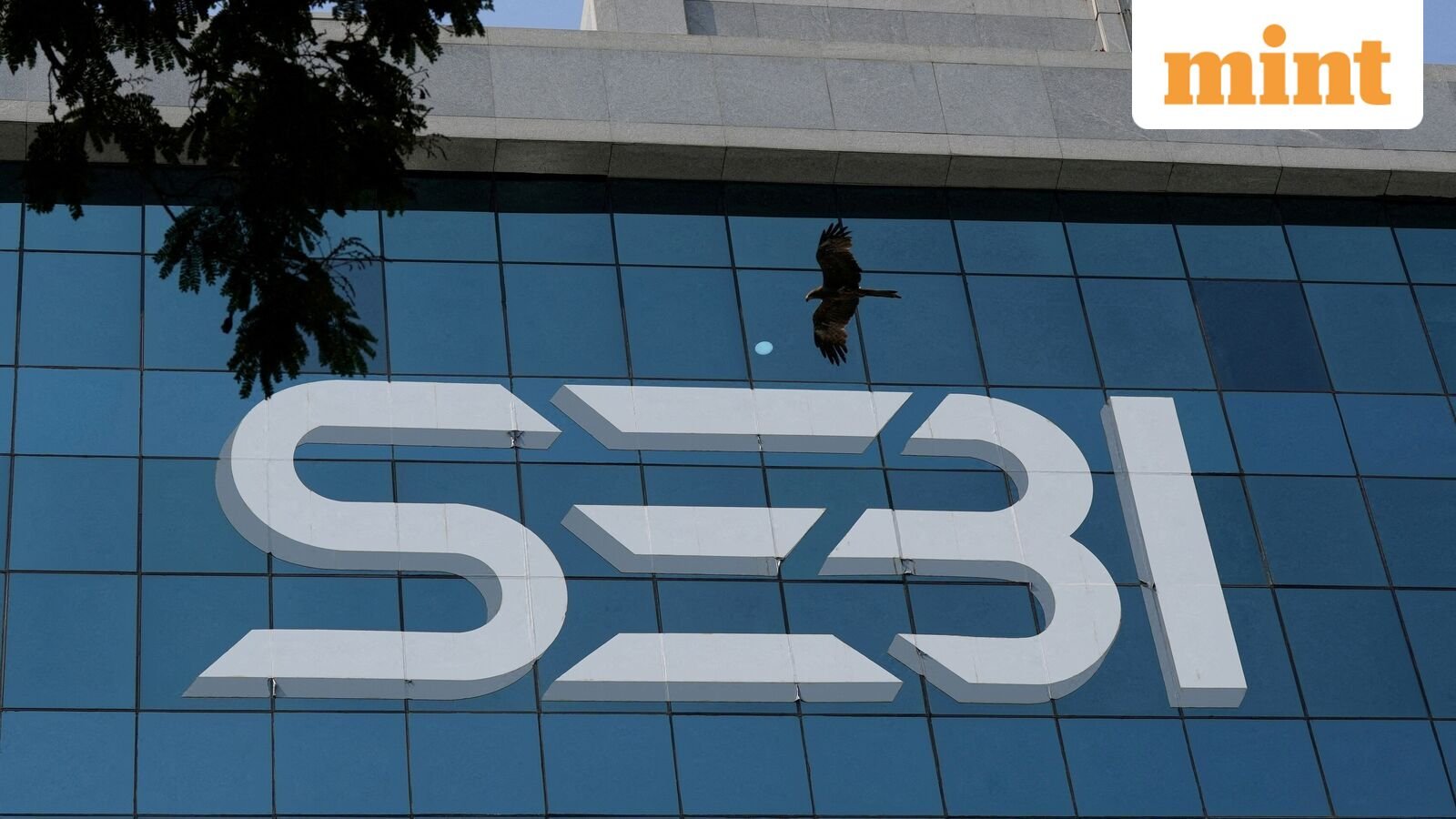
Mumbai: India’s market regulator has moved to significantly soften the regulatory framework governing technical glitches at stockbrokers, a step that will sharply reduce compliance costs for smaller firms while retaining oversight over larger, technology-heavy players.
In a circular issued on Friday, the Securities and Exchange Board of India (Sebi) said it has reviewed and revised the existing framework as part of its broader “ease of compliance” initiative.
The revised rules narrow the scope of the technical glitch framework by limiting its applicability to stockbrokers with more than 10,000 registered clients.
Sebi estimates that this change will take nearly 60% of brokers out of the framework, effectively exempting a large number of small and mid-sized firms that have limited scale and lower dependence on complex trading technology.
Stock exchanges will release the list of the applicable stock brokers and further guidelines.
“By easing and simplifying compliance where applicability and impact are minimal, Sebi has ensured that regulatory requirements remain proportionate rather than burdensome,” said Raj Shah, co-founder and executive director at EPP Securities.
Until now, the framework has been applied uniformly across brokers, regardless of size. The move follows a consultation paper published in September last year.
Reporting requirements
In another key change, Sebi has clarified that not all system-related issues will qualify as reportable technical glitches. Glitches that originate outside a broker’s own trading architecture, do not directly affect trading functionality, or have a negligible impact, will now be excluded from the framework.
This effectively provides brokers immunity from penalties for problems beyond their control or issues that do not impair their ability to provide trading services to clients.
Reporting requirements have also been simplified. Brokers will now have two hours, instead of one, to report a technical glitch to the stock exchanges as well as their clients. The revised framework also takes trading holidays into account when calculating reporting timelines.
Stockbrokers must file a preliminary incident report with the stock exchange within one day of a technical glitch, or the next trading day if it falls on a holiday. A root cause analysis report must be submitted within 14 working days, with all reports filed through the common reporting portal.
Reporting of technical glitches has been streamlined through a single common reporting platform, replacing the earlier requirement to report separately to multiple stock exchanges.
Sebi has also rationalized technology-related compliance obligations, including requirements around capacity planning and disaster recovery drills. These obligations will now be calibrated based on the size of the broker and the extent of its reliance on technology.
Stock exchanges will also issue detailed guidelines on software testing, traceability matrices, change management processes and periodic asset updates.
The financial disincentive structure linked to technical glitches has been similarly reworked. Penalties will now factor in exemptions, the severity of glitches, which will be classified as major or minor, and the frequency of occurrences. Detailed disincentive norms will be issued by stock exchanges.
“Sebi has acknowledged the operational reality that technical glitches are more likely to arise in brokers handling large volumes of data and trades, and has therefore calibrated applicability accordingly,” Shah said.