I’ve been self-managing my finances via a curated bundle of exchange-traded funds over the past two years and done quite well. But as my wife and I enter our 70s, I want to simplify everything in case something happens and I can no longer give our finances the attention they need. I want to move my funds into single ETFs for each account. So which ETF should I put my tax-free savings account and registered retirement income funds in if I had to choose one?
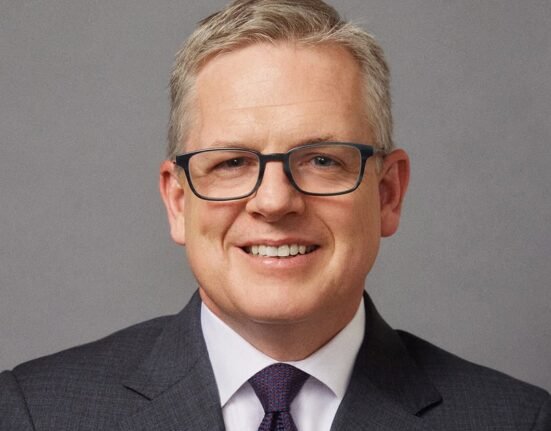
We asked Steve Bridge, CFP and advice-only financial planner, of Money Coaches Canada, to answer this question.
DIY investing is a fairly common practice among Canadians. According to the 2024 Investor Index from the Canadian Securities Administrators, approximately 45 per cent of Canadians have at least some self-directed investments.
But to your specific query, first, congratulations on the progress you’ve made and on recognizing the value of simplicity as you and your wife move through your 70s. “I’m a big believer in keeping things simple,” Mr. Bridge said, “both in my own investing and with clients.”
Let’s start with a little housekeeping: Exchange-traded funds can hold a basket of stocks, bonds or both. An “all-in-one” ETF goes further by holding other ETFs to create a globally diversified portfolio in one product. They’re similar to mutual funds but usually with lower fees and the convenience of being traded on an exchange.
Active ETFs hold promise but also pose pitfalls amid uncertainty
Moving toward a single ETF per account can definitely make sense, Mr. Bridge added. “These funds take care of diversification and rebalancing for you. But the critical first step is deciding on the right asset mix – how much you want in stocks versus bonds and cash.”
That balance, he said, depends on:
- whether you have a pension or other reliable income sources;
- your comfort with risk and market ups and downs;
- the purpose of each account – current spending or leaving funds for later/heirs;
- your tax and withdrawal strategy (especially for RRIFs).
“For example, you might want more fixed income in your RRIF if you’re drawing from it soon and more equities in your TFSA if you plan to let it grow or leave it to heirs,” he said.
Taxes, withdrawal timing and goals often matter more than the specific investment product. “That’s why some retirees run their numbers past an advice-only financial planner (who focuses on advising the client but doesn’t sell investment products) for a second opinion,” Mr. Bridge said. “A robo-adviser (an online service that automatically manages your investments at low cost) is another option if you want to offload the day-to-day choices.”
Mutual funds vs. ETFs: What you need to know to decide what investment works for you
Finally, Mr. Bridge advises to keep your spouse fully informed of what you own, where accounts are held and why. That way, everything remains manageable if she ever needs to step in.
The bottom line? “One ETF per account is a great way to simplify – just make sure you’ve got the asset allocation right first. Once that’s in place, the investment decision is easy.”
Do you want advice on a financial planning or retirement issue that’s affecting you? Send us an e-mail.