Key Takeaways
- Collision insurance covers damage to your car when you are at fault.
- This insurance pays for damage from collisions, potholes, and objects like poles or guardrails.
- Collision coverage doesn’t include damage from theft or vandalism.
- It must be purchased with liability and comprehensive coverage.
- Comprehensive covers uncontrollable events, while collision covers incidents within your control.
What Is Collision Insurance?
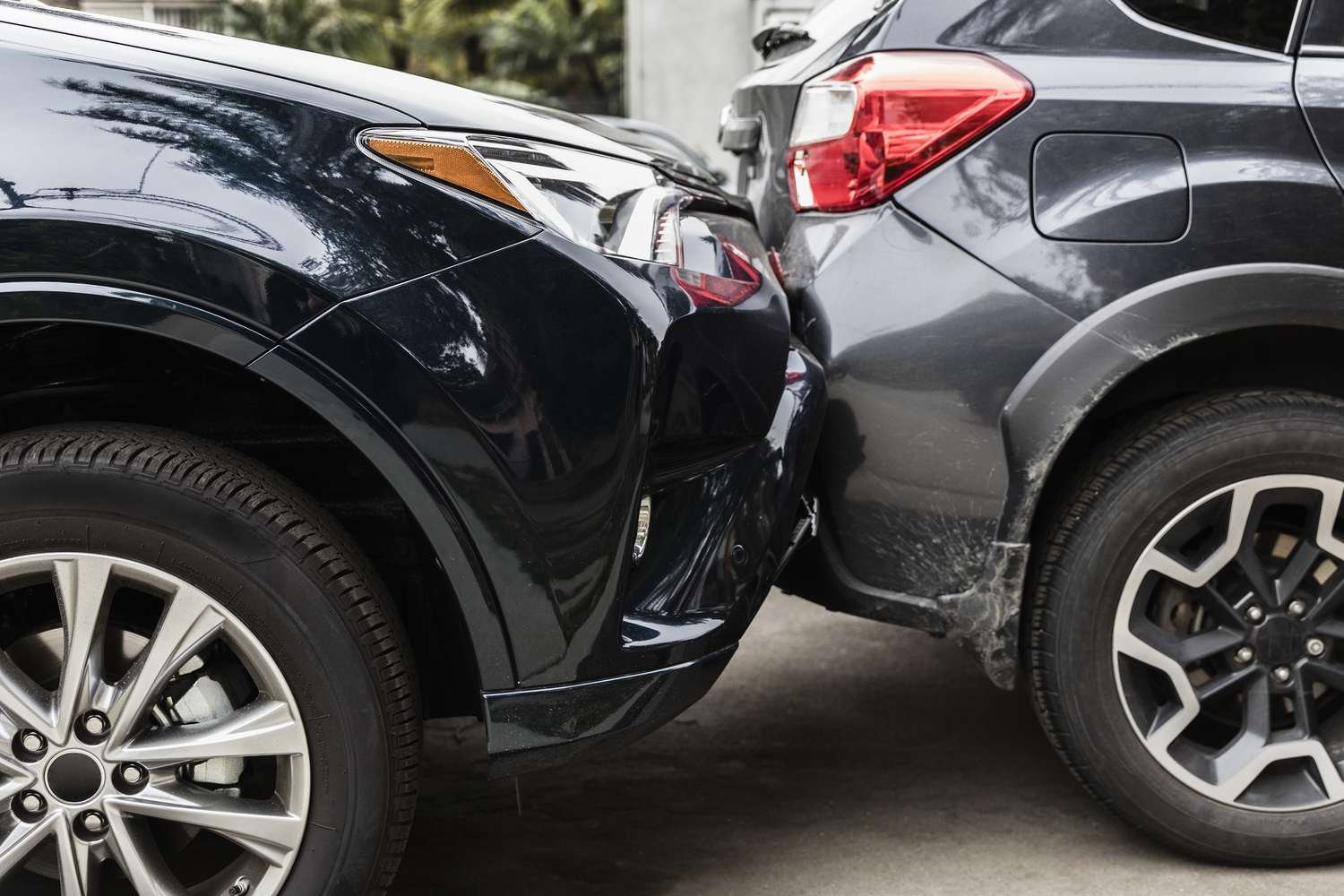
Collision insurance is auto coverage that reimburses the insured for damage sustained to their personal automobile, due to the fault of the insured driver. This type of insurance is often added as an extension of a basic automobile policy to protect drivers in the event of damage from a collision.
Understanding the Mechanics of Collision Insurance
As the name implies, collision insurance repays the insured for damage from an actual collision. It does not cover damage due to theft or vandalism. It also does not cover damage that is paid from another driver’s policy, if the other driver was at fault.
Collision coverage is very important for protecting your vehicle against the financial loss that comes with physical damage to your vehicle. It’s not hard to get into an accident. When an accident happens, someone is always at fault, and that could be you.
Important
Collision insurance will cover damage from a collision with another vehicle, tree, pole, guardrail, and most other possible roadway hazards.
Essential Points About Collision Insurance
- Collision insurance can be bought only in conjunction with liability and comprehensive coverage.
- Collision insurance repairs damage when two vehicles in drive or reverse collide with each other.
- Collision insurance will cover damage to your vehicle if you hit ice and slide into an inanimate object.
- Collision covers pothole damage.
- Collision coverage can be expensive, but people can save on premiums by choosing a $500 or higher deductible.
Comparing Comprehensive and Collision Insurance
The main difference between collision and comprehensive coverage comes down to the question of what the driver controls. Collision insurance will cover events within a motorist’s control or when another vehicle collides with your car. Comprehensive coverage generally falls under “acts of God or nature,” or things that are typically out of your control when driving. These can include events such as a spooked deer, a heavy hailstorm, or a carjacking.
Let’s use the aftermath of a major storm to illustrate the differences between collision and comprehensive. Within that storm, let’s consider two hypothetical events: First, a heavy telephone pole was blown down and fell on your truck, or second, you swerved to avoid a falling tree and wound up crashing into a guardrail. In the first event, you couldn’t control when or why a tree fell on your car.
This kind of accident would get reimbursed under your comprehensive policy. In the second situation, you were driving the car and ultimately swerved into the guardrail. This makes it a collision, and collision insurance pays for the damages.