Shadow chancellor Sir Mel Stride also said the party would abolish business rates for high street shops.

The Conservative Party says they would give young people a £5,000 tax rebate in their first job, in a bid to help them buy their first home. The Tories shadow chancellor Sir Mel Stride also said the party would abolish business rates for high street shops.
In his speech, Sir Mel attacked the Labour Party government’s record in office, adding they would leave a “mountain of debt for the next generation”. “We’re the only party that gets it. The only party that will stand up for fiscal responsibility,” he added.
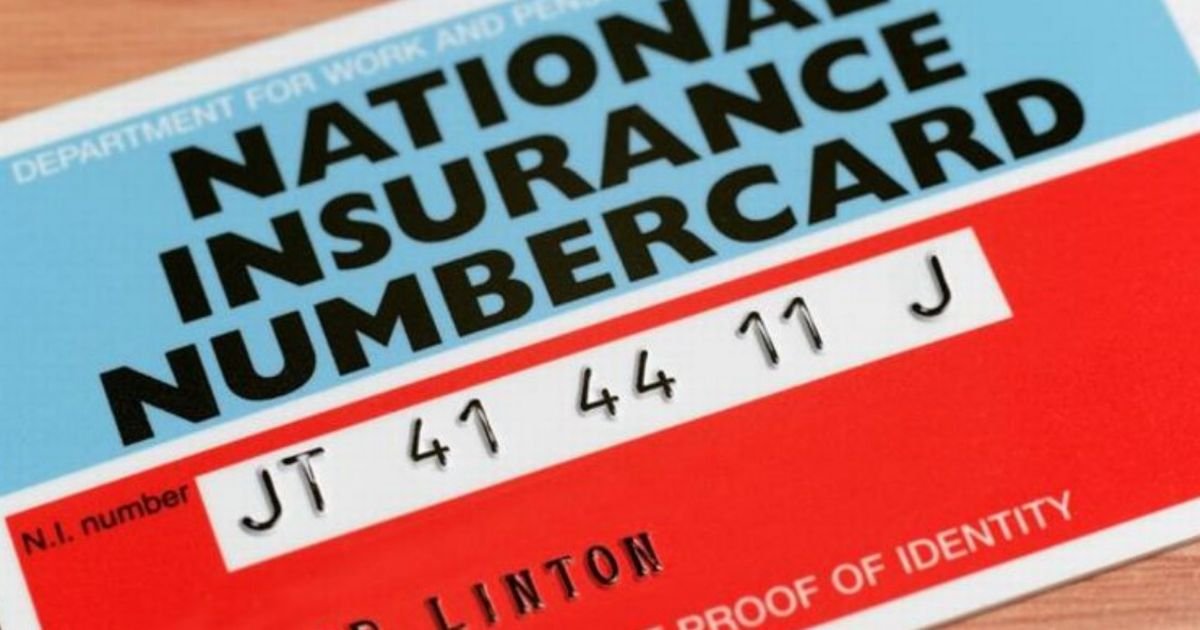
“And that means we have to face some hard truths to which other parties turn a blind eye.” Under the Tory housing plans, people would see the first £5,000 of National Insurance they would have paid in their first job redirected into a nominated savings account of their choice.
READ MORE State pensioners born after 1951 face ‘losing payment’ over £23,000 rule
The proposals, branded the First Job Bonus, would allow couples to save a combined £10,000, in a policy that would cost £2.8bn a year, the party says.
Those benefiting from the scheme, which would be restricted to British nationals, would be able to draw down the pot after five years.
Sir Mel said it would allow young people to put the money towards a house deposit, or “savings for later life”.
Tom Clougherty, IEA executive director, said: “Ultimately, no political party is going to be able to balance the books only by cutting things their supporters don’t like.
“Without that, other cuts are likely to amount to running to stand still.” Jim Moore, employee relations expert at HR consultants previously told Hamilton Nash, said: “Not only has the rate of employer National Insurance contributions risen, the threshold at which these contributions are payable has fallen from £9,100 to £5,000.
“This is a double-whammy for employers already grappling with wage pressures, higher borrowing costs and energy bills. These increases add further strain to already wafer-thin margins in some sectors, especially hospitality.
“The risk is that this will not just make it harder for employers to create jobs, it could also lead to redundancies. The increase in the government’s Employment Allowance may help the smallest of employers, but larger employers face a steep increase in their employment costs.
“Some employers are already planning redundancies to offset these costs, while others are restructuring to outsource functions or pivoting towards self-employed contractors. This will be a bitter pill for an economy crying out for growth, and a potential nail in the coffin for hospitality businesses already barely able to stay afloat.
“If a struggling business increases prices to cover rising costs, but the customer is unwilling or unable to pay more, you just lose customers. Ironically, the price increase therefore causes your revenue to go down, not up – and you go under. The government is making the same mistake with these stealth tax increases.”