Image source: Pixabay
A sudden leak or electrical fault can turn a rental property into a high-pressure situation. Tenants expect quick fixes, and delays risk damage or even legal issues.
You don’t always have the luxury of waiting for cash flow to stabilize. Emergencies demand immediate action, and the wrong choice can cost more than the repair itself.
From emergency reserves to short-term credit, several funding routes can cover urgent repairs. This piece explores how to handle those costs responsibly.
Personal or Business Lines of Credit
A line of credit works like a safety net that you can draw from when repairs can’t wait. Unlike a lump-sum loan, it gives flexible access to funds as problems arise, making it useful for sudden maintenance issues.
Interest usually applies only to the amount withdrawn, which helps reduce unnecessary costs if you borrow responsibly. Lenders such as banks, credit unions, and services like 118 118 Money structure products with varying limits and repayment terms.
When looking for the right option, focus on total borrowing costs rather than just the advertised rate. Annual percentage rate (APR), fees, and repayment schedules all affect the real expense of covering emergency works.
Insurance Claims
Policies usually include coverage for sudden damage, such as burst pipes, electrical faults, or storm-related issues. Accessing funds through an insurance claim can ease the immediate financial burden when repairs are costly.
Processing times vary, and insurers may request detailed reports or contractor estimates before approving payment. Having documentation ready speeds up the process and reduces the chance of disputes. Some insurers even provide direct payments to contractors, which limits upfront costs for you.
Awareness of exclusions is essential. Wear-and-tear, gradual leaks, or poor maintenance often fall outside standard policies. You might want to review your coverage regularly to avoid surprises when urgent repairs strike.
Credit Cards with Short Repayment Terms
Some landlords use low-interest or 0% promotional credit cards for short-term repair funding. The appeal lies in fast access and built-in purchase protections, especially for materials or contractor deposits.
Short repayment windows make this route most effective when income can cover the balance quickly. Carrying debt beyond the intro period leads to high interest, often above 20% APR. That’s where it starts to hurt your bottom line.
Tracking your statement cycle helps stretch repayment time without incurring interest. Many experienced landlords use a dedicated card solely for property expenses to simplify accounting and isolate risk from personal spending.
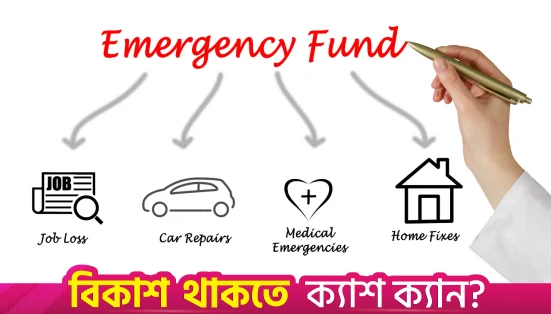
Emergency Cash Reserves
If you have a dedicated savings buffer for property expenses, you’re already ahead. Quick access means no delays waiting for lender approval or insurance processing. That speed matters when damage risks tenant safety or legal trouble.
Landlords typically build reserves equal to one to three months’ rental income per unit. It’s not a legal requirement, but many pros treat it like one. You avoid interest charges, and there’s no paperwork trail to manage.
Tapping into cash doesn’t affect your credit profile or add debt pressure. But if your reserves take a hit, set a clear plan to rebuild before the next surprise shows up.
Contractor Financing or Payment Plans
Some contractors now offer in-house financing or work with third-party lenders to spread repair costs. It’s more common in HVAC, plumbing, and electrical work, where materials and labor run high. You get the repair done fast without an upfront payment.
Terms vary widely. Some offer zero interest for short periods, while others build fees into monthly installments. Always check who holds the financing, whether the contractor or lender, and how repayment works if work isn’t completed on schedule.
Repairs paid in stages can ease pressure on your cash flow. This flexibility helps if you’re waiting on insurance or rent payments to land before covering the full cost.
Government or Local Authority Repair Grants
Local councils and housing agencies sometimes offer grants or low-interest loans to improve housing standards. These plans typically target urgent repairs that impact health or safety, like heating failures or structural hazards.
Access depends on location, property condition, and tenant eligibility. Grants may come with strings, like rent caps or inspection follow-ups, but they can fully or partially cover critical work. Timing matters since approval isn’t instant, and programs may pause if funds run dry.
Landlords with older properties or vulnerable tenants are likely to qualify first. However, keep updated on regional programs through your council’s housing department or landlord associations. Funds can disappear quickly once the fiscal year gets tight.
Peer-to-Peer or Private Short-Term Loans
Online lending platforms connect borrowers with individuals or private funds willing to issue quick loans. For landlords with limited credit access, peer-to-peer lenders can be a way around traditional banking delays. Terms are usually less rigid but come with higher rates.
Expect short repayment periods, often under 12 months. Loan approval generally depends more on property value or rental income than on personal credit scores. That flexibility can work in your favor during urgent repairs.
Most lenders approve loans within 24 to 48 hours. But always compare total cost, not just monthly payment, and review terms closely. Some platforms charge early repayment penalties or steep late fees.
Wrapping Up
Urgent repairs test your systems, not your nerves. You act fast, line up funds that suit the moment, and keep tenants safe while protecting cash flow. That discipline builds trust and keeps the property working for you.
Ideally, set rules for who gets paid first, price the money before you borrow, and move on to approvals. The next emergency meets a plan.