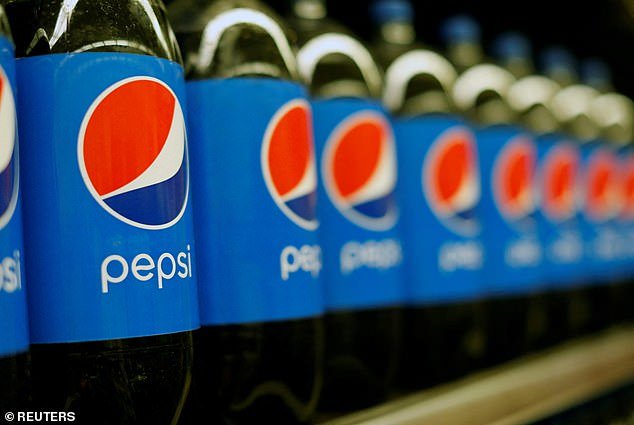
The activist investor that recently shook up struggling Southwest Airlines is now turning its sights on Pepsi— and plans to scrap products not selling well.
Elliott Investment Management has bought a $4 billion stake in the soda maker, making it one of Pepsi’s largest shareholders.
The hedge fund, which manages $76 billion, believes it can help return Pepsi to its former glory, when it nearly toppled Coca-Cola as America’s top soda in the 1980s.
Those days are long gone. Pepsi has slipped to No4 in US soda sales behind Dr Pepper and Sprite, according to Beverage Digest data.
It’s market value has dropped 25 percent, or $70 billion, since its peak in May 2023. As well as losing out to rivals, it has been hit hard by President Trump’s tariffs and a pullback in shopper spending.
Elliott has a history of aggressive moves. Last year, it bought a $2 billion stake in Southwest Airlines and blasted the carrier’s ‘outdated’ business model.
The firm pushed for a new CEO, staff cuts, and new fees for checked bags and assigned seating.
Now, Elliott is rolling out a similar playbook at Pepsi. Plans include copying a Coca-Cola move from 2017 that it says will boost profits and the stock price by more than 50 percent.

PepsiCo’s market value has dropped 25 percent, or $70 billion, since its peak in May 2023
Elliott told Pepsi’s board it wants the business to refranchise its bottling network, giving ownership to local and independent bottlers, according to a note seen by the Wall Street Journal.
Rival Coca-Cola did the same thing in 2017 and its share prices is brushing an all-time high with a market value of $300 billion.
Beyond bottling, Elliott is also pushing for a sweeping review of Pepsi’s massive portfolio, which includes Mountain Dew, Gatorade, Lay’s, Doritos, Quaker Oats, and newer acquisitions like Eva Longoria’s Siete Foods and the probiotic soda brand Poppi.
Any product that isn’t selling well could be on the chopping block.
Pepsi, meanwhile, has been spending heavily to win back consumers. The company has revived the iconic Pepsi Challenge — a marketing campaign that helped close the gap with Coca-Cola in the 1980s.
This time, pop-up taste tests across US cities pit Pepsi Zero Sugar against Coke Zero Sugar in blind trials.
Pepsi’s North American food and drinks business has seen sales fall every quarter since late 2022.
Wells Fargo analyst Chris Carey wrote in an investors note in June that a ‘major rethink’ of the business could lead to $800 million in savings.

Pepsi last year bought a healthy Mexican food brand Siete, which is backed by Desperate Housewives star Eva Longoria

PepsiCo’s CEO Ramon Laguarta said he is focusing on finding value for customers

PepsiCo will pay $1.2 billion for Siete. Its produtcts are sold across 40,000 retail stores in the US including Target and Whole Foods
Some Wall Street watchers told the Journal that Pepsi’s beverage business would do better as a standalone business.
Another activist investor, Trian Fund Management run by Nelson Peltz, tried to push for a spin out ten years prior.
Pepsi told the Journal that it would review Elliott’s suggestions and values input from its shareholders.
The company said it is confident in its strategy including targeted investments, portfolio changes and productivity initiatives, the Journal reported.
Pepsi’s CEO Ramon Laguarta told the publication he is focussing on finding value for customers and boosting product placements in retail stores.
Elliott also took a big stake in Starbucks last year and was instrumental in the coffee giant replacing its CEO with Brian Niccol.
Niccol has since been on a turnaround effort to lure coffee drinkers back to the chain by cutting wait times, simplifying menus and making cafes more comfortable.
However, the company has since posted its sixth straight quarter of declining sales.