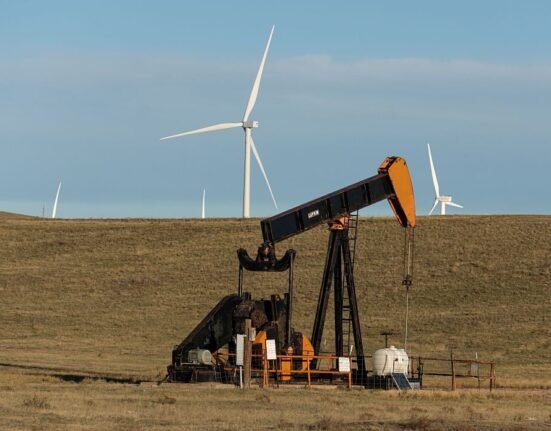
Research led by the University of Sussex has found that the rapid growth of renewable energy worldwide is being used to meet increased electricity demand, rather than replacing fossil fuels.
The study, published in Nature Reviews Clean Technology, points to energy-intensive artificial intelligence data centres and greater use of air conditioning in response to climate change as key factors putting pressure on the global energy grid.
Professor Felix Creutzig, Bennett Institute Chair at the University of Sussex, said: “Renewables are scaling at record speed, but demand growth from data centres, cooling and transport is running just as fast.
“We need policies that curb unnecessary energy use and shape demand so that clean electricity can have the intended effect of cutting emissions from fossil fuels.”
Researchers from Sussex and Central European University in Vienna found record growth in solar power during the first three quarters of 2025, with clean electricity outpacing global growth in electricity demand.
However, this progress is now under threat as electricity use continues to climb.
Despite swift expansion in wind and solar generation since the 2015 Paris Agreement, emissions from the power sector have kept rising due to even faster growth in demand.
The study identifies AI data centres, air conditioning, electric vehicles and larger consumer vehicles as major contributors to this trend.
Without demand management, most new renewable generation could be used just to keep up with rising consumption.
The authors argue that demand reduction doesn’t have to come at the expense of quality of life.
The report cites evidence from the European Union and major cities showing that efficiency measures and urban planning can cut demand while supporting economic growth and wellbeing.
This approach, they conclude, is now essential for meaningful decarbonisation.
The University of Sussex’s Bennett Institute for Innovation and Policy will host its annual Research Symposium on February 19, focused on these challenges.
Titled Zero Hour for Energy Policy: Researching the Race to Net Zero, the event will bring together experts to discuss urgent issues in climate policy and energy transition.
Attendance is free, but registration is required.