For years, policymakers reassured markets that the architecture of global energy security had grown stronger. Shipping routes were diversified. Strategic reserves were expanded. Renewable energy gained momentum. Major producers coordinated more closely to shield oil prices from geopolitical shocks. The system, many believed, had matured.
Yet the recent U.S.–Israel strikes on Iran have shaken that confidence to its core.
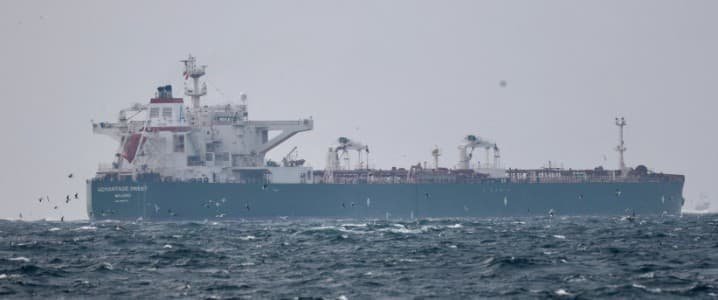
When tensions escalated around the Strait of Hormuz, the vulnerability of the global energy system was exposed with startling clarity. Iran has long threatened to disrupt traffic through this narrow maritime corridor — and even the credible risk of closure was enough to rattle markets worldwide. The Strait carries roughly a quarter of the world’s seaborne crude oil trade, along with vast volumes of liquefied natural gas and petroleum products. Any sustained disruption is not a regional issue; it is a systemic one.
The temporary halt in flows through Hormuz revived memories of the 1973 oil embargo, when Arab producers cut supplies to Western economies. But today’s energy map is far more interconnected. This time, the shockwaves extended well beyond Europe and North America, reaching deep into East Asia — including China, Japan, and South Korea — whose industrial economies depend heavily on Gulf exports.
Related: Trump’s Secret Weapon in the Rare Earth War
According to data from the U.S. Energy Information Administration, approximately 26 percent of global seaborne crude oil trade passes through the Strait of Hormuz — around 14 million barrels per day of crude and condensate, plus nearly 6 million barrels per day of petroleum products. The strait is also a vital artery for LNG, with more than 11 billion cubic feet per day transiting its waters. A prolonged disruption would strain both oil and gas markets simultaneously — a dangerous combination in an already fragile global economy.
Markets reacted swiftly. Reports of attacks targeting oil infrastructure in the Gulf — including facilities near Saudi Arabia’s Ras Tanura — pushed oil prices sharply higher within hours of trading. LNG prices also climbed. Even temporary production pauses, such as those affecting Qatari LNG output, signaled how quickly local military escalation can translate into global economic stress.
Political rhetoric on both sides suggests the crisis may not be brief. U.S. President Donald Trump has indicated that military operations could extend for weeks if necessary, while senior Iranian officials, including Ali Larijani, have publicly framed the confrontation as one the country is prepared to endure over the long term. In such an environment, supply shocks risk becoming structural rather than temporary.
But beyond the immediate volatility lies a deeper truth: the global energy security framework remains overly concentrated in a single geographic chokepoint.
Even if conflict subsides — whether through regime change in Tehran or diplomatic stabilization — the structural fragility remains. The world still relies heavily on narrow transit corridors and politically exposed infrastructure. Diversification of suppliers has advanced, but diversification of transit routes and physical security has lagged behind.
A redesigned energy order would require more than short-term crisis management. It would demand:
- Expanded transit corridors from the Gulf to Europe via pipeline networks through Iraq, Türkiye, Jordan, Syria, Egypt, through the Mediterranean ports.
- Alternative export routes to Asia, including subsea pipelines or overland connections through Pakistan and India.
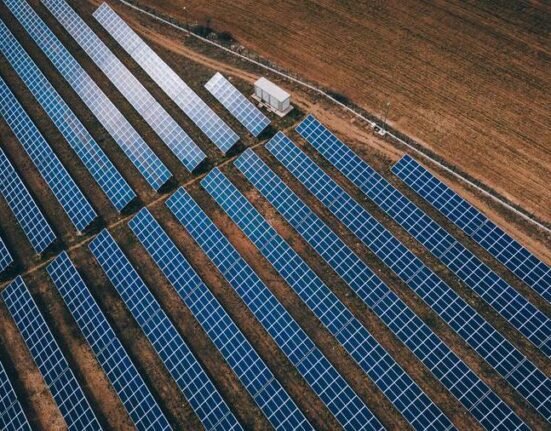
- Accelerated integration of renewables and regional grids, reducing dependence on maritime fossil fuel chokepoints.
- Enhanced protection of energy infrastructure, treating oil and gas facilities as neutral assets insulated from military escalation.
Such changes would not be simple. They would require coordination between rival blocs, sustained investment, and regional political stabilization.
Ultimately, durable energy security cannot be achieved through military deterrence alone. It rests on reducing the incentives and capabilities for disruption. That means strengthening state institutions, curbing non-state armed threats, and lowering sectarian and ethnic tensions that have fueled instability for decades.
Related: How China’s Rare Earth Ban Backfired into a U.S. Tech Breakthrough
Countries like Iraq, the Kurdistan Region, Syria, Jordan, and Türkiye — alongside a post-conflict Iran — could play pivotal stabilizing roles if integrated into a broader cooperative energy framework supported by both Western and Eastern powers.
The lesson of this crisis is stark: globalization made energy markets interconnected, but it did not make them resilient. The world built a system optimized for efficiency and price stability, not for geopolitical fracture.
Now, confronted with renewed conflict in the Gulf, the international community faces a choice. It can continue patching vulnerabilities as they emerge — or it can undertake the far more difficult task of redesigning global energy security for an era defined by rivalry, fragmentation, and climate transition.
The old rules no longer suffice.
By Shahriar Sheikhlar for Oilprice.com