Ofgem has announced the Energy Price Cap will be cut from April, with bills expected to drop

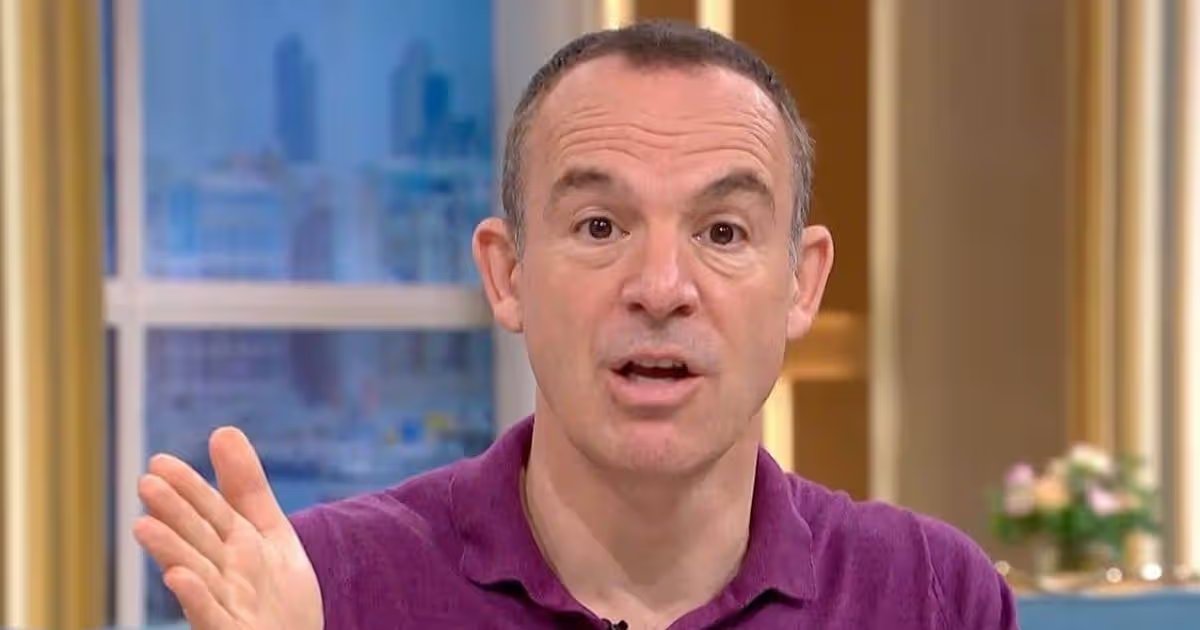
Martin Lewis urged people to understand what is coming(Image: ITV)
Households could be on the brink of a major change to their bills, with a reduction set to leave them better off. MoneySavingExpert founder Martin Lewis has suggested that “now could be the best time” to act to potentially save on energy costs.
This follows Ofgem, the UK’s energy regulator, confirming that the April price cap will drop by 6.7% from April 1 for a three-month period. However, Martin Lewis insisted “that’s only half the story” and said it is important for people to understand what this actually means for homeowners, as it could lead to substantial savings.
In an Instagram clip, he said: “All tariffs, even if you are already on a fix, will see the rate dropping in April. People on an existing fix, that price is going to come down, too.”
Martin claimed that 60% of UK households remain on the “bog standard” option – the standard variable tariff. This is determined by fluctuating wholesale prices for gas and electricity, governed by the Ofgem Energy Price Cap.
Consumers are typically on this rate if they took no action after their previous deal with their energy supplier expired. Martin cautioned that anyone paying this rate “should get off it” by switching to a better deal, and that the current moment could be an ideal opportunity to slash energy spending, reports the Express.
Martin outlined how gas and electricity rates will shift in the coming weeks, which should result in lower bills for most UK households.
- Electricity unit rate – coming down by about 10.9% per kilowatt hour
- Electricity standing charge – going up by 4.5% per day
- Gas unit rate – going down by 3.2%
- Gas standing charge – going down by 17%
He detailed: Martin said: “Overall, the biggest winners here are those who are high-using, electricity-only customers. But everyone should see a reduction in general, apart from the very lowest users, and even then, it will be trivial once you add up gas and electricity together.”
What is the Energy Price Cap?
The Energy Price Cap is determined by Ofgem (short for the Office of Gas and Electricity Markets). It restricts the maximum amount suppliers can charge per unit of gas and electricity (kWh) and establishes the maximum daily standing charge for default (standard variable) tariffs.
Its rulings affect households across England, Scotland and Wales. In Northern Ireland, the Utility Regulator oversees energy suppliers and sets the equivalent of the price cap.
The cap does not impose a maximum total bill, but instead a maximum rate, meaning consumers pay more when they use more energy. It was brought in during 2019 to protect consumers from soaring prices.
Martin added: “This time around, [people] need to understand that the main reason the Price Cap is dropping is the same as the reason we’re going to see other tariffs dropping on April 1. That is because there have been underlying changes to the policy costs of energy.
“Currently, there is an ECO scheme that ends in March, so that is coming off bills, and there is a renewable obligation that [we] pay for on bills, and 75% of that is being shifted from energy bills to the state, so general taxation or debt.
“Those policy amounts are coming off the bill, and because of that, that’s what is driving the Price Cap down. It also means that all other tariffs are coming down too. If you are on a fix, whether you fix today or on an existing fix, expect to see your rate drop by seven to nine per cent [from April 1].”
MoneySavingExpert suggested that now would be “a pretty good time to fix” for those needing to renew their energy bills. He pointed people to his Cheap Energy Club page on the Martin Lewis website to compare and find the most suitable deal based on household energy consumption.
In other utility news, Martin’s team previously suggested people make a “quick check” when it comes to their water bills. Seeing if homes are eligible for discounts could reduce bills by up to 50% in parts of the UK.
Ensure our latest headlines always appear at the top of your Google Search by making us a Preferred Source. Click here to activate or add us as your Preferred Source in your Google search settings.