Millions of Brits are battling soaring energy bills as the cost of living continues to bite
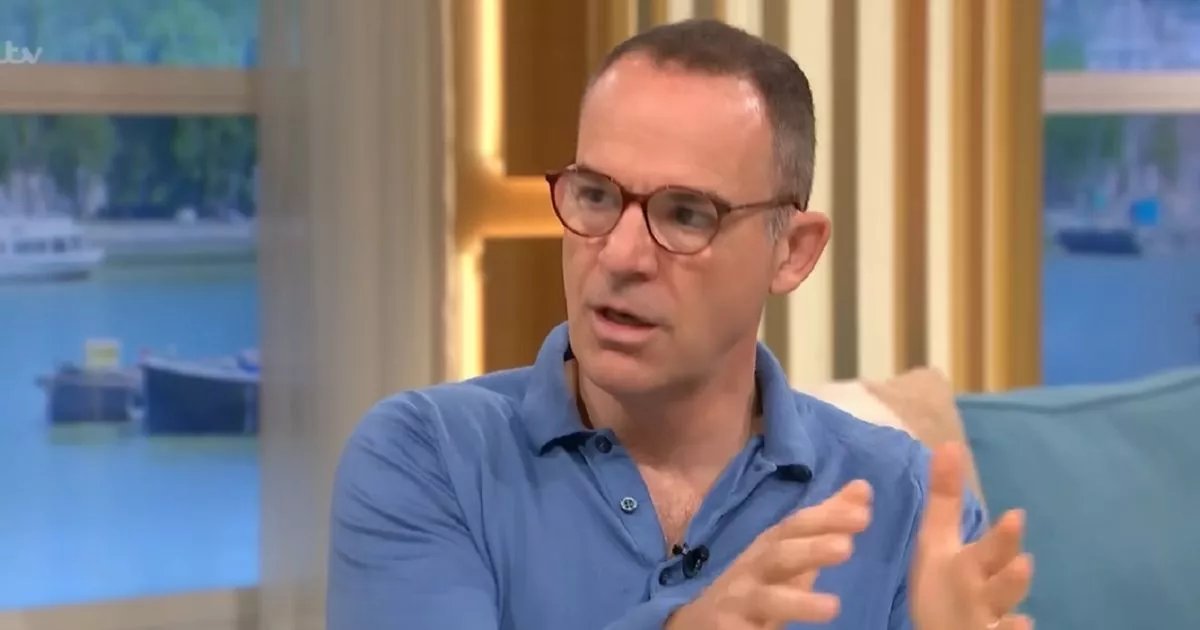
With the cost-of-living crisis continuing to tighten household budgets, finding ways to cut expenses wherever possible can prove hugely beneficial. Countless people turn to respected figures such as Martin Lewis for advice, as he consistently provides guidance through his Money Saving Expert (MSE) platform, social media accounts, BBC podcast and ITV’s The Martin Lewis Money Show Live.
As millions nationwide grapple with escalating energy costs following Ofgem’s price cap rise in October, with a further increase scheduled for next month, heeding budget-friendly recommendations can prove invaluable. One particularly straightforward suggestion he has previously championed reduces energy expenses by approximately 10 per cent.
This guidance was shared during his ITV programme several years ago, and despite energy costs remaining elevated, the recommendation remains relevant today and can assist property owners, reports the Mirror. The official Money Saving Expert website notes that his team confirms the segment was filmed in November 2022, emphasising that “the tips still work.”
The strategy centres on implementing a one degree Celsius ‘rule’ with your thermostat whenever feasible. Encouraging viewers to adopt his recommendation, he said at the time: “Take my one degree challenge.”
Detailing what the ‘challenge’ involves, he explained: “The World Health Organisation says 18 degrees is fine for healthy adults. Younger, older, or ill, you might need more… Most of you know it’s not for me to tell you what to do, but I’d like you to try reducing one degree.
“Say you’re at 21C, try reducing to 20C – that could save you around 10 per cent on the heating bill… When we’re talking about it, this isn’t scientific, but if you think about it, if your heating is only kicking in at 15 degrees, which it may well be, and you’re heating to 21C, only heating to 20C is actually a really significant saving. Don’t think 0C to 20C, think 15C to 20C, to get it in your head.”
He further advised: “And another thing, who, when it gets cold, turns the thermostat up in the house? Look, your thermostat will get you up to the temperature you want. This is a panic reaction – ‘it’s cold, I’m going to turn it up more’. The thermostat dictates what the temperature is. Don’t turn it up, just wait for it to get to the heat and then you won’t need to pay too much more.”
What’s the verdict from the MSE team?
Turning down your thermostat by just one degree can help you save money, possibly cutting your energy bill by as much as 10%. This happens because when you lower the temperature, your heating system doesn’t have to work as hard to maintain the desired temperature in your house. The savings can really add up over a year, but how much you save will depend on factors such as the size of your home, its insulation quality, and your energy usage.
The MSE team suggests that adhering to this ‘rule’ is ‘one of the easiest’ tips they can provide. The Energy Saving Trust indicates that dropping the temperature by one degree could save approximately £90 annually for an average home.
The site clarifies: “Many have their thermostats set in the 20s. And while cutting from, say, 21C to 20C doesn’t sound much, it may reduce your heating bill by £90 a year. As a ‘way to think of it’ concept (not science), imagine your home was already at 13C, dropping the difference between that and what it’s warmed to by one degree will make up a big chunk of that.
“There’s also no need to turn up the temperature when it’s colder outside. The thermostat’s job is to heat the home to the set temperature, it just may take longer in colder weather.”
What temperature should your home be set to?
The World Health Organisation (WHO) suggests that healthy adults in cooler climates maintain a minimum indoor temperature of 18C, particularly throughout the winter months. For those who are more susceptible to the cold, including youngsters, pensioners, or individuals with medical conditions, a minimum of 20C is advised.