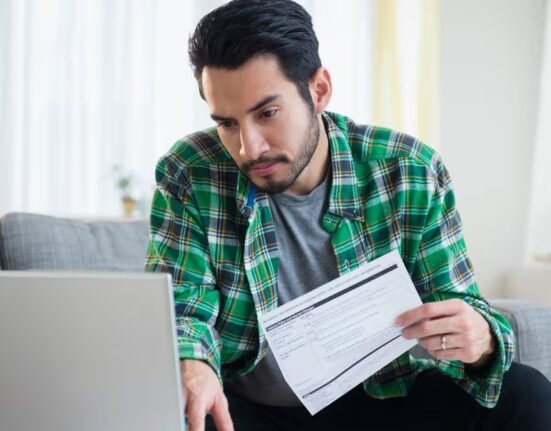
A recent report by PowerLines, a nonpartisan consumer education nonprofit, shows that energy costs have outpaced inflation in recent years, rising 30% for electricity since 2021 and 40% for gas since 2019, putting undue stress on individuals already struggling to provide for basic needs of food, education and healthcare for their families. While the affordability conversation generally focuses on housing and food, many households have begun skipping or delaying utility bill payments due to financial constraints.
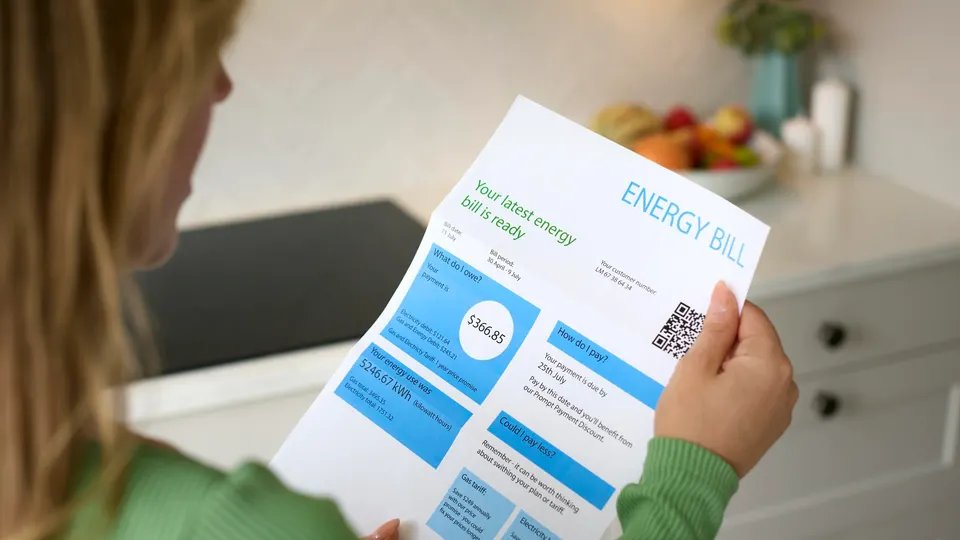
Close Up Of Woman Opening American Dollar Energy Bill During Cost Of Living Crisis
getty
Winter is upon us, and recent weather events over the last month have burdened much of the United States, bringing some of the coldest weather the world has seen so far to the Midwest and Eastern regions. Preparation is key to staying warm during cold weather events and to reducing costs related to heating homes in extreme temperatures.
Cold weather energy-saving tips include making sure your heating system is well maintained, your fireplace is clean and inspected regularly, and preparing yourself personally from the way you dress with layers and certain fabrics like wool to keeping an emergency kit at the ready and only venturing out when necessary during a storm. Being smart will help you manage cold weather from multiple angles.
Help For Energy Insecurity Is Available
Unfortunately, many individuals and families are in circumstances where they will choose to skip meals or costly medication in favor of providing heat and warmth for their families. Most people don’t think of this as an issue, yet a quarter of U.S. households or more experience challenges paying for utilities, especially during the winter months.
For those who struggle with energy insecurity, there are usually other socioeconomic factors at play that affect our most vulnerable populations. Our seniors, low-income citizens and single-parent households experience the hardships of cold winters in ways other demographic groups may not. Some of the significant challenges include respiratory and cardiovascular issues along with mental health obstacles.
What can be done to help those in need? While in the long term, policy changes will have the most significant effect and drive the greatest change, in the short term there are two programs that can help those in need. The LIHEAP and WAP programs help pay for heating, cooling and home weatherization. Both are federally funded programs run by the Department of Health and Human Services and the Department of Energy, respectively. Many people are unaware that these programs exist or think they may not qualify, so they don’t take advantage of them.
Program eligibility will vary by state and utility program. Consideration is based on gross household income which should generally be at 150% of the Federal Poverty Level or 80% of Area Median Income and household size. The best way to determine one’s eligibility is to check with the local gas or electric company to complete the application process.
There are also energy assistance programs to assist with Weatherization support through the Department of Energy. This is a great opportunity, especially for seniors, to upgrade aspects of older homes thereby reducing their energy costs.
Awareness of programs to alleviate energy insecurity is key. Encouraging those you know who may be in need to apply is an essential first step in supporting your community members.