The energy regulator Ofgem has already confirmed the consumer price cap will drop by around 7% from April, bringing the typical annual bill to roughly £1,641.
But experts say escalating conflict involving Iran could drive up wholesale energy prices in the coming months, potentially feeding into the next price cap adjustment in July.
Greg Marsh, chief executive of the bill-management platform Nous.co , said the global situation was already starting to affect the UK energy market.
“The impact of escalating tensions in the Middle East is already being felt in the UK energy market,” he said.
“Major suppliers like British Gas and E.ON have pulled fixed energy deals from the market, leaving fewer opportunities for households to save money.”
He said that while bills will fall in April, sustained wholesale price increases could push prices higher later in the year.
“The cap is based on wholesale costs from the preceding months, so sustained price rises now could push bills higher later in the year.”
Suppliers tighten fixed tariff rules
Some energy firms have already started adjusting their tariffs in response to volatile wholesale markets.
Octopus Energy confirmed it has introduced temporary exit fees for customers taking out new fixed deals, reflecting the rising cost of buying energy in advance.
An Octopus Energy spokesperson said: “We are still offering fixed tariffs and will continue to do so for as long as we can, despite the extremely challenging situation in the Middle East.
“There is no shortage of energy supply.
“However, wholesale energy prices have risen considerably this week, and we can no longer absorb the full cost of the energy we buy in advance for new fixed-tariff customers if they choose to leave us during the period of the fix.”
Unlike most co’s, Octopus rarely has exit fees.
We are introducing now only for *new* fixed tariffs
This is because when you buy a fixed tariff now we are buying a year’s worth of energy for you, in a very challenging market. Other co’s aren’t offering fixed tariffs at all.
1/n https://t.co/AHXzQN03ZD— Greg Jackson (@g__j) March 5, 2026
They added that exit fees would apply only to customers signing up to new fixed tariffs, noting that most suppliers charge exit fees as standard.
“Like during the pandemic and the last energy crisis, Octopus will continue to keep prices as low as possible for our customers, even if that means sacrificing profits.”
Energy supply remains secure, Miliband says
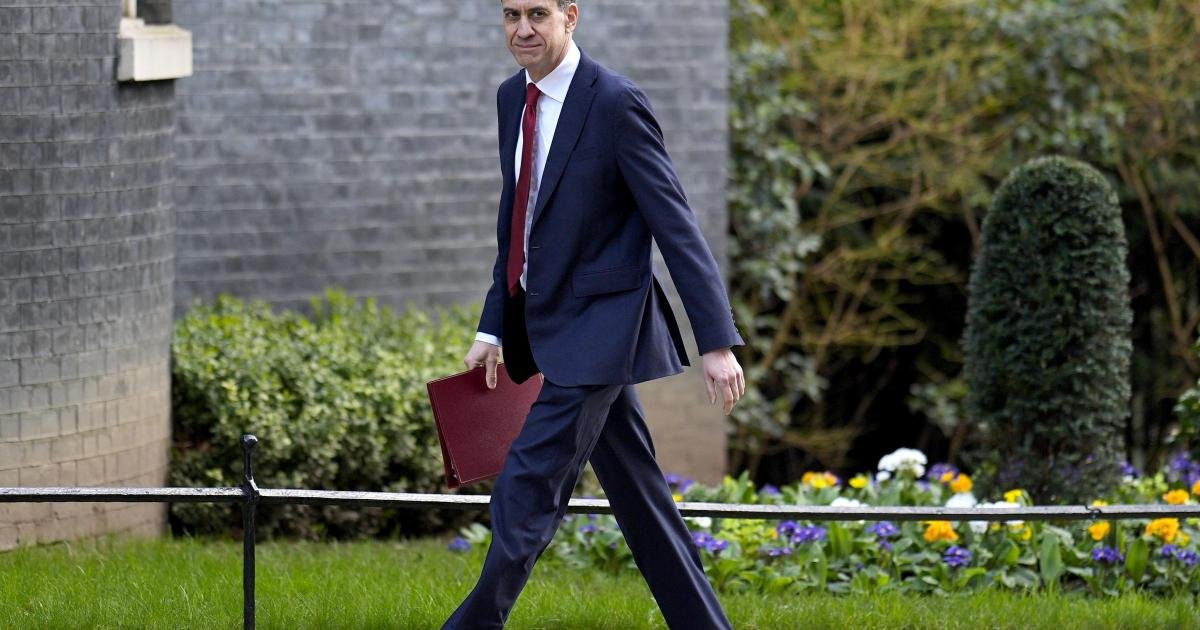
Despite the market volatility, Ed Miliband said the UK’s overall energy supply remains secure.
Speaking in the House of Commons, he said the Government had spoken with energy network operators and received reassurances about gas supplies.
“I’ve been in touch with National Gas and Neso, who are confident about our security of supply,” he told MPs.
No if you’re on a fixed rate, it’ll get cheaper on 1 April… https://t.co/yD1Ot4BBoU https://t.co/cGmjyrFPh9
— Martin Lewis (@MartinSLewis) March 4, 2026
The warning about rising wholesale prices comes as attacks around the Strait of Hormuz have reduced shipping through the vital energy corridor.
Around one fifth of global oil and liquefied natural gas (LNG) passes through the Strait, making it one of the most important energy routes in the world.
Miliband said the UK also holds emergency commercial oil stocks and would work with the International Energy Agency if necessary to stabilise markets.
Recommended reading:
Political row over North Sea production
The situation has also reignited debate over domestic oil and gas production.
Miliband defended the Government’s decision not to grant new exploration licences in the North Sea, arguing they would not significantly reduce household energy bills.
He said it typically takes around 10 years from exploration to production, meaning new licences would not help in the short term.
Instead, he said expanding renewable energy would help protect the UK from future fossil fuel price shocks.