
Highlights:
- Energy crisis destabilising inflation, fiscal balance & investment
- February inflation hit 9.13%, with food prices rising to 9.30%
- Stagnant 8.06% wage growth eroding household purchasing power
- NBR missed February targets by over Tk11,000 crore
- Govt to choose between depleting reserves or fuelling inflation
- Rising energy costs, weak RMG exports offset strong remittance gains
- GED calls for energy efficiency and rationalised subsidies to stabilise economy
Bangladesh’s economy is facing mounting challenges as a persistent energy crisis impacts multiple macroeconomic fronts, including inflation, fiscal balance, and investment dynamics, according to a report by the General Economics Division (GED) of the Planning Commission.
The “Economic Update & Outlook (March 2026)” report, released today (9 April), highlights that while strong remittance inflows and recent gains in foreign exchange reserves have provided short-term relief, high global energy prices risk reversing these gains by inflating import bills and widening the trade deficit.

The General Economics Division underscores that policymakers are now forced to navigate difficult trade-offs.
Consumers shielded at cost
Maintaining exchange rate stability could deplete foreign exchange reserves, while allowing currency depreciation may further fuel inflation.
Similarly, while energy subsidies shield consumers, they increase fiscal pressure; conversely, price adjustments to curb demand could contribute to higher inflation.
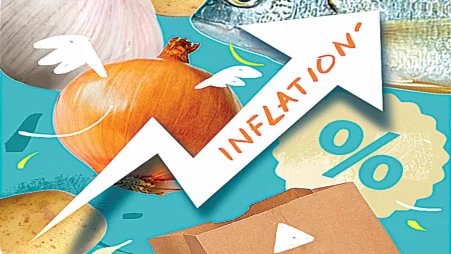
Meanwhile, the report says that inflation in Bangladesh accelerated to 9.13% in February, up from 8.58% in January, driven largely by food prices.
Food inflation climbed to 9.30%, surpassing non-food inflation for the first time in recent months.
Vegetables emerged as the single largest contributor to food inflation, followed by fish and fruits. While rice prices eased due to imports and seasonal harvests, the overall inflationary pressure remained high due to rising costs of perishable goods and energy-driven transportation and production expenses.
Inflation Vs wages
The report also pointed to a widening gap between inflation and wages. Wage growth remained stagnant at 8.06% in February, intensifying pressure on the real incomes of low-income households and potentially dampening consumption in the coming months as this continued mismatch between income growth and rising living costs is eroding purchasing power.
On the fiscal front, revenue collection by the National Board of Revenue (NBR) fell short of expectations.
Actual collection in February stood at Tk30,559 crore against a revised target of Tk42,051 crore, leaving a shortfall of over Tk11,000 crore.
Although revenue posted an 8.15% year-on-year growth, it declined sharply compared to January, indicating a slowdown in monthly revenue mobilisation amid ongoing economic challenges, the report added.
Additionally, the implementation of the Annual Development Programme (ADP) has slowed compared to the previous fiscal, hindered by persistent bottlenecks in project approval, procurement, and fund disbursement.
The external sector showed mixed trends.
Foreign exchange reserves improved to over $35 billion in February, supported by monthly remittance inflows exceeding $3 billion.
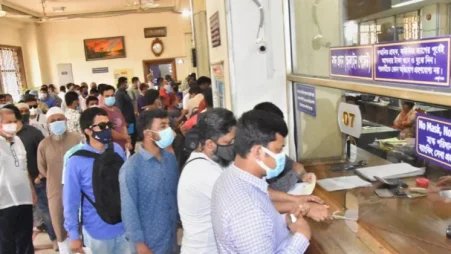
However, export earnings, particularly in the readymade garments (RMG) sector, showed signs of weakening due to softer global demand and rising production costs.
Furthermore, rising energy import costs are increasing pressure on the balance of payments. Import payments continue to grow, driven by fuel and non-capital goods, while capital machinery imports remain subdued, indicating weak investment momentum.
The GED report warns that the ongoing global energy crisis is expected to sustain inflationary pressures and increase the fiscal burden through subsidies.
It suggests that policymakers will need to strike a careful balance between maintaining exchange rate stability and preserving foreign exchange reserves, while also managing inflation and supporting growth.
While strong remittance inflows and improved reserves provide some short-term stability, the overall outlook remains cautious.
Persistent inflation, weak real income growth, and rising external pressures underscore the need for coordinated policy measures to stabilise the economy.

Against this backdrop, many countries are adopting a combination of market-based pricing, targeted subsidies, and energy diversification strategies to manage similar shocks.
For Bangladesh, according to the GED, the external sector outlook remains cautiously vulnerable, with stability hinging on effective coordination of fiscal, monetary, and external policies, as well as developments in global energy markets.
The report emphasises that policy priorities should focus on improving energy efficiency, rationalising energy pricing through targeted subsidies, and strengthening external sector management to contain inflationary pressures and balance of payments risks.