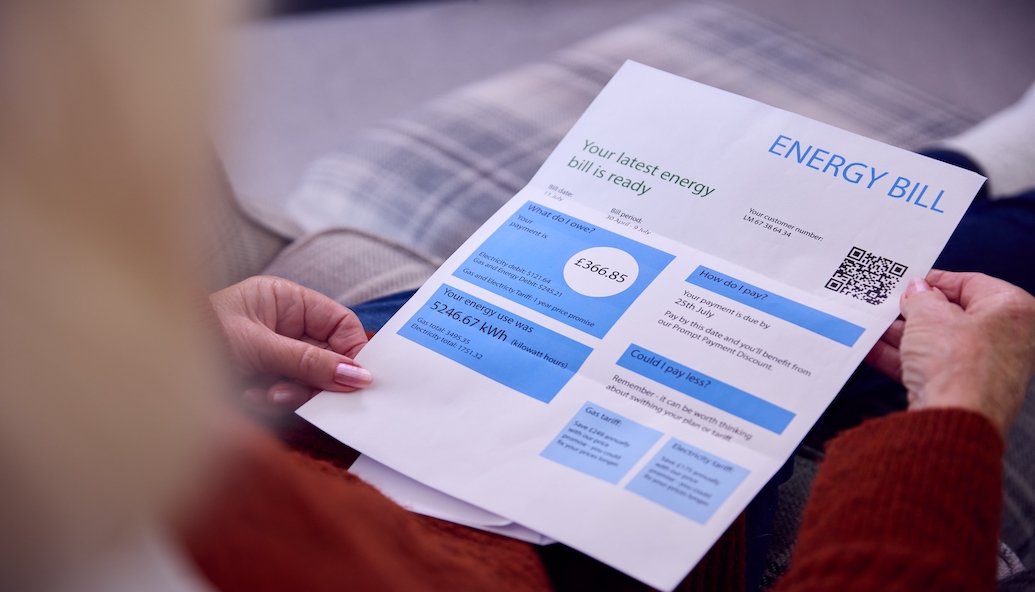
Energy bills are expected to increase by £288 this July for dual fuel households as a result of the Middle East conflict.
That’s according to latest forecast from Cornwall Insight, which reveals an 18% rise on the April 2026 level of £1,641.
Wholesale gas prices surged after the Middle East conflict disrupted tankers moving through the Strait of Hormuz, a major route for global liquefied natural gas (LNG) and damaged key oil and gas facilities in the Gulf.
Analysts suggest a higher price cap in July is “effectively unavoidable” unless wholesale prices fall below pre-conflict levels, which look unlikely given the scale of disruption and the uncertain timeline for repairing key infrastructure in the region.
Dr Craig Lowrey, Principal Consultant at Cornwall Insight said: “Over a month into the Middle East conflict, energy markets are experiencing the kind of volatility not seen since 2022. While prices may have calmed a little over the past few days, prior to the conflict our forecasts pointed to a relatively stable price cap through the summer, now we are forecasting rises of 18%.
“With Ofgem’s price cap announcement just weeks away, infrastructure damage and continued disruption to marine traffic through the Strait of Hormuz are limiting the potential for any meaningful wholesale price fall. As a result, some of the increase is already effectively baked in. A rise in July is pretty much unavoidable, but how high prices go remains to be seen.
“There is some relief in the timing, summer is when energy demand is at its lowest, which should soften the impact on household energy expenditure. If higher wholesale prices continue, it will be the effects on the October cap that have the most impact and that is when the question of government support for households is likely to be revisited.”
He adds reducing dependence on the wholesale gas market is the “fundamental solution” to long term energy price stability.
Following a reduction in Ofgem’s price cap starting today, the annual energy bill for a typical household has fallen by £117 – until 30th June 2026.
That brings the average annual bill for households on standard variable tariffs to £1,641 – down from £1,758.
A spokesperson from Ofgem said: “From 1 April, energy bills are coming down by around 7% for millions of households as a lower price cap comes into effect. The price cap limits how much suppliers can charge customers per unit and standing charge on standard variable tariffs and will provide welcome stability to households on the price cap over the coming months.
“This reduction is driven by government decisions to remove certain policy costs from bills. Customers on fixed deals already have certainty over what they’re paying, and those on standard variable tariffs remain protected by the price cap, which is set until the end of June.”
However, the spokesperson added while many households are concerned about the impact of the Middle East conflict on energy bills, the regulator “can’t control global markets” but the price cap will ensure prices will fall in the short term.
The spokesperson stated: “We’re closely monitoring the impacts the conflict may have in the longer term and consumer protection remains our absolute priority.”
Copyright © 2026 Energy Live News LtdELN