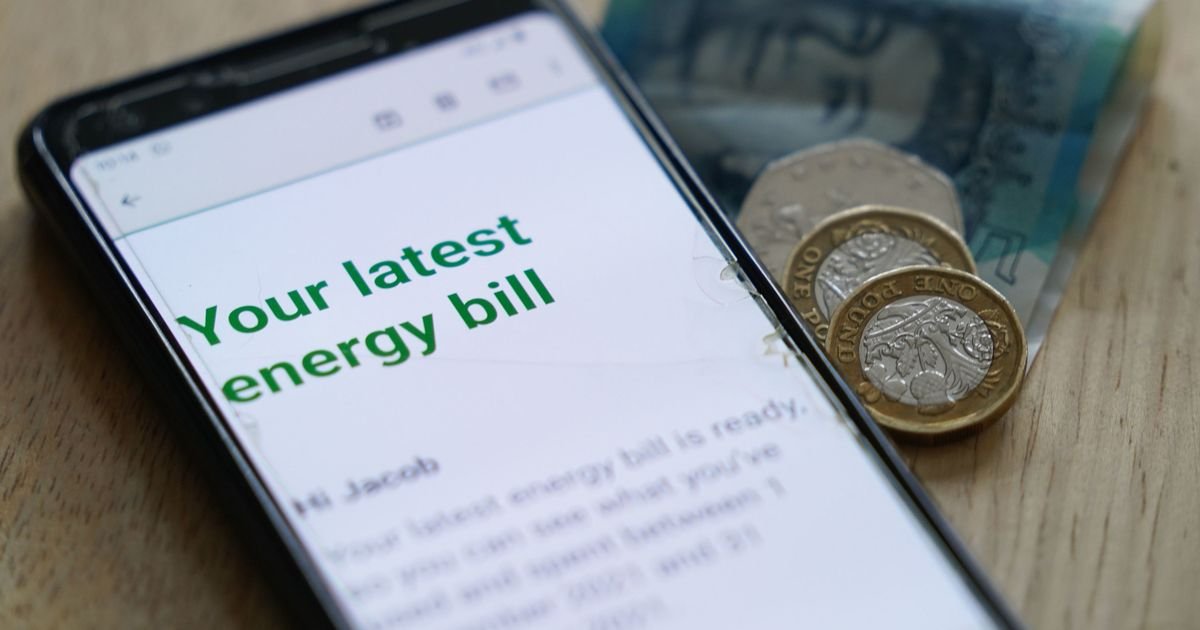
The latest forecast from Cornwall Insight also indicates a rise is on the way in April.
7 things you should do before turning the heating on
Household energy bills are expected to drop slightly in January, according to new forecasts. Experts at Cornwall Insight have said energy regulator Ofgem’s price cap is expected to dip by one per cent when its next update takes effect.
It would result in a £22 decrease to an average energy bill of £1,733 a year for a typical household from January 1. However, analysts at the specialist consultancy said they expect the price cap to increase again from the start of April.
Ofgem changes the price cap for households every three months by setting a maximum price energy suppliers can charge people in Scotland, England and Wales for each kilowatt hour of energy they use.
READ MORE: People with energy bill debt urged to apply for cash help of up to £1,700READ MORE: People over State Pension age due up to £305 heating payment from this week
However, it’s crucial to remember the price cap does not limit a household’s total energy bills – people still pay for each unit of gas and electricity they use which means the more you use, the higher the bill and the less you use, the lower the costs.
Craig Lowrey, principal consultant at Cornwall Insight, said: “January’s price cap dip might look like good news but it’s only part of the picture.
“Bills are still well above pre-crisis levels and are set to climb again in April, and this time it’s not higher wholesale prices driving the rise.”
The predicted fall in the price cap in January has been linked to a slight drop in wholesale energy prices. It would also come despite the expected introduction of the Nuclear Regulated Asset Base (RAB) levy to help fund the next generation of new nuclear power stations, which is expected to add around £10 a year to bills.
Cornwall Insight suggested April’s price cap is likely to rise by around £75 a year for an average household, based on its most recent estimates.
It said this would be “largely due to rising charges associated with the operation and maintenance of the country’s energy networks, specifically electricity transmission and gas distribution charges”.
Mr Lowrey added: “The shift to renewables will bring long-term stability and energy independence, but it’s not free.
“The upfront costs are real, and they’re landing on bills now.
“The challenge will be balancing short-term affordability with long-term resilience, and crucially making sure people understand why that trade-off matters.”
Energy bill help this winter
Now is the perfect time to make sure you’re not missing out on extra help with higher heating costs this winter through the Warm Home Discount Scheme.
Eligibility for the scheme expanded this year and will see more than 6 million homes receive £150 credit on their electricity account.
Below is everything you need to know about it, the suppliers offering the rebate and eligibility criteria.
Warm Home Discount qualifying benefits
People in England and Wales will qualify for the Warm Home Discount this winter if they are receiving one of the following means-tested benefits and are named on the electricity bill, either in their own name, that of their partner, or their legal representative.
- Housing Benefit
- Income-related Employment and Support Allowance (ESA)
- Income-based Jobseeker’s Allowance (JSA)
- Income Support
- Pension Credit (Guarantee Credit and Savings Credit)
- Universal Credit
For older people in Scotland in receipt of Pension Credit Guarantee Credit and are named on your electricity bill (or your partner or legal representative is), DWP guidance states “you will likely receive the Warm Home Discount automatically”.
Scottish households in receipt of other means-tested benefits will need to apply for the discount directly from their supplier once they open for applications.
Energy suppliers
The following suppliers are part of the scheme:
- 100Green (formerly Green Energy UK or GEUK)
- Affect Energy – see Octopus Energy
- Boost
- British Gas
- Bulb Energy – see Octopus Energy
- Co-op Energy – see Octopus Energy
- E – also known as E (Gas and Electricity)
- Ecotricity
- E.ON Next
- EDF
- Fuse Energy
- Good Energy
- Home Energy
- London Power
- Octopus Energy
- Outfox Energy
- OVO
- Sainsbury’s Energy
- Scottish Gas – see British Gas
- ScottishPower
- Shell Energy Retail
- So Energy
- Square 1 Energy Ltd
- Tomato Energy – no longer trading, but you may still qualify
- TruEnergy
- Tulo Energy
- Utilita
- Utility Warehouse
If your supplier is no longer trading
If the electricity supplier you were with stops trading, you may still be eligible for a Warm Home Discount. Ofgem will appoint your new supplier for you.
Full details on the Warm Home Discount Scheme can be found on GOV.UK.