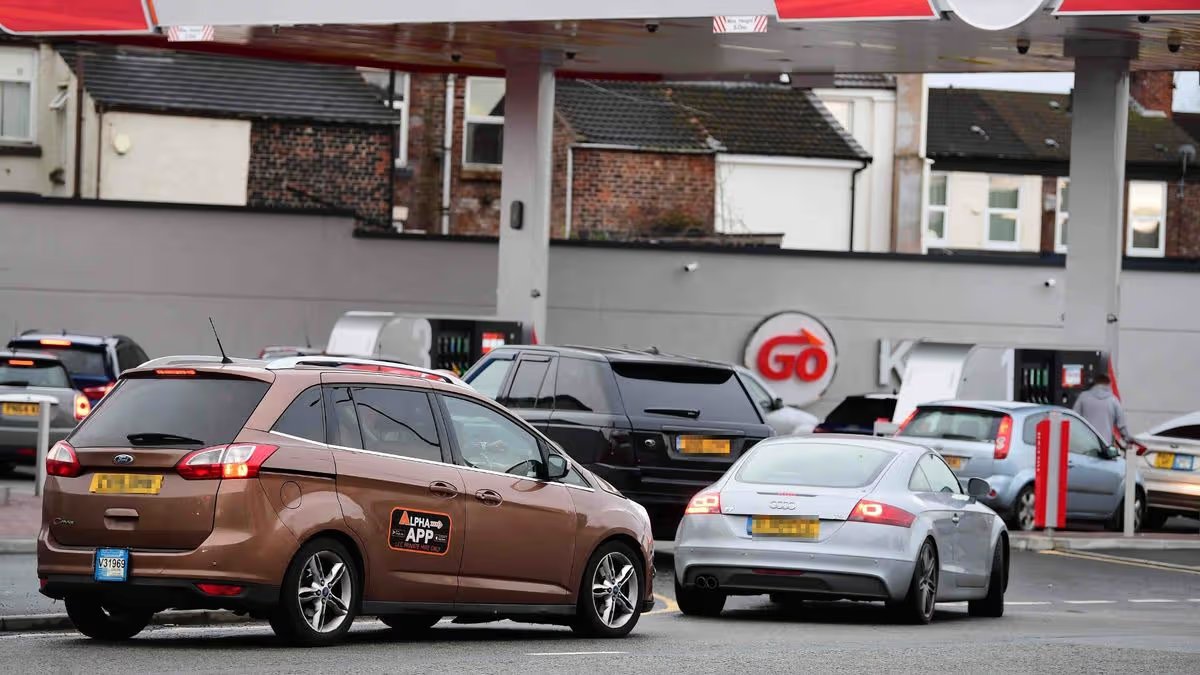
The effects of ‘Trumpflation’ are starting to bite the world economy, leading the Independent Energy Agency to issue a 10-step guide for drivers to preserve oil stocks
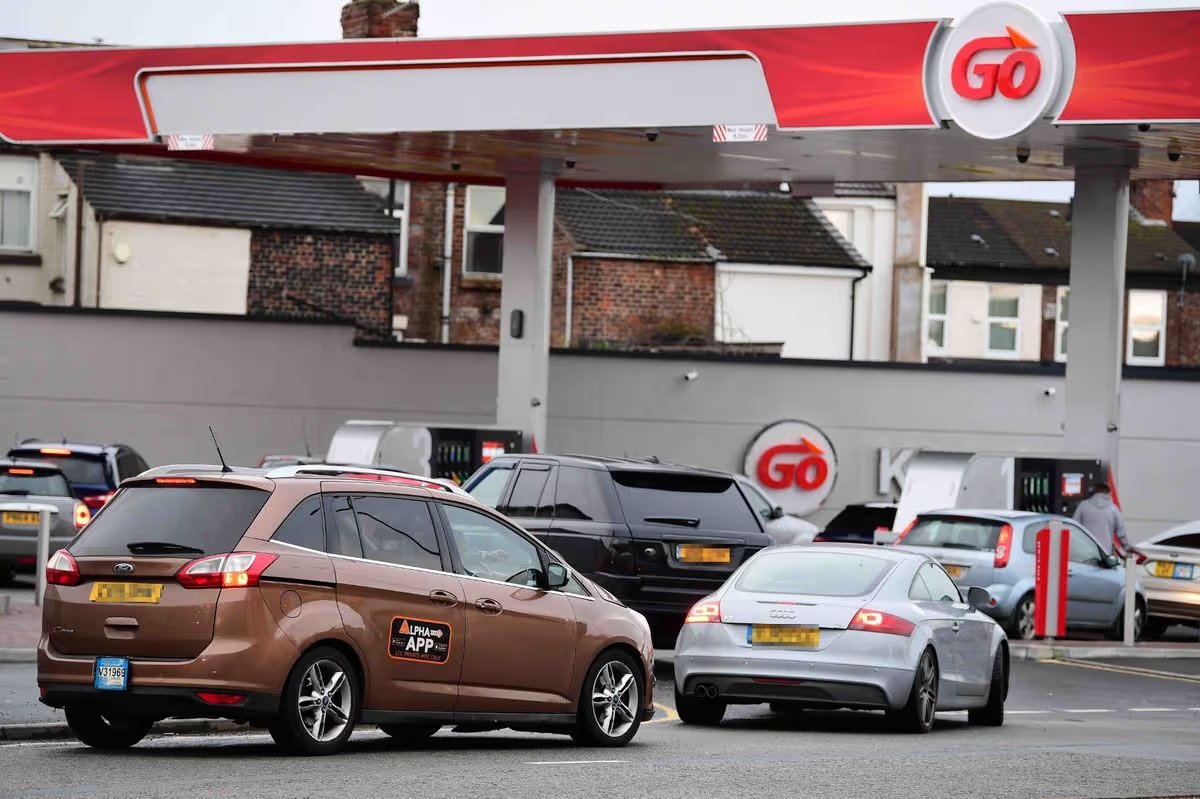
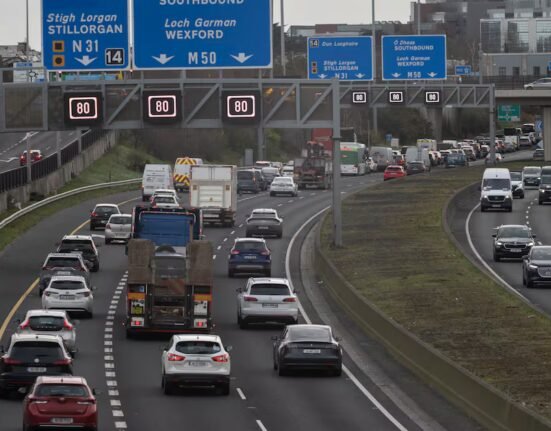
Brits have been issued warnings after oil prices surged(Image: Liverpool echo)
Brits have been warned to work from home and drive slower as the energy crisis caused by the conflict in the Middle East snowballs into a full-blown economic crisis.
The price of oil has surged across the world after the US war prompted Iran to focus fire on the Strait of Hormuz, a vital traffic artery for the world’s oil transportation. The bill for a typical dual fuel consumer is set to surge to £1,973 per year in July, when the next review of the energy cap is due, and petrol prices have hit 142.62p per litre.
Unleaded petrol hit 162.66p per litre, leading the International Energy Agency (IEA) uring people to take “immediate actions to reduce demand”.
READ MORE: Airlines making plans for jet fuel shortages – including possible cancellationsREAD MORE: Energy bills to surge to nearly £2,000 a year due to Iran war
The IEA has released a set of 10 recommendations for Brits living across the UK, including governments, businesses and households, that they can take to “alleviate the economic impacts on consumers of the disruptions to oil markets stemming from the war in the Middle East”.
Those recommendations include working from home “where possible”, encouraging public over private travel, and avoiding air travel “where alternative options exist”.
They are in full:
1. Work from home where possible
Displaces oil use from commuting, particularly where jobs are suitable for remote work.
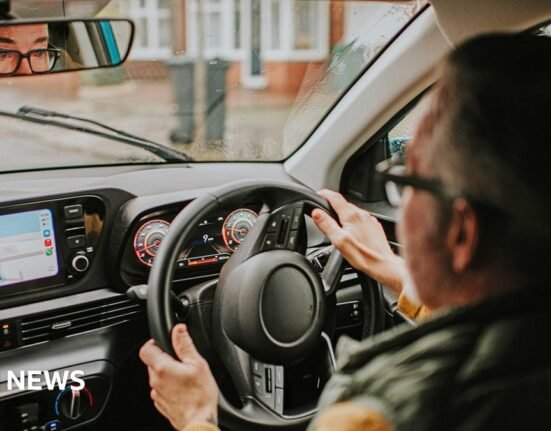
2. Reduce highway speed limits by at least 10 km/h
Lower speeds reduce fuel use for passenger cars, vans and trucks.
3. Encourage public transport
A shift from private cars to buses and trains can quickly reduce oil demand.
4. Alternate private car access to roads in large cities on different days
Number-plate rotation schemes can reduce congestion and fuel-intensive driving.
5. Increase car sharing and adopt efficient driving practices
Higher car occupancy and eco-driving can lower fuel consumption quickly.
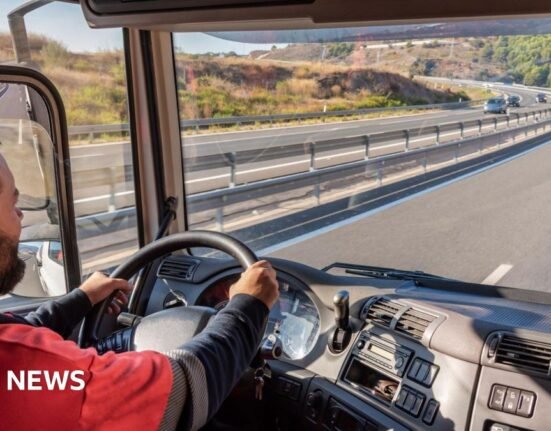
6. Efficient driving for road commercial vehicles and delivery of goods
Better driving practices, vehicle maintenance and load optimisation can cut diesel use.
7. Divert LPG use from transport
Shifting bi-fuel and converted vehicles from LPG to gasoline can preserve LPG for cooking and other essential needs.
8. Avoid air travel where alternative options exist
Reducing business flights can quickly ease pressure on jet fuel markets.
9. Where possible, switch to other modern cooking solutions
Encouraging electric cooking and other modern options can reduce reliance on LPG.
10. Leverage flexibility with petrochemical feedstocks and implement short-term efficiency and maintenance measures
Industry can help free up LPG for essential uses while reducing oil consumption through quick operational improvements.
The IEA warned that the most “essential” way to restore global energy markets is to restore “transit through the Strait of Hormuz”, with Fatih Birol, the organisation’s executive director, stating that the global oil market is currently facing the “largest supply disruption” in its history.
He said: “In the absence of a swift resolution, the impacts on energy markets and economies are set to become more and more severe.
“As the global energy authority, the IEA is doing everything we can to support the stability of energy markets. We have recently launched the largest ever release of IEA emergency oil stocks – and I am in close contact with key governments around the world, including major energy producers and consumers, as part of our international energy diplomacy.”