The UK’s largest energy and home services provider has shared an update for customers
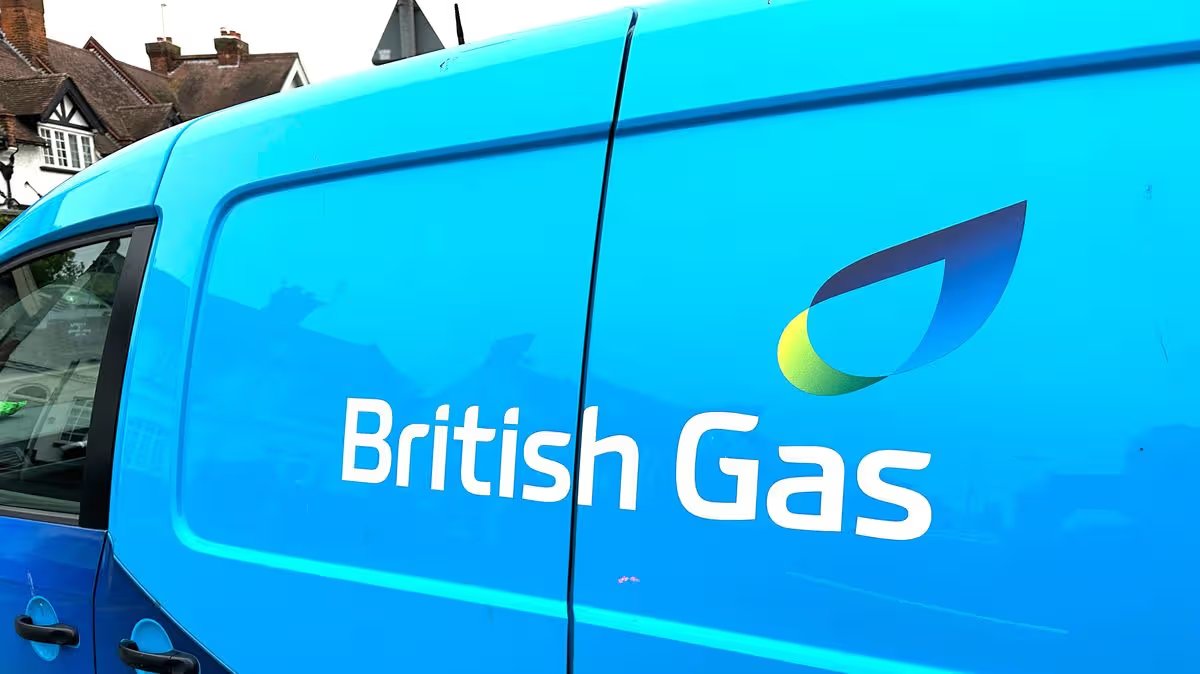
British Gas answered questions about UK energy prices (Image: Getty)
British Gas has issued an update for customers amid the Iran war ‘energy crisis.’ The energy supplier broke down how UK bill payers could be affected by market changes in a YouTube video. The head of pricing at British Gas answered questions for customers in the post, which was titled: “Iran war and UK energy prices – current impact and what it means for energy bills.”
Introducing the video, British Gas told customers: “Find out how the Iran war is affecting UK energy bills, what changes to tariffs and prices could mean for your household, and practical steps to stay in control.”
In the ‘energy update’, the British Gas employee answered questions about whether energy prices are going up and whether the UK is at risk of running out of gas. Discussing the ‘energy crisis’, the pricing expert said: “Hi, I’m Simon, head of pricing at British Gas. Today, I’m going to be answering customer questions about the energy market.”
Answering the first question, Simon said: “Are energy prices going up because of global events? Your prices will remain the same until the end of June.
“We may see prices rise on the first of July as events in the Middle East are causing rises in global energy markets, which is where energy companies buy their gas and electricity. Wholesale prices make up roughly half your bill. So, spikes in the market can have impacts on the prices you pay.”
He was then asked: “Is the UK at risk of running out of gas?” Simon replied: “No, this isn’t something to worry about. The UK has a wide range of supply sources, including North Sea production, renewables, and imports of liquefied natural gas.
“We secure reliable gas from a number of sources, so there’s plenty available when it is needed. Our rough storage facility, the UK’s largest, provides 50% of the UK’s gas storage. We’ve also secured long-term international supply agreements, so there is gas for years to come.”
Moving on, Simon was asked if renewables or nuclear were the answer to long-term price stability. “Renewables and nuclear both play an important part in the UK’s energy mix,” he said. “They also help reduce our reliance on volatile global energy markets.
“We’re investing for the long term. This includes supporting existing nuclear power stations and investing in new ones. For example, Sizewell C nuclear power station.”
The next question for Simon read: “Should I switch to a fixed tariff?” He answered: “Fixing can save you money if energy prices rise and give you certainty of what you’ll be paying over the next year. On the other hand, a tracker tariff can be cheaper if prices fall. There’s often no right answer. It all depends on how much certainty you want.”
Finally, the last question asked: “How can I reduce my energy bills immediately?” The expert said: “There are all sorts of ways to save energy around the home, from choosing shorter cycles on appliances to turning off electronics at the mains when you’re not using them.
“We have a lot of advice here and on the website to help people save. And if you’re with British Gas, you can sign up for PeakSave for half-price electricity on Sundays. There are also some bigger ways to save energy, such as getting smart controls for your heating, buying energy-efficient appliances, or buying solar panels for your home.”