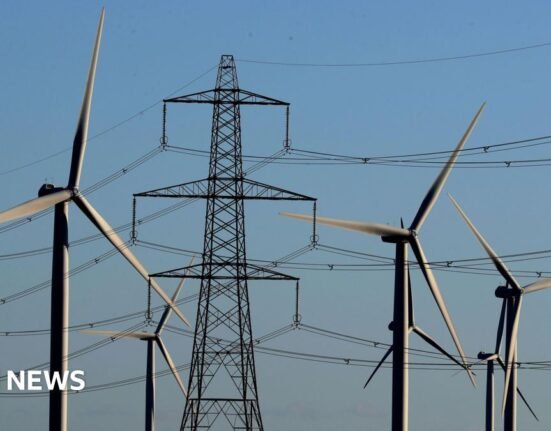
A warning has come from the Resolution Foundation

Approximately 40% of households are now on fixed-rate tariffs(Image: SimpleImages via Getty Images)
Families are bracing for another cost-of-living setback, as energy bills could soar by up to £500 annually in the coming months.
A stark alert from the Resolution Foundation warns that Britain may be on the verge of another energy price crisis, fuelled by international turmoil and escalating fuel expenses. The think tank highlighted that sustained increases in gas markets could force Ofgem’s price cap significantly upwards from July – erasing recent gains and heaping fresh financial strain onto millions of households.
It cautioned: “Prolonged highs in gas prices could push up the price cap by around £500 in July.”
International instability drives renewed billing concerns
The emerging threat follows disruption in the Middle East, which propelled oil prices from approximately $70 to $100 per barrel, whilst wholesale gas costs have surged by more than 60%. This has already started affecting UK expenses, with petrol climbing from roughly £1.32 to £1.40 per litre in March alone – and projected to rise further.
However, experts warn that the most severe impact will strike households via energy bills rather than fuel forecourts. Even following April’s anticipated reduction, bills remain 17% higher – or £236 more – in real terms compared to 2020, highlighting how limited the recovery has been since the previous crisis.
£2,500 bills remain a possibility
The Resolution Foundation has cautioned that if wholesale prices remain high, the typical annual bill could surge once more.
- A modest rise could add approximately £230
- A prolonged spike could result in a £500 increase
- In the most severe scenario, bills could reach £2,500 annually
Such levels would return costs to the range where emergency Government intervention was previously required.
Why fuel duty reductions won’t assist most households
Despite climbing petrol prices, the report dismisses proposals to reduce Fuel Duty as a red herring. It contends that such measures would disproportionately favour wealthier households, who spend more on fuel, whilst doing little to alleviate strain on the poorest families.
Lower-income households allocate far more to energy than transport – in some instances nearly four times as much – meaning assistance must focus on bills, not the petrol pump.
Millions protected – but many remain vulnerable
Approximately 40% of households are now on fixed-rate tariffs, providing some insulation from immediate price hikes – four times the proportion seen during the 2022 crisis. However, millions continue on standard variable tariffs and will face direct exposure to any rise in the price cap from July onwards.
Targeted Support Over Universal Handouts
The think tank is calling on ministers to steer clear of expensive, blanket subsidies and concentrate resources on those who need them most. It said: “The government should use the time between now and then to think smartly about how support can target vulnerable families with lower incomes and high energy needs.”
A central recommendation is the introduction of a “social tariff”, which would provide reduced energy prices for low-income households facing high consumption. The report explains: “A discounted price for low-income families (sometimes known as a social tariff) is the right instrument to achieve this.”
It argues that this approach would outperform previous initiatives because: “It delivers greater support to households that use more energy and can exclude those on higher incomes.”
Importantly, the scheme could prevent squandering funds on households already protected from price increases, observing it can: “avoid unnecessarily supporting the four-in-ten households on fixed tariffs.”
By comparison, earlier measures were slammed for being overly broad. The report notes: “Previous schemes… provided blanket support to households, regardless of incomes.”
And it emphasises that, should a social tariff prove impossible to implement quickly, other options fall short: “Removing some policy costs combined with uprating Universal Credit is the best fallback… but it remains a poor substitute.”
Ministers face mounting pressure
With the Government already facing scrutiny over the cost of living crisis, the report cautions there’s still an opportunity to take action – but only if preparations commence immediately. Energy bills aren’t anticipated to increase until July at the earliest, and consumption is generally lower during summer months, giving ministers a limited window to step in.
However, inaction could leave families confronting another financial burden just as winter draws near. The Resolution Foundation stressed that a targeted strategy is essential – cautioning that without one, billions could be spent with insufficient funds reaching those most in need.