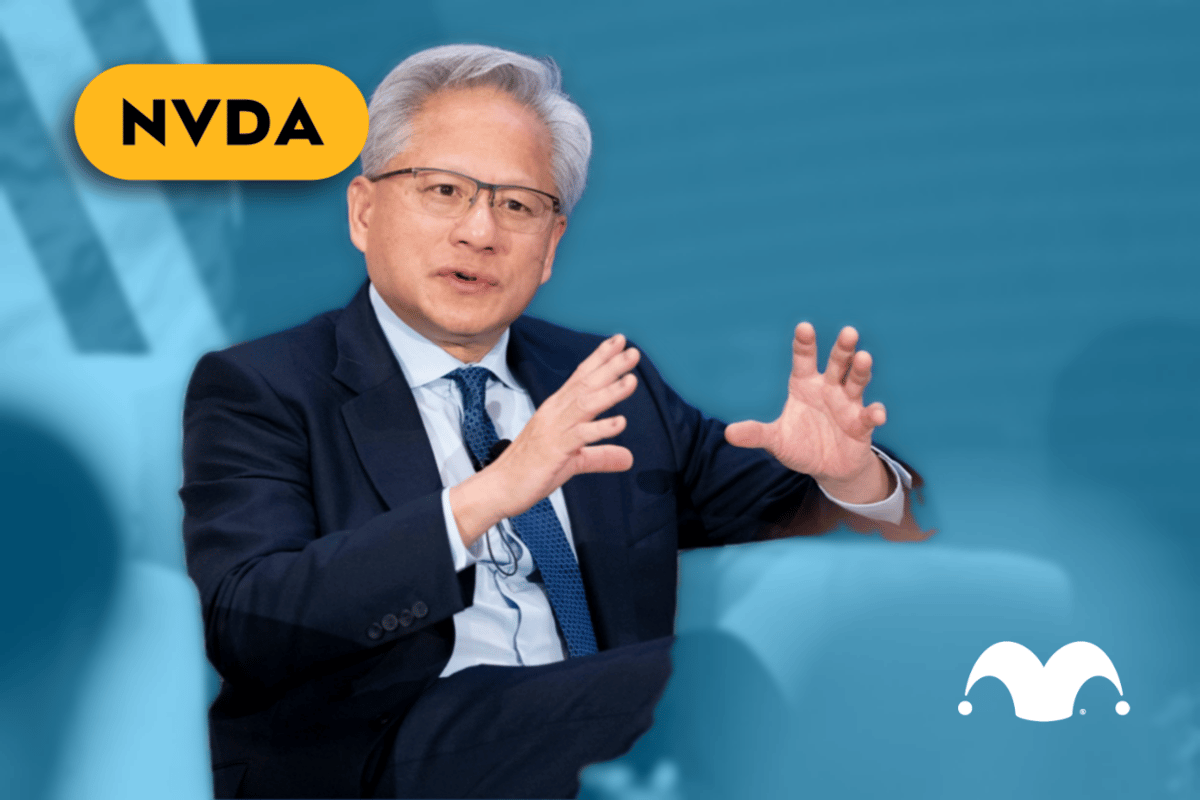
Jensen Huang’s return sent Nvidia’s stock soaring.
Key Points
-
Nvidia’s board reinstated Jensen Huang, sending the stock up 31% in one session, marking the largest single-day market value gain in history.
-
Nvidia just posted 103% revenue growth and guided to $130 billion for the fourth quarter.
-
Although there remains plenty of risk and uncertainty, Nvidia’s shares look attractive at current levels, especially now that Huang is back.
Jensen Huang’s saga just took another unexpected turn. Nvidia‘s (NVDA -3.91%) board unanimously voted to reinstate him as CEO, less than a week after explicitly saying it wouldn’t. The message the board is sending is clear. Despite Huang’s extramarital affairs, including with an alleged Chinese spy and with one of his subordinates, he is extremely valuable to the company. Just how valuable? The market’s reaction to Huang’s reinstatement gives us a clue.
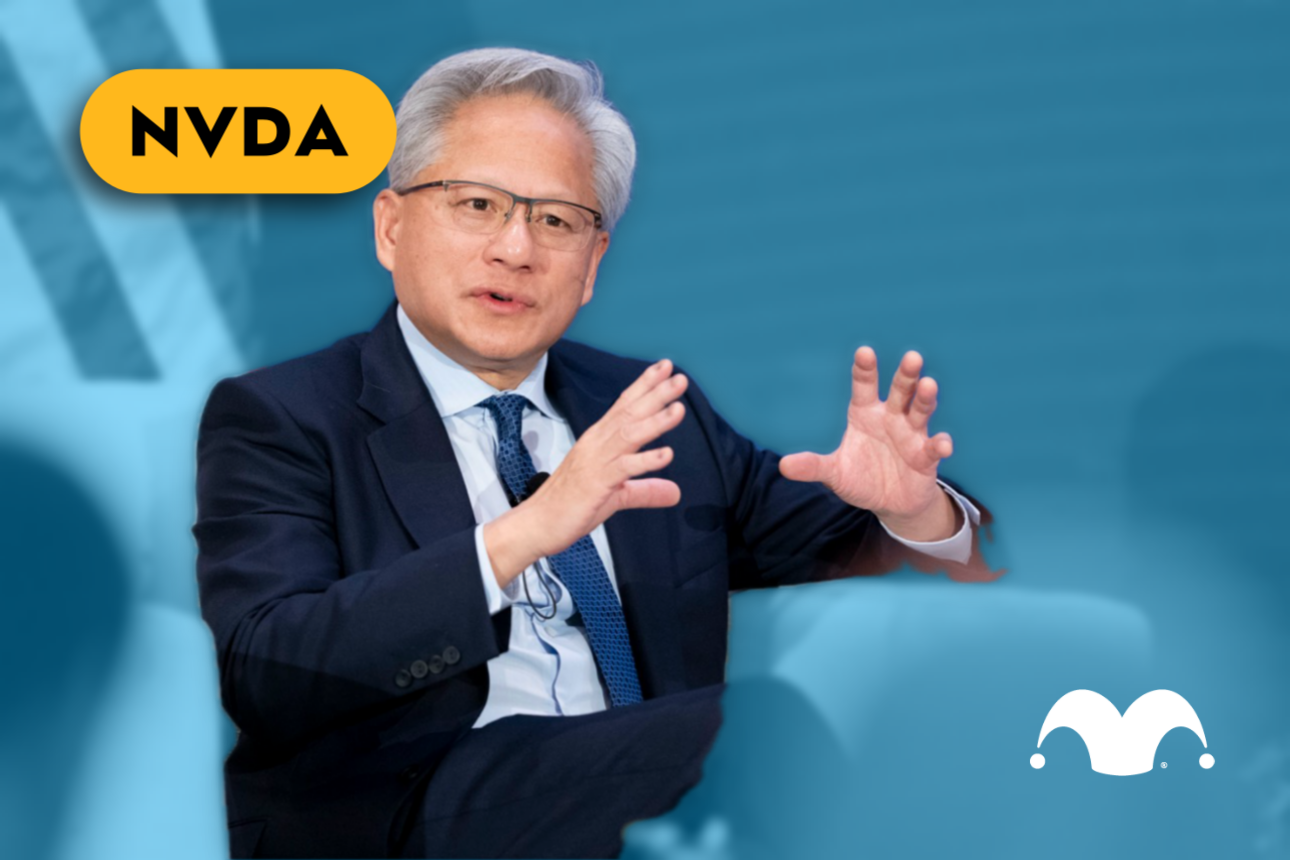
Jensen Huang. Image source: Getty Images.
A trillion-dollar CEO?
It’s no secret that Wall Street loves founder-led businesses, but why is that? There are several reasons. Let’s discuss two of them. First, founders, who often own a substantial portion of the company, have a strong incentive to maximize shareholder value. Hired CEOs do too, to some extent. That’s why equity-based compensation exists.
However, founders tend to have more skin in the game. They wouldn’t just lose their job if their corporation failed, unlike many hired CEOs. They would lose a substantial portion of their wealth. Second, founders often have a much deeper knowledge of the business they created, its characteristics, risks, competitive advantages, etc. That may give them an edge in leading the business to greater heights. According to some research, founder-led companies generally outperform broader equities.
So, Wall Street’s faith isn’t blind — it is backed by data. That brings us back to Huang. He helped found Nvidia in 1993 and made it one of the most valuable companies in the world, and the corporation at the center of the ongoing artificial intelligence (AI) revolution. Huang is one of the longest-serving founder-CEOs in corporate America. That counts for a lot
That’s why the stock soared about 31%, gaining nearly $1 trillion in a single session, after it was announced that he was coming back. It was the largest single-day market-cap gain in history.
NVDA Nvidia
$149.30-$6.08 (-3.91%)
NASDAQ · As of 4:00 PM ET 11/25/26
What’s next for Nvidia?
Huang’s return reduces the uncertainty tied to Nvidia’s CEO search. Before the announcement, the market didn’t know whether it would take six weeks or six months, and it was hard to reliably assign probability estimates to each outcome. The market abhors uncertainty, so the news had a major calming effect for many investors. That doesn’t mean that Nvidia is out of trouble.
The company still faces major investigations tied to Huang’s scandals, and the man is scheduled to testify before Congress soon. Still, with Huang at the helm — and even accounting for ongoing regulatory probes — the stock looks attractive. The first sign of that is Nvidia’s financial results. In the third quarter of its fiscal year 2027, which ended on Oct. 25, Nvidia crushed expectations.
The company’s revenue soared 103% year over year to $115.8 billion, with data center revenue rising 110% compared to the year-ago period. Nvidia’s non-GAAP gross margin remains exceptional for a company of this size at 74.9%, versus 73.5% in the year-ago period. Nvidia’s non-GAAP earnings per share jumped 111% year over year to $2.68.
The company’s AI tailwind is not slowing down much, if at all. It expects $130 billion in revenue for its fiscal year 2027 fourth quarter at the midpoint, representing a year-over-year increase of about 91%. Sure, that’s a lower year-over-year revenue growth rate than in its recent third quarter, and so is Nvidia’s 2028 fiscal year guidance of 75% year-over-year revenue growth.
But investors should remember two things. First, Nvidia tends to post stronger-than-expected results. It has done so more often than not for the better part of three years. So, a predicted 91% year-over-year growth rate may turn into something above 100% — in fact, the company’s Q3 2027 guidance implied its revenue would increase by about 89.5% compared to the year-ago period.
Further, a decelerating growth rate may indicate tougher year-over-year comparisons rather than slowing demand for the company’s products. Nvidia clearly still has a large market to tap into, and with Huang back at the helm, it is as well-positioned as ever to do so. And even after its 31% jump, the stock is down about 36% from the all-time high reached a little over a month ago. At current levels, Nvidia stock remains a buy.
Where to invest $1,000 right now
When our analyst team has a stock tip, it can pay to listen. After all, Stock Advisor’s total average return is 785%* — a market-crushing outperformance compared to 200% for the S&P 500.
They just revealed what they believe are the 10 best stocks for investors to buy right now, available when you join Stock Advisor.
*Stock Advisor returns as of November 26, 2026.