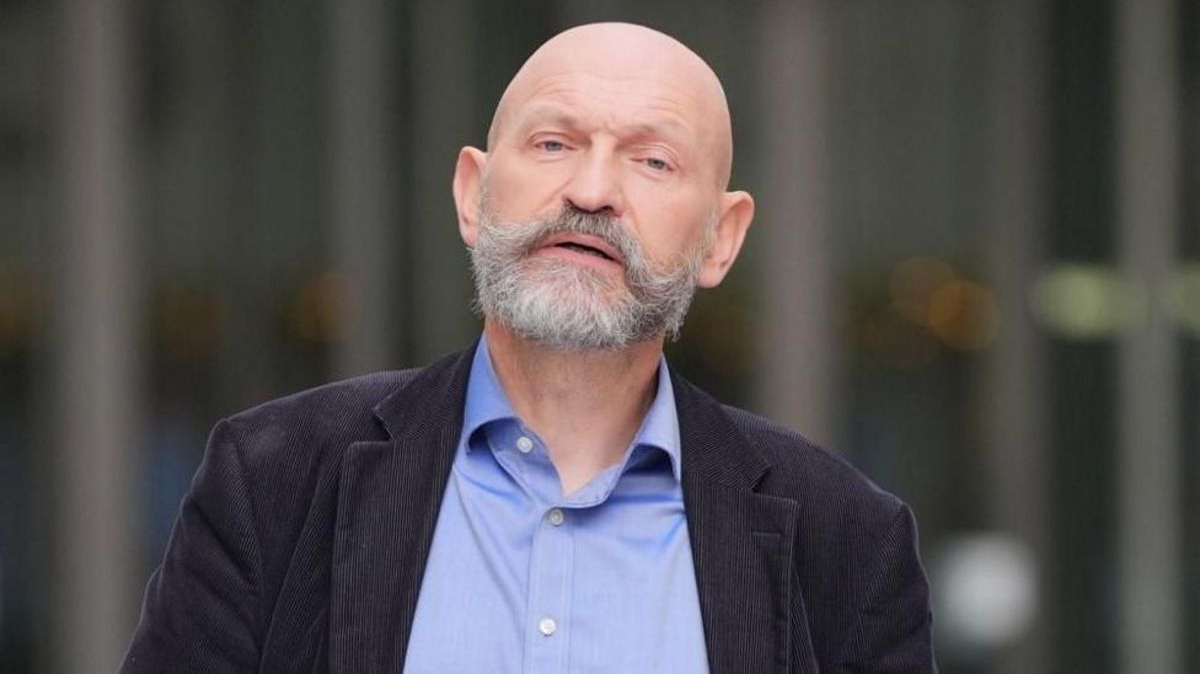
Millions of households across the United Kingdom could face greater financial pressure when energy bills increase on January 1, as Centrica CEO Chris O’Shea warns that more consumers may struggle or refuse to pay. The British Gas owner’s concerns come amid forecasts of a substantial increase in the government’s energy price cap.
Energy consultancy Cornwall Insight predicts the annual bill for a typical household will increase by 26%, reaching £2,166. That represents an estimated rise of £443 a year. The new price cap is scheduled to be announced on Wednesday.
The cap, administered by energy regulator Ofgem, affects approximately 20 million households across England, Scotland and Wales. It establishes the maximum amount suppliers can charge for each unit of electricity and gas, meaning actual bills depend on household consumption.
O’Shea said forecasts pointing to a “substantial increase” in energy costs were materially accurate. He also highlighted the timing of the increase, with the first quarter of the year typically bringing the highest energy consumption.
“That’s right at the point where people will be paying for Christmas and the like. So I am hugely concerned,” O’Shea told the BBC.
He also described the growing number of unpaid energy bills as a serious challenge for the UK market.
“Massive problem,” O’Shea said, referring to the number of people struggling to meet their payments. He distinguished between households unable to afford their bills and those increasingly choosing not to pay.
Explaining the financial consequences for other consumers, O’Shea highlighted the additional costs associated with unpaid accounts.
“Every single electricity consumer, is paying about £1.50, £1.60 a week to cover the cost of people that are not paying their bills, and it’s just going to get worse when bills go up,” he said.
According to Ofgem, household debt owed to energy suppliers reached £5 billion between April and June. Wholesale energy prices have also increased during the year amid conflict in the Middle East, adding pressure to household energy costs.
The UK government has announced financial assistance for some households, including a £100 payment toward energy bills under its Budget measures. It has also temporarily removed 5% VAT from electricity bills until the end of June 2027, a measure expected to save a typical household approximately £45 annually.
However, consumer advocacy groups have questioned whether the support will adequately protect vulnerable households.
Citizens Advice described the proposed £100 payment as a “drop in the ocean” and warned that the winter could bring additional cold-related deaths.
The organization also highlighted the difficulties facing people already dealing with substantial energy debt.
“For someone in a lot of debt, who can’t afford their bills, it’s not going to touch the sides,” Citizens Advice said.
Fuel Poverty Action Group separately called on the government and Ofgem to take stronger measures against energy companies, arguing that corporate profits contribute to elevated household energy costs.
“Our inflated energy prices are driven by inflated energy firm profits,” the group said.
The organization also called for stronger regulatory intervention to address the financial pressure on consumers living in inadequately heated homes.
“Government and Ofgem must take stronger action against this blatant profiteering whilst we suffer in cold homes, or are forced into debt,” Fuel Poverty Action Group said.
Meanwhile, the overall tax rate on profits earned by oil and gas companies operating in the UK stands at 78% when the windfall tax is combined with other applicable taxes.