Last updated:
It may also mean that carbon charges on UK steel production would continue to be paid into the UK ETS, and could fund public services, rather than part of them being collected at the EU border through the EU CBAM. In turn, the UK would not apply its own CBAM to steel imported from the EU.
The report analyses the UK’s own Carbon Border Adjustment Mechanism, which is due to start on 1st January 2027, and identifies several ways in which its design differs from the EU’s, including default emission values that do not vary by country of origin until 2029. This could better protect the UK steel industry from competition from higher-carbon steel imports
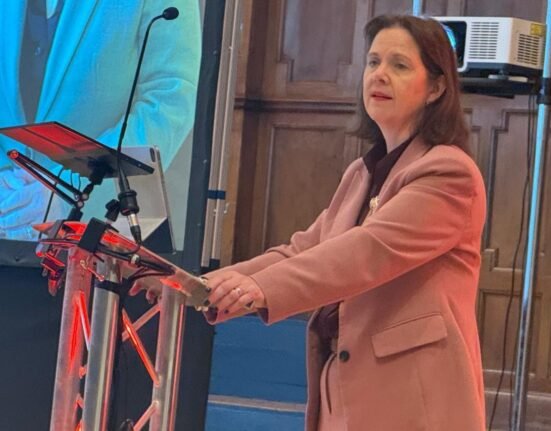
Tom Cantillion, Senior Analyst, at the Energy and Climate Intelligence Unit, said:
“Not only would linkage of the UK and EU emissions trading schemes benefit UK industry by reducing red tape, it would also mean more of the carbon charges would stay in the UK – and could fund schools and hospitals.
“The UK CBAM should arguably have been put in place years ago, is already running a year behind the EU’s and is simply not as strong. But both policies will provide protection to domestic steel production from cheaper, dirtier imports while pushing other countries to clean up to compete. It’s just one of the many ways, like leading the world on offshore wind, that the UK can have impact on climate change beyond its borders.
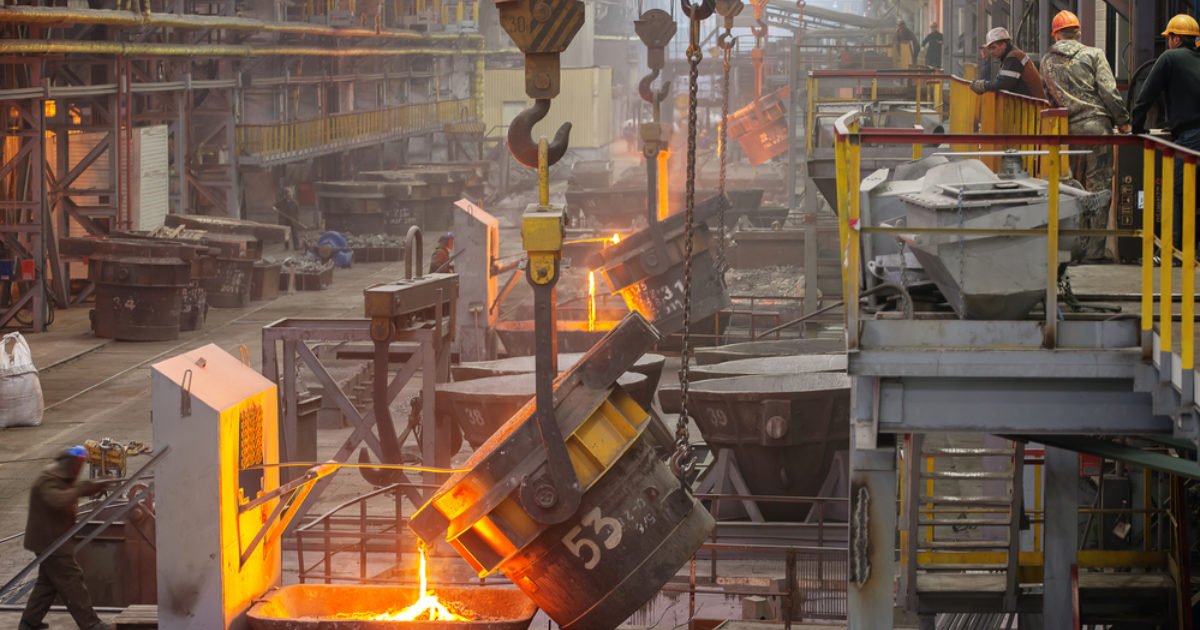
“As the UK switches to electric arc furnaces, powered by ever more renewables, it gives our steel a clean competitive advantage as demand for green steel rises. Carbon pricing is spreading rapidly and is increasingly the norm with South Korea, China, Japan, India, Vietnam and California all having introduced or introducing schemes. [2]”
Globally, commitments to reach net zero emissions cover around 84% of GDP [3].
Previous analysis has found the UK could develop many more electric arc furnace (EAF) steel plants to process UK scrap – that would otherwise be exported to places such as Turkey – to meet our own growing demand in housing, renewables and pylon construction [4].
ENDS
Notes to editors:
- The report was prepared by ECIU drawing on analysis by CBI Economics. The views and conclusions are those of ECIU. CBI Economics is the independent economic consultancy arm of the Confederation of British Industry (CBI), providing independent, data-driven research and analysis to public and private sector clients. Its work applies robust economic methodologies tailored to client objectives, while operating independently from the CBI’s member-led policy and advocacy functions. CBI Economics delivers objective analysis and insights, with findings and conclusions reflecting its own evidence-based assessment. For information about this analysis or enquiries about carrying out similar research, contact cbieconomics@cbi.org.uk.
- https://openknowledge.worldbank.org/entities/publication/64c7e4b9-bdd4-4761-9f3f-35fcccb4b7ef
- https://zerotracker.net
- https://eciu.net/media/press-releases/taxpayer-owned-steel-faces-ticking-clock-to-capture-britains-green-steel-boom