Ever rising energy prices are prompting more households to look at ways to reduce their bills – with heat pumps one option – and here the Mirror explores this choice…
The falling cost of heat pumps – and government subsidies – have fuelled growing interest
The chill winds of autumn are leaving households weighing-up how long they can hold off before turning the heating on.
Another 4% rise in Ofgem ’s price cap from the start of October, on top of previous hikes, mean many people will be waiting that bit longer before flicking the switch. Most worrying of all, some households battling to make ends meet will have to ration their use – with research from website Uswitch suggesting 1.7 million households won’t turn on their heating at all this winter.
And things could be about to get worse if experts are right and the price cap jumps another 16% or so to average £2,000 a year in January.
It’s why Chancellor John Healey will be under pressure to announce targeted help with energy in this month’s Budget, on top of the average £45 VAT savings announced. As well as short-term savings, households are also being urged to consider measures to reduce their energy use longer term.
One such way is by installing heat pumps, although they have been seen as the preserve of better-off households given the initial outlay, even with subsidies from the government’s boiler upgrade scheme available in England and Wales.
To see more of the stories you love from The Mirror and to find them easily in Google then make us your preferred source. Free and easy-to-do, just click on the link here to find more from The Mirror at the top of your feed.
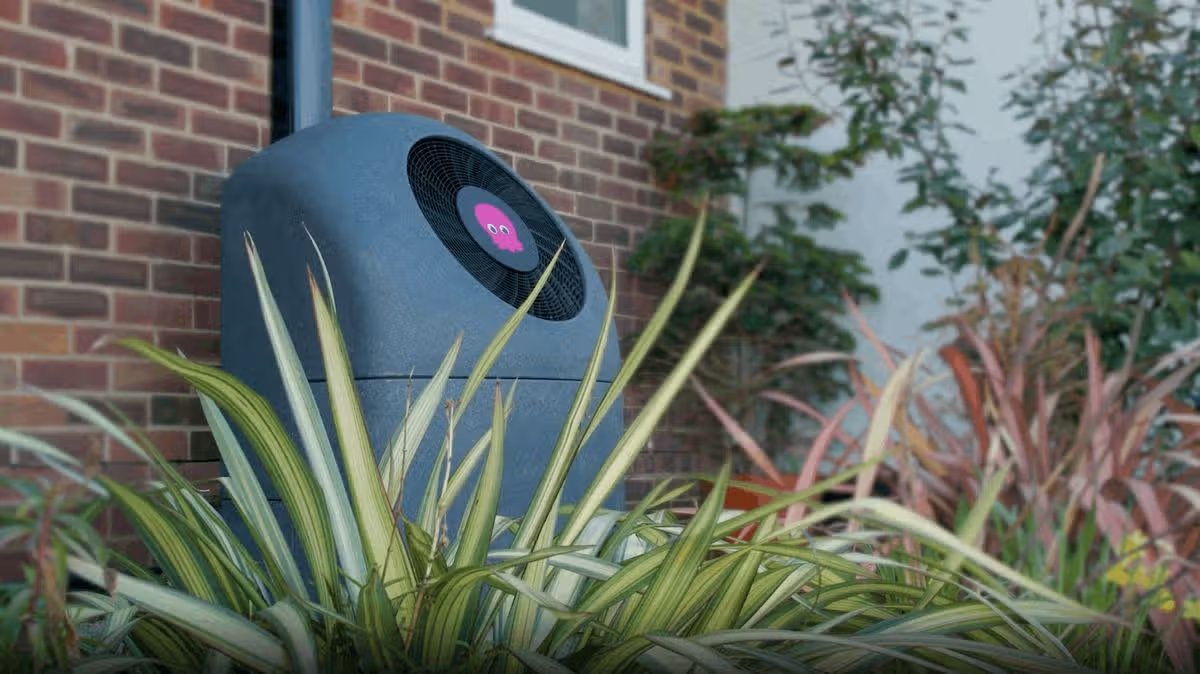
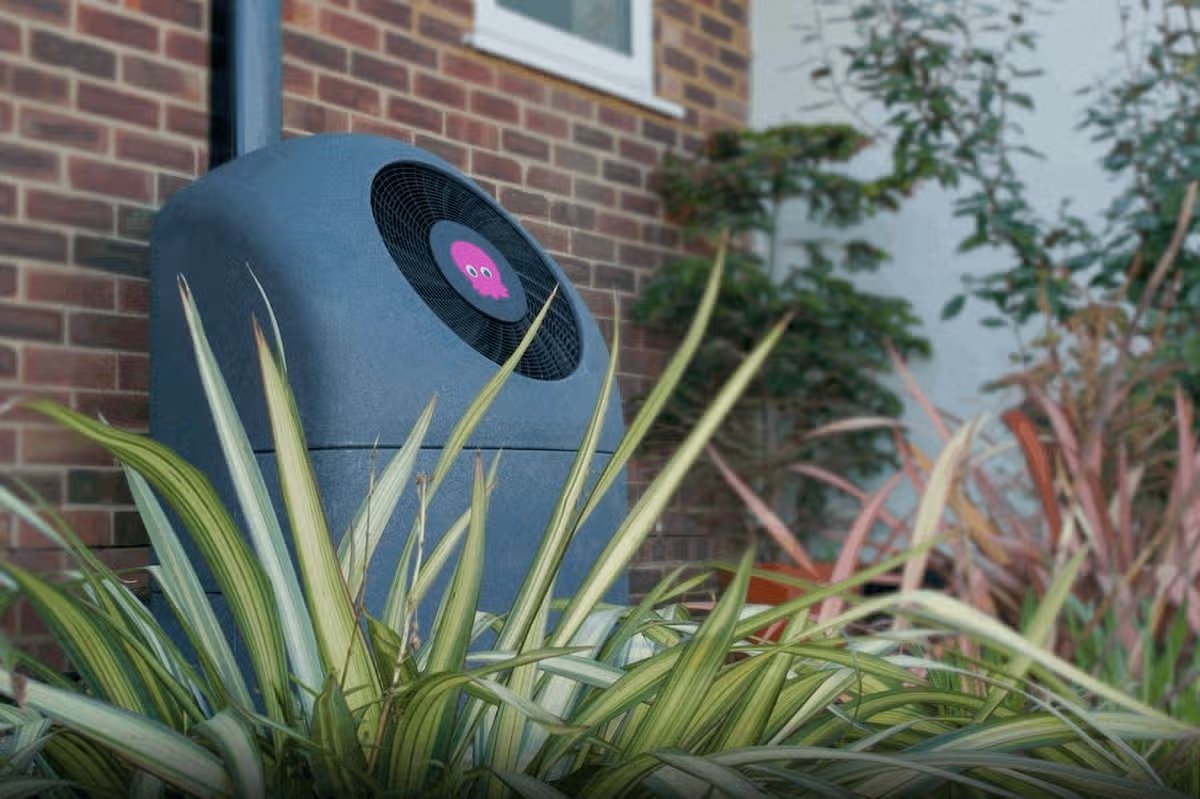
Air source heat pumps – rather than ground source – are the most popular version. They’re normally less than the size of two wheelie bins stood side-by-side and take heat from the air outside which is then used to heat water for the pipes inside the home.
The Mirror has teamed up with Octopus Energy to give away five award-winning Cosy heat pumps, each worth over £3,000.
The perceived downsides of them has been the upfront cost, especially compared with gas boilers, and the cost of the electricity used power them. That’s without changes to a home’s central heating system and fitting a hot water tank, if there isn’t one already. But the industry claims that heat pump prices have come down to the extent that some are comparable with a new gas combi boiler.
Octopus Energy says most customers interested in its Cosy heat pumps now receive a quote at the same price as a gas boiler, after taking the Boiler Upgrade Scheme into account. While heat pumps use more electricity, the gas saving means the average households with one is around £350 a year better off overall, the company claims. Octopus also says, with its system, households don’t need to alter their internal heating pipework or radiators.
The Energy Saving Trust says heat pumps are especially good if households are replacing an older, G-rated gas boiler. But it adds: “Remember, not everyone who installs a heat pump will see savings straight away. This is because electricity is currently more expensive than gas. “So, if you’re replacing a much newer, more efficient gas boiler for a heat pump, your energy bills aren’t likely to go down just yet.”
The boiler upgrade scheme offers you a basic grant of £7,500 towards an electric heat pump, rising to £9,500 for some off-grid homes. If you live in Scotland, grants of between £7,500 and £9,000 are also available.
However, reports on Monday – the start of the industry’s National Heat Pump Week – claimed that ministers are preparing to slash the generosity of the scheme in England and Wales. It’s feared that cutting back the subsidy risks widening the cost gap with gas boilers once again.
The uncertainty comes as Octopus hopes to appeal to those who sweltered through the summer heatwave.
Retailers saw sales of air-conditioning units go through the roof as families tried to keep cool. Octopus will launch a Cosy Cooler gadget next year that is designed to be added to its existing heat pumps and circulates chilled water through a home’s central heating pipes.
It costs between £500 and £600, which the firm says is a fraction of the £2,000 to £6,000 that traditional air-conditioning systems can cost to install.