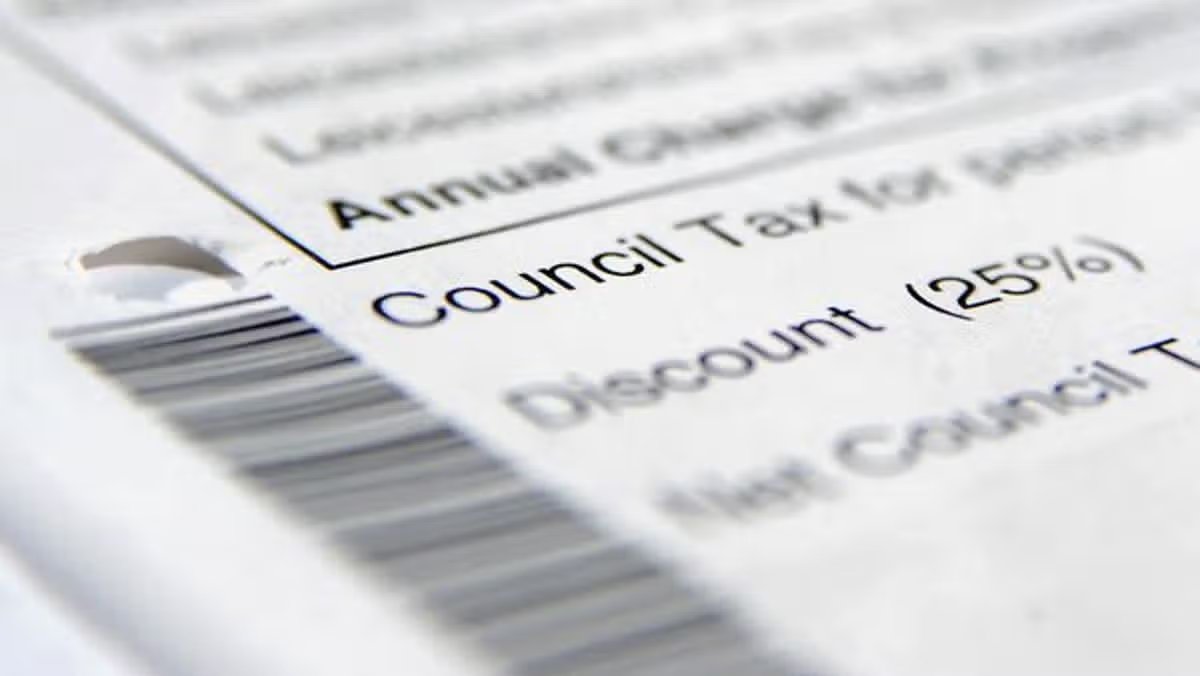
Council Tax Reduction can cut bills for people on a low income, while other discounts and exemptions could also reduce monthly payments.

More than 460,000 households in Scotland are receiving a reduction on their annual Council Tax bill.(Image: PA)
Households struggling with the cost of living are being urged to check whether they could reduce their Council Tax bill as new research shows more families are falling behind with essential payments.
The Resolution Foundation found that the proportion of poorer households in arrears on priority bills, including Council Tax, energy, water and rent, has almost doubled since 2020. Some 18 per cent were behind with these essential bills in March this year, according to the think tank.
The findings come after five years of sharply rising living costs, which the Resolution Foundation estimates have left the average household around £2,900 worse off than they would have been if inflation had remained at normal levels.
James Smith, chief economist at the Resolution Foundation, said: “While the hit to incomes from rising prices has been felt right across the board, the hardship has not been equally shared.
“It is poorer families who have cut back hardest on heating and are falling behind fastest on essential bills, and the conflict in the Middle East is set to keep energy prices high.”
Households in Scotland who are struggling with their Council Tax bill may be able to reduce the amount they need to pay through Council Tax Reduction (CTR) or one of several discounts and exemptions.
Latest Scottish Government figures show 462,310 households were receiving a Council Tax Reduction in July.
The support was worth an estimated £8.9million each week, equivalent to an average reduction of around £19 per household per week, or just over £1,000 across a full year.
The actual amount someone receives depends on their individual circumstances and Council Tax Reduction can, in some cases, cover up to 100 per cent of the bill.
It’s also important to be aware that people do not necessarily need to be receiving benefits to qualify for help.
If you are finding it difficult to keep up with payments, contact your local authority and explain your financial situation, they may be able to put your account on ‘hold’ and agree the next payment date, giving you a bit of breathing room to get back on track.
Most Council Tax bills are paid over 10 months, but this can be changed to 12 – as long as you agree to pay by Direct Debit.
A full list of help available including extra financial support can be found on the Scottish Government’s dedicated cost of living website.
Below is a list of circumstances which could see you paying less Council Tax each month.
Check if you could be exempt from paying Council Tax
You will not pay Council Tax if:
- You are a full-time student
- You are in the Armed Forces in Forces accommodation
- You live in a care home or hospital
- Your home is unoccupied and empty (up to six months) – for example, if you’ve gone into hospital
- You have a severe mental impairment (e.g. dementia) – if you only live with someone who has dementia, then you’ll be treated as a sole occupant as they will be disregarded, but you won’t both be exempt
Contact your local authority about your eligibility and how you can apply for an exemption.
Could you be eligible for a discount on your Council Tax bill?
You may be eligible for a reduction on your Council Tax, but the exaact amount depends on your circumstances.
If you live alone
The full Council Tax is calculated assuming there are two or more people living in each home – if you live alone, you should apply to your local council for a discount – you could get a 25 per cent reduction, regardless of your financial circumstances.
If you live with someone under 18 or a student
Council Tax is not calculated for anyone aged under 18, full-time students, student nurses and some apprentices or trainees.
If you are a carer
Carers who look after someone in the household for at least 35 hours per week and who meet additional criteria may be disregarded for Council Tax purposes, contact your local authority for their eligibility criteria.
Just be aware, this doesn’t apply if the person receiving care is the partner of the carer, or is the carer’s child aged under 18.
If there are major changes to the value of your home
You may be able to get your home moved to a lower band if it has decreased in value. For example, if you have made home adaptations for a disabled person, or if a motorway has been built nearby.
You may also get the band lowered if a room in the house is dedicated to equipment used by a disabled person on a daily basis.
If you change the way you pay
Although the total year’s amount will stay the same, you can request your bill be split over 12 months instead of 10, so you can spread the cost and reduce your monthly outgoings.
Alternatively, if you can afford to pay the whole bill in one lump sum, check with your local council if you can get a discount.
Apply for Council Tax Reduction
You may be eligible to claim a Council Tax Reduction if you’re on a low income or claiming certain benefits.
You can also claim Council Tax support regardless of whether you own your own home or rent, or whether you’re working or unemployed.
Each local council is responsible for operating their own Council Tax support scheme, so the amount of support given across the country may vary.
The amount you will get depends on many factors, including:
- Which benefits you receive
- Your age
- Your income
- Your savings
- Who you live with
- How much council tax you pay
You may get more Council Tax support if you receive a disability or carers benefit.
If you receive the Guarantee Credit Part of Pension Credit you may even get your Council Tax paid in full. If you don’t have it, but are on a low income and have less than £16,000 in savings, you may still get some help.
Full details on help with Council Tax can be found on MYGOV.SCOT.
Help with Council Tax arrears
If you are struggling to pay your Council Tax or have fallen behind with payments, free help and advice is available.
Council Tax arrears are classed as a priority debt, so it is important to contact your local authority as soon as possible. You may be able to arrange smaller payments or agree an affordable repayment plan.
Councils have powers to recover unpaid Council Tax, including deductions from wages or bank accounts in certain circumstances.
Free, confidential support is available through Advice Direct Scotland and its moneyadvice.scot service, or by calling 0808 196 2316.
Keep up with the Record’s unbeatable Scotland coverage by making us a preferred source on Google. It’s easy, and it’s free. Click HERE.