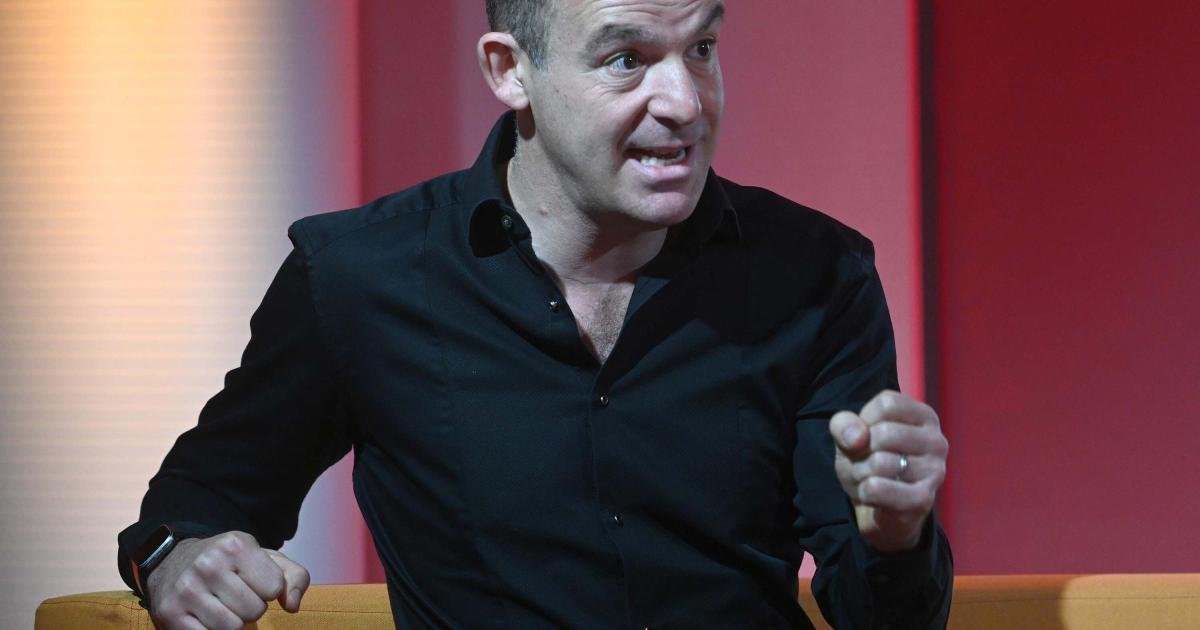
Martin Lewis said: “I’m afraid it’s now predicted the energy Price Cap will rise 24% in January. The Cap applies to all firms’ standard tariffs (bar in N. Ireland), so if you’re not on a fix or special deal, you, like most people, are on it.
“If you are on it, the safest thing to do is to fix, using a whole-of-market comparison such as MSE’s CheapEnergyClub.com .”
The warning comes after the Price Cap is already due to rise in October.
I’m afraid it’s now predicted the energy Price Cap will rise 24% in January. The Cap applies to all firms’ standard tariffs (bar in N. Ireland), so if you’re not on a fix or special deal, you, like most people, are on it.
If you are on it, the safest thing to do is to fix, using… pic.twitter.com/NzkFglOZS9
— Martin Lewis (@MartinSLewis) September 16, 2026
Ofgem has confirmed the cap will increase from £1,663 a year to £1,723 for a typical dual-fuel household paying by Direct Debit from October 1.
The January figure is not yet confirmed, but MoneySavingExpert’s latest forecast puts it at around £2,152 a year – a potential 24.9% jump on the October level.
Energy bills could jump by nearly 25%
The latest MSE forecast suggests a typical dual-fuel household could face an average Price Cap of £2,152 a year from January.
That would be around £429 more than the October figure.
Energy price cap for households in Britain, including figure from October 2026 (Image: PA Wire)
However, this is only a forecast and could change before Ofgem announces the January-March cap on November 25.
The prediction is based on wholesale energy prices and other costs feeding into Ofgem’s calculation.
MSE warns that the forecast is still relatively early and could move significantly before the final figure is known.
What is the Energy Price Cap?
The Price Cap limits the maximum unit rates and daily standing charges suppliers can apply to standard variable or default tariffs.
It does not cap your total bill – the more energy you use, the more you pay.
The cap is reviewed every three months and applies to households in England, Scotland and Wales on default tariffs.
Who is affected?
The warning is particularly important for households who have never switched supplier, have allowed a fixed deal to expire, or are otherwise sitting on a standard variable tariff.
If you are already on a fixed-rate tariff, the Price Cap increase does not normally affect your agreed rates.
Energy price cap, up to July 2026 (Image: PA Wire)
Martin Lewis says fixing could be the safest option
Martin Lewis is urging households on the Price Cap to consider fixing if they want protection from further increases.
However, a fixed tariff is not automatically cheaper than staying on the cap.
MSE’s latest analysis suggests some of the cheapest fixes are currently below the October Price Cap, but the saving depends on the tariff, location and energy use.
The trade-off is certainty: a fixed deal can protect against future Price Cap rises, but you could miss out if variable rates subsequently fall.
Recommended reading:
What happens next?
The October Price Cap will run from October 1 to December 31, with the next rate due to be announced on November 25.
For now, households face a choice between staying on a variable tariff and taking a fixed deal.
With the latest forecast pointing to a potential 24.9% January increase, Martin Lewis’s message is to check what is available rather than simply allowing an existing deal to roll over.