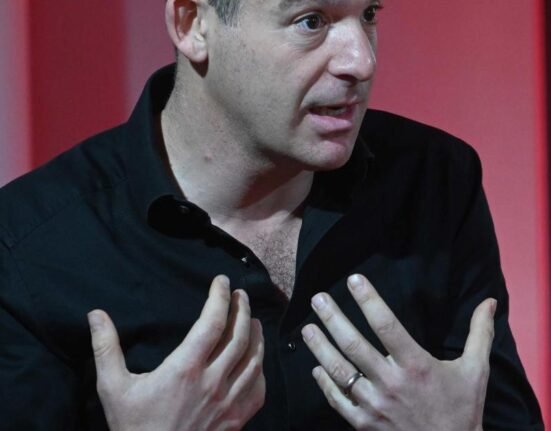
Mr Neidle, a tax lawyer and founder of Tax Policy Associates, told the Holyrood Sources podcast this week that ministers never consulted TAG before raising the top rate of income tax to 48p, a decision his own analysis suggests cost Scotland £22 million in lost revenue, rather than raising money as intended.
It emerged earlier this month that the TAG had been quietly shut down ahead of the election.
When it met for the last time in February, the then Finance Secretary Shona Robison asked members “to provide their reflections on the TAG to officials following the meeting”.
The Herald asked the Scottish Government for any documents containing those reflections to be released through Freedom of Information.
They reveal that one member had told officials, after the Tax Strategy outlining the 48p rate was published in December 2024, that TAG “should be wound up”.
They said they suspected the only reason it survived another 18 months was that scrapping it “might have become a media story”.
Another member said: “I’m not convinced the TAG has achieved much so far — not sure you’ve got much out in return for the time put into it.”
The same respondent said attempts to link discussions to actual policy had gone nowhere: “it’s hard to see any connection at all at the moment” between TAG meetings and “actual tax policy deliberations”.
Another response said there was tension at the heart of the group. They said: “I was really pleased to be asked to join the TAG when it was established, however, it has been informative regarding how difficult it is to develop a meaningful remit.
“In tax, ‘policy’ is always going to involve political considerations, but TAG members generally expect to offer their practical and operational experience, not a political view.
“This conflict has perhaps hindered the Group.”
One respondent went further, suggesting ministers had deliberately kept TAG at arm’s length from real decision-making to avoid scrutiny of budgets.
“It became clear that Scottish Ministers did not want a Tax Strategy that might be seen as constraining annual budget decisions or allowing others to point out that a year’s budget decisions ran contrary to the Tax Strategy.”
The Scottish Government has previously defended the exclusion of TAG from decisions such as the 48p rate on the grounds that tax announcements are “commercially and economically sensitive” and it is “common practice” to inform only the Scottish Fiscal Commission and HMRC before parliament is updated.

But TAG’s remit, as set out when it was launched by Ms Robison in July 2023, was to provide “strategic advice” on tax policy.
The survey of members on the group — established by Humza Yousaf — also suggests ministers were assessing whether to keep the group going under John Swinney.
However, in an exchange at Holyrood last month, Labour MSP Michael Marra asked Ms Robison’s successor as Finance Secretary, Jenny Gilruth for an update on the status of the group.
The Deputy First Minister appeared to be unaware of the body’s existence.
“I think that Mr Marra is referring to the Scottish Fiscal Commission?” she said.
When Mr Marra replied, “No, the tax advisory group.” Ms Gilruth said: “Right, OK, I’d like to come back to Mr Marra in greater detail on that. I met with the Scottish Fiscal Commission earlier today and we will continue that engagement.”
Only four of TAG’s members responded to the survey. The Scottish Government redacted all names from the responses, citing personal data exemptions under FOI law.
The group’s membership drew from academia, business and the tax profession and included economists from the IFS and Fraser of Allander Institute and representatives from the STUC and COSLA.
Mr Neidle, who did not respond to the survey, told The Herald: “I don’t recall the group being asked to give any advice on actual policy decisions. We were mostly given PowerPoint presentations of administrative stuff.”
Mr Marra said the correspondence “confirms what we have known for a long time”.
“The SNP‘s culture is one where political positioning always comes first and matters much, much more than governing well for the public,” he added.
“For years the SNP has used taxpayer-funded groups, boards and advisors as a smokescreen to distract from their own inaction.
“This financially illiterate SNP government has ignored the experts, piled pressure on working people and created a vast black hole in our public finances.”
Scottish Lib Dem finance spokesperson Liam McArthur said: “The Scottish Government has a bit of a tendency to announce an advisory panel, soak up the media coverage and then relegate it to the backburner.
“These comments suggest that leading figures are more than happy to offer their expertise but they are less sure that it will lead to meaningful change.”
Scottish Conservative finance spokesman Craig Hoy said the remarks confirmed the group had been set up by the SNP “as a tick-box exercise”.
“It is clear ministers never had any intention of properly consulting tax experts before imposing the highest taxes in the UK on hard-working Scots.
“Political posturing appears to have been more of a priority so it is hardly surprising they ultimately tried to quietly axe the group in the hope that nobody would notice.
“John Swinney must come clean as to whether he ever had any intention of listening to those on this group or whether he was going to double down on his high-tax policies, no matter what they said.”
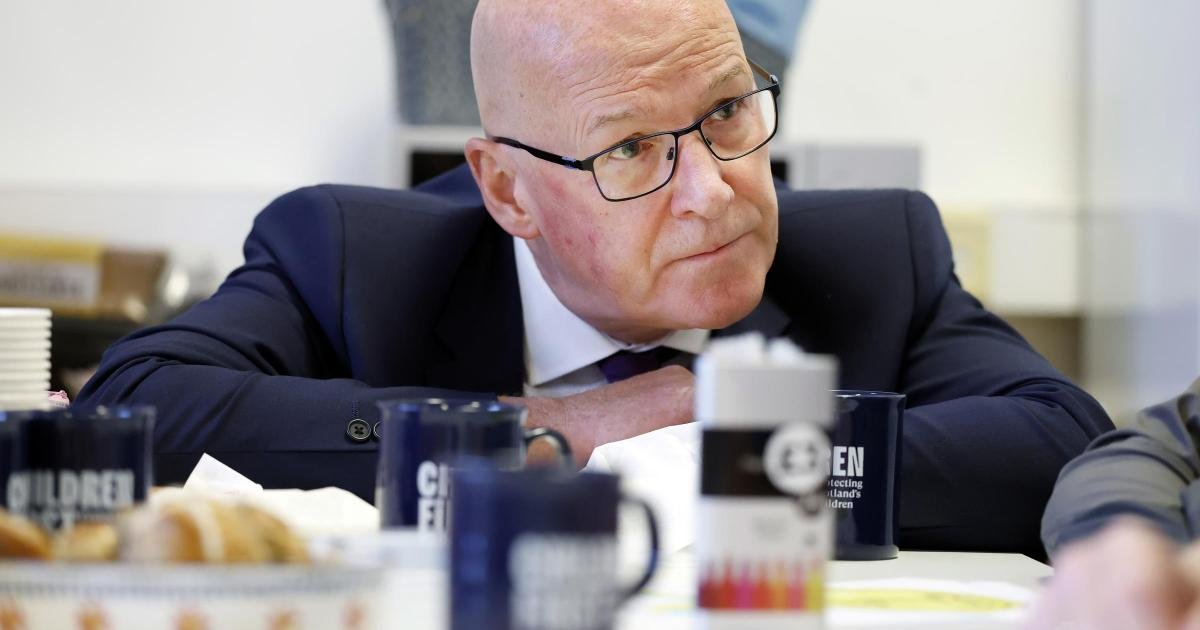
Speaking to the Press Association on Thursday, Mr Swinney said the Government submits all of its budget to the Scottish Fiscal Commission.
“There is absolutely independent scrutiny of all of the tax decisions that the Government takes,” he said.
The First Minister added: “Now, we obviously will look at all of this material as we consider our tax stance, as the Government always will do, to make sure that we’re taking the most appropriate decisions on tax.
“The Government obviously reviews its tax decisions at every particular budget and we’ll look at all of the analysis.
“We obviously take advice from an assessment of our proposals from the Scottish Fiscal Commission, who are our statutory advisers on all issues in relation to tax.”

Meanwhile, Sandy Begbie, chief executive of Scottish Financial Enterprise, has called for a rethink of the 48p top rate of income tax and the six bands.
He has urged the First Minister to “urgently commission an emergency audit of Scotland’s income tax system before the next budget”.
Mr Begbie told the Times: “The Scottish Government appears to have so far refused to engage with the Tax Policy Associates analysis. That is unacceptable and highlights exactly why we need an urgent, independent assessment of the evidence.
“While the current tax policy might be best for political point scoring, can it be said, hand on heart, that it is the best thing for economic growth?”