Even though battery storage is key to bringing down electricity costs, the state is restricting the utilisation of this technology, a collective of businesses said on Monday.
The Electricity Market Association (EMA) said energy poverty remains one of the biggest challenges, with consumers in Cyprus saddled with among the highest electricity bills across the EU.
“For Cyprus, the stakes of transitioning to green energy concerns not only increasing production from renewables sources,” the EMA said.
“Nor whether our country will attain its EU targets. In essence, it is about finding a way of effectively utilising green energy, with a real benefit to consumers.”
As technology advances, electricity does not need to be consumed the moment it is generated – particularly since the production of solar energy does not always coincide with the hours of the day when demand peaks.
Without storage, the EMA said, a significant amount of this cheap energy cannot be fully utilised.
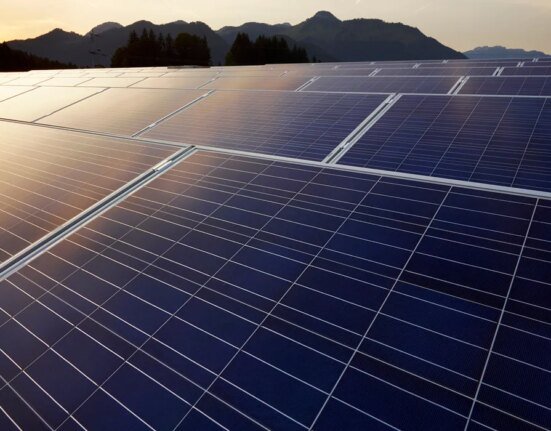
The association also recalled the forced interruptions on solar energy production (commercial and household) whenever energy output exceeds demand.
Only last April, the EMA said, these cuts to large photovoltaic parks “reached 60 per cent”. Also, from January 1 to May 1, the losses from household PV systems would have covered the power needs of some 7,500 households over a year.
“Clean and inexpensive energy is being thrown away,” the association added.
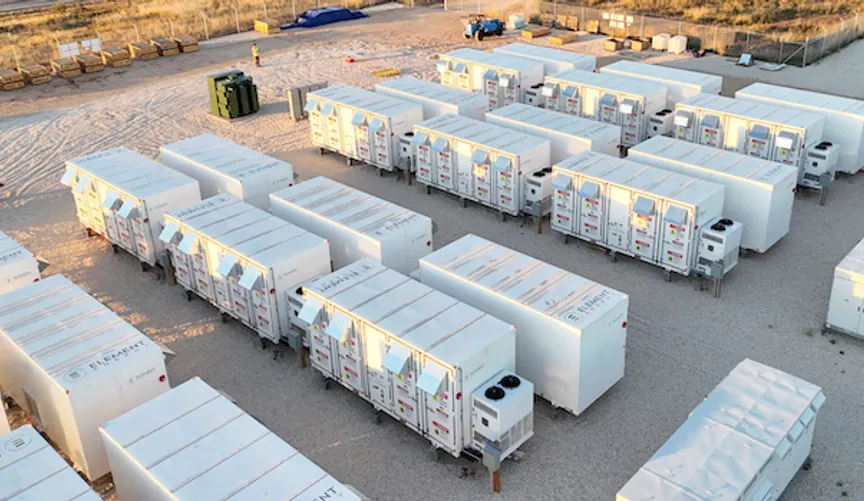
The combined use of PVs and storage batteries allows households and businesses to make the most of the energy they generate. Instead of feeding excess supply to the grid and later buying electricity at a higher price, they can use the stored energy whenever they need it.
“In this way, electricity bills go down, energy autonomy is enhanced, while exposure to energy price fluctuations is limited.”
Despite all these clear benefits, the EMA said, in Cyprus progress in energy storage is being held back by time-consuming procedures and red tape.
“The delays in issuing connection permits on the part of the Distribution System Operator, which comes under the Electricity Authority of Cyprus, create legitimate questions regarding the transparency and effectiveness of the procedures, equal treatment of investors, as well as the independence and impartiality of the involved [state] agencies.”
These delays “discourage investments of millions of euro, restrict the further utilisation of inexpensive energy from renewables, maintain market distortions and, ultimately, pass on the higher costs to consumers”.
Paradoxically, the EMA noted, this is happening at a time of heightened business interest in renewables and energy storage.
“What is therefore needed is a stable and predictable regulatory environment, faster licensing procedures and clearcut rules regarding the participation of storage systems in the electricity market.”
Registered with the Federation of Employers and Industrialists, the EMA is a collective of private-sector energy companies.