I couldn’t help but roll my eyes when tech entrepreneur and longevity influencer Bryan Johnson posted about his girlfriend’s “vaginal microbiome report” in April. (He said it was in the “top 1% of vaginas”.) While the vaginal microbiome is genuinely interesting, most clinicians don’t routinely recommend this test to patients.
As medical technology has become more powerful – and more marketable – the line between helpful screening and unnecessary testing has blurred.
Of course, some medical testing helps prevent premature disease and death. But the direct-to-consumer testing industry is increasingly promoting tests that promise reassurance but often deliver ambiguous findings. The results may lead to expensive follow-ups or leave people with the creeping sense that their body is full of hidden dangers.
Here’s what you need to know about screening tests.
What is medical screening?
Screening is medical testing that looks for medical conditions before you have symptoms. The best kinds of screening tests find treatable conditions before they’ve caused too much damage, and enable clinicians to reverse or cure the condition to prevent premature disability or death. Importantly, good screening tests don’t themselves cause harm, whether by breaking the bank or by causing new problems.
Blood sugar tests and blood pressure checks are examples of great screening tests. The conditions they flag – diabetes and high blood pressure – have long asymptomatic periods, causing damage to tiny blood vessels in the eyes, kidneys, brain and heart for years before people notice them. If screening finds these conditions early, treatment can stop them in their tracks. If not diagnosed early, these diseases take decades off people’s lives and cause blindness, kidney disease, strokes, heart attacks and other issues.
These screenings are cheap and easy. In addition, interventions to prevent these diseases from progressing – dietary and exercise changes, and medications that have been safely in use for decades – are way less likely to cause harm than good.
Is more screening better?
If knowledge is power, it might seem logical to get as much information as possible about your body. But that’s not always the case.
Experts use the term “overscreening” to describe overzealous testing that finds things that are untreatable, don’t need to be found or raise even more questions, requiring additional costly and potentially harmful interventions with unclear benefit.
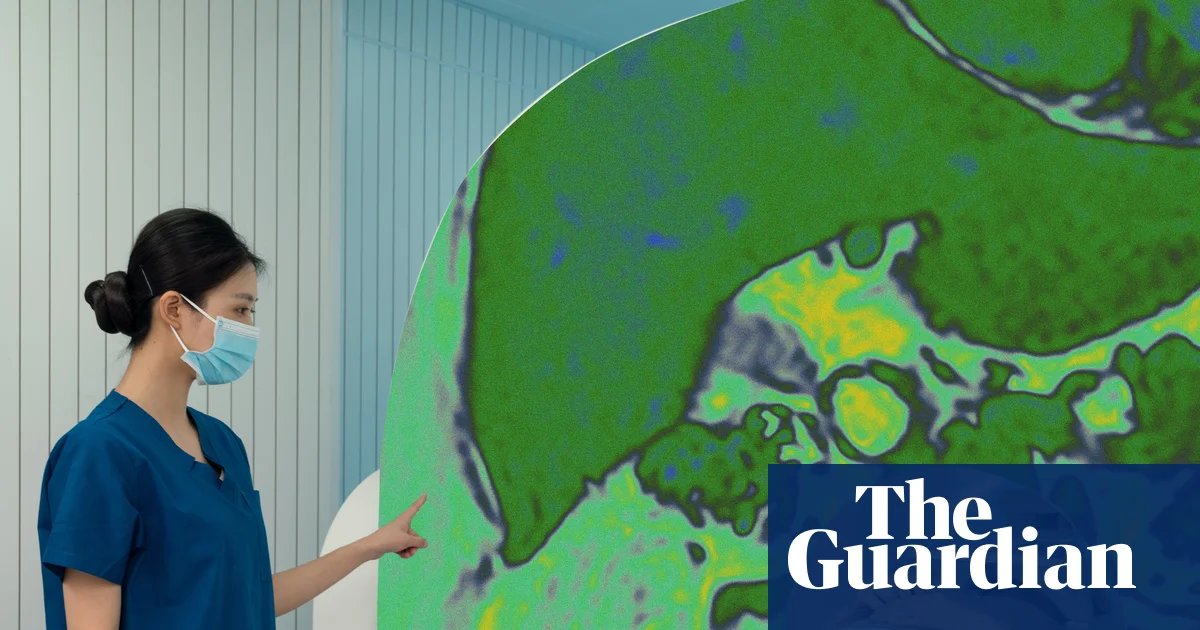
It can be hard to get your head around the idea that more testing isn’t always better. Full-body MRI scans are a nearly perfect example. Popularized by techno-optimists and celebrity endorsements, they are sold by for-profit companies as a proactive way for healthy people to identify “silent killers” like aneurysms and solid tumors in their early stages.
MRI technology is great at detecting atypical anatomy, but it’s often unable to determine the significance of it. An astonishingly high proportion of the findings these tests identify are “incidentalomas” – tiny cysts, nodules or anatomical quirks of unclear significance. In one review of studies evaluating whole-body MRI screenings, 95% of participants had abnormal findings, about a third required further investigation, and fewer than 0.5% had findings suspicious for cancer.
“Humans are full of abnormality, particularly as they age,” says Gilbert Welch, a researcher of overdiagnosis at Brigham and Women’s Hospital in Boston. Many findings are irrelevant to a person’s health, but clinicians don’t know which are – so they often act on all of them.
What are the harms of overscreening?
By definition, incidentalomas are unlikely to cause harm. But they trigger cascades of additional testing, biopsies and specialist appointments – which all cost time and money, and may lead to discomfort and medical complications.
Even established tests can be applied too broadly or too frequently. For decades, experts have been arguing about the best cadence for screening mammograms, which look for breast cancers in otherwise healthy, low-risk people. Long-term data suggest that more frequent mammography screening substantially increases breast cancer diagnoses, especially of early stage disease. However, the practice leads to much smaller reductions in advanced cancer, and its effects on overall mortality are uncertain. Additionally, a large share of what these screenings find may never progress to cause harm. For older patients, more frequent screening may even raise risk of unnecessary invasive medical procedures.
Overscreening also creates worry and a sense of ill health, says Suzanne O’Sullivan, a neurologist at London’s National Hospital for Neurology and Neurosurgery. Before a hypothetical screening MRI, she said, you might feel perfectly healthy and happy. After a finding of uncertain significance? “I won’t feel healthy any longer,” she says.
When it comes to more routine screenings, note that for those with certain family and medical histories, experts typically recommend earlier and more frequent tests. For example, experts recommend earlier and more frequent colonoscopies for people with a close relative with colorectal cancer.
O’Sullivan thinks elaborate screening tests might be more useful when we understand disease progression better. In the meantime, “someone’s making an awful lot of money pretending to keep people healthy”, she says.
What should you do before signing up for the latest trending screening test?
Most primary care clinicians are well-versed on which screening tests are best for you at different stages of your life, and use evidence-based guidance to make their recommendations. They may also serve as a resource before you shell out for a direct-to-consumer (DTC) test.
The FDA doesn’t review all DTC tests, and it can be hard to find independent evaluations of each test’s accuracy and usefulness. You can also pose several questions to whoever’s selling a test you’re considering: does this test reduce deaths or disability, or just increase diagnoses? How often does it produce false positives or overdiagnosis? And is the treatment for what it finds safer than leaving it alone?
Ultimately, says Welch, the path to health involves doing “things your grandmother might have told you: eat your fruits and vegetables, go play outside”, and find meaningful activity and connection with others. “We’re teaching the next generation the path to health is by collecting data on yourself,” he says, but “you can’t test yourself to health”.