
Your energy bill can creep up in the summer if you’re not careful, but there are some simple energy saving laundry tips to keep it under control — and one is all about when you do your washing
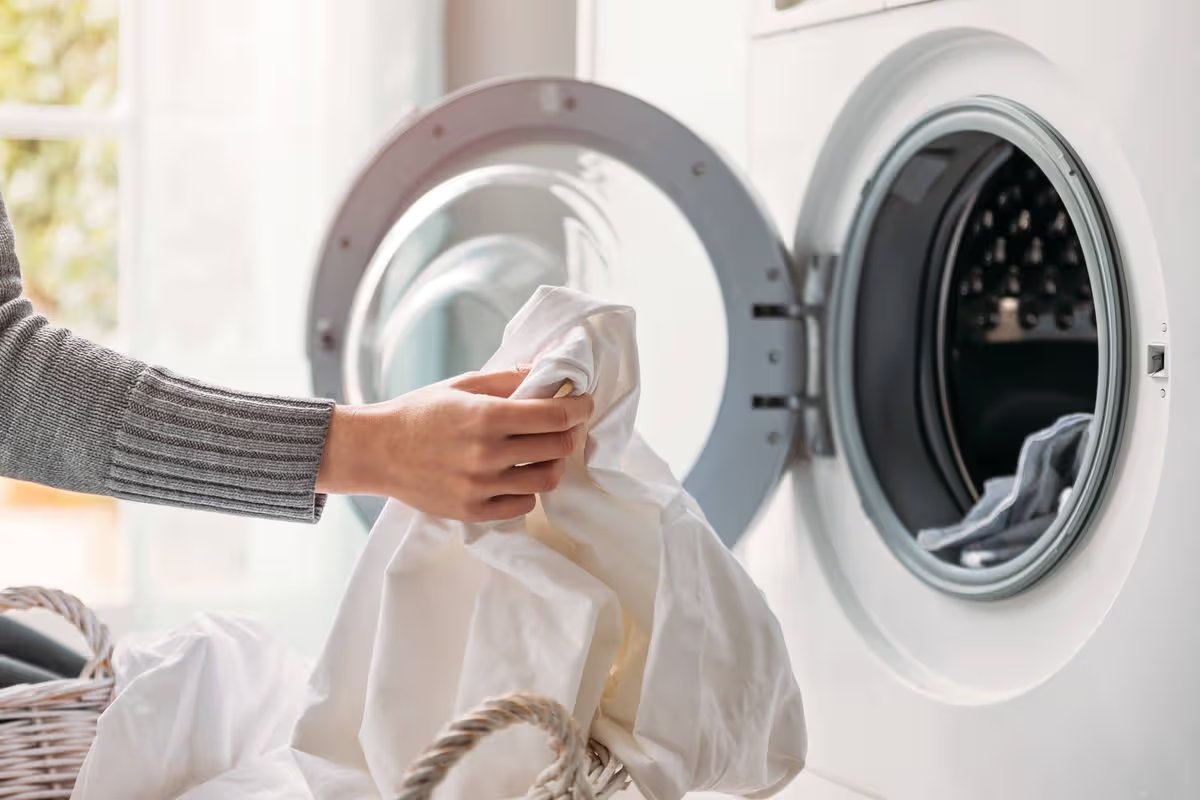
Never put the washing on at this time(Image: Cris Cantón via Getty Images)
Energy bills are far from cheap, and even during summer when the heating is switched off, certain appliances take a heavier battering. Dashing about in warmer weather means clothes become dirty and sweaty far more quickly, demanding more frequent washing.
But if your energy bill is steadily climbing, experts have revealed one of the most effective ways to keep it in check.
The priciest time to run your appliances is between 4pm and 7pm, when everyone arrives home and starts cooking, cleaning and putting the kettle on.
Gordon Wallis from Your NRG said: “A lot of households automatically put washing on in the early evening without realising that is usually when electricity demand is at its highest.
“Using appliances during off-peak periods can help reduce pressure on the grid and potentially lower energy costs for households on time-of-use tariffs.”
If you’re looking to trim your bill, it’s far better to run your washing machine later in the evening, first thing in the morning, or during the day when demand on the grid is considerably lower.
Summer also presents a fantastic opportunity to cut back on laundry costs — by ditching the tumble dryer altogether.
Gordon said: “One of the biggest savings people can make during summer is simply avoiding unnecessary tumble dryer use after washing clothes.
“Using outdoor drying where possible can significantly reduce electricity consumption across the warmer months.”
Switching to a cooler wash cycle can also help cut costs, as heating the water inside the machine consumes a considerable amount of energy.
It’s equally advisable to run fuller loads rather than several smaller ones, boosting overall efficiency in the process.
Gordon added: “People often focus on switching suppliers to save money, but changing everyday habits inside the home can also make a real difference.
“Simple adjustments to when and how appliances are used can help households keep summer energy bills under control.”