Speakers at an Islamabad energy seminar said Middle East tensions and Strait of Hormuz disruptions have exposed Pakistan’s vulnerability to external shocks. They called for targeted subsidies, transparent policymaking and faster investment in local and renewable energy.
ISLAMABAD: Parliamentarians, ministers and policy experts said on Wednesday that rising geopolitical tensions, especially the conflict in the Middle East and disruptions around the Strait of Hormuz, have highlighted Pakistan’s exposure to external energy shocks and reinforced the need for structural changes in the energy sector.
The calls were made at a seminar titled The Great Energy Debate: Way Forward for Fiscal Discipline, organised by the Sustainable Development Policy Institute (SDPI) and Express 24/7. Participants stressed the need for targeted subsidies, integrated energy planning, transparent policymaking and faster investment in domestic and renewable energy resources to help the country navigate fiscal and energy pressures.
Government stance on fuel supply and transition
Federal Minister for Petroleum Ali Pervaiz Malik said Pakistan had maintained uninterrupted fuel supplies despite what he described as unprecedented global pressure and volatility in crude oil prices. He said the government had handled the situation without adding to circular debt in the oil supply chain.
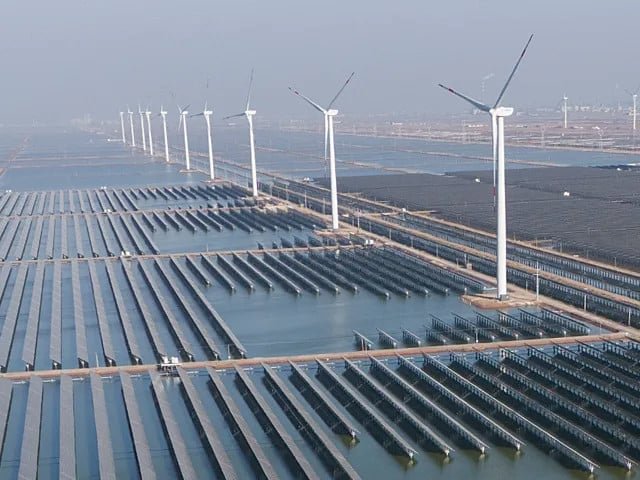
Referring to the broader energy mix, Malik said durable energy value chains could not rest on a single source and called for a practical, economically sustainable transition that balances conventional fuels with renewable energy. He also said Turkish Petroleum was working with local companies to explore new oil fields in Pakistan.
The petroleum minister said the country needed between $200 million and $300 million in investment to develop the infrastructure required for the expansion of renewable energy. He added that financial interventions were needed to strengthen energy infrastructure and strategic reserves.
Minister of State for Finance Bilal Azhar Kayani said the government’s priority was to diversify and indigenise the energy supply chain through hydel and solar sources. He said refinery upgrades were in progress to enable production of cleaner Euro V-compliant fuels.
Kayani also said electric vehicles were the future and that their adoption would rise through market forces if they became affordable for consumers.
Calls for targeted support and policy continuity
SDPI Executive Director Dr Abid Qaiyum Suleri said the discussion was taking place at a sensitive moment, with the federal budget being prepared under an IMF programme and regional tensions intensifying. He said the government had managed fuel supplies efficiently despite global uncertainty and noted that, unlike some countries in the region, Pakistan had not experienced fuel rationing.
Suleri said blanket subsidies should be replaced with targeted support mechanisms such as the Benazir Income Support Programme. He also urged policymakers to reassess Pakistan’s solar energy rollout, grid connectivity and long-term energy mix, saying the Middle East crisis was likely to speed up the global move toward nuclear, solar and other renewable energy sources.
He said energy had moved beyond being only an economic matter and had become a strategic issue requiring policy continuity, improved governance and greater dependence on indigenous resources. During a later panel discussion, he warned that supply shocks could deepen as inventories declined and said transparency in government policy and revenue decisions was necessary to restore public confidence.
Suleri also said the social protection net should be widened to include vulnerable middle-income groups that were increasingly being left out of relief measures.
Parliamentarians seek long-term reforms
MNA Dr Nafeesa Shah called for a new energy framework centred on sovereignty, local resources, renewable energy and equitable energy federalism. She said Pakistan was already dealing with economic and security pressures and that global energy shocks had made the situation more acute.
National Assembly Standing Committee on Finance Chairman Syed Naveed Qamar said there was no short-term fix for the energy crisis and that Pakistan would have to move toward clean and renewable energy through sustained policy reform.
Former federal minister Khurram Dastgir said the energy minister remained under constant pressure and that the government needed to pursue serious reforms in the sector.
Participants at the event agreed that Pakistan needed to urgently revisit its energy policy, saying energy security was now directly tied to national security and economic survival. Senior journalist Fahad Hussain said journalism should move beyond headlines and help the public understand global challenges, national security concerns and changing strategic energy routes.