The frozen Personal Allowance could leave more older people paying tax on their retirement income.
Finance experts have warned the recent rise to the State Pension under the Triple Lock is putting more pensioners on a collision course with income tax. The Triple Lock policy guarantees the State pension increases each year in line with earnings growth, Consumer Price Index (CPI) inflation rate or 2.5 per cent – whichever is highest.
The full New State Pension is now worth £12,547 over the 2026/27 financial year. However, the uprating leaves just £36 before the Personal Allowance income threshold of £12,570 is exceeded which would see more pensioners with any additional income pay tax in retirement.
While the annual uplift has been welcomed after years of high inflation, the continued freeze on tax thresholds until April 2031 means the gap between the State Pension and the tax-free limit is narrowing quickly.
READ MORE: DWP start date for tax on State Pension paymentsREAD MORE: Retirement tax checks everyone approaching State Pension age should make now
This is a sharp change from a few years ago. In the 2021/22 tax year, pensioners could earn more than £3,200 on top of their State Pension before crossing the tax threshold.
New analysis by Vanguard shows the impact is already being felt. The number of taxpayers aged 66 and over has jumped from 6.7 million in 2021/22 to 8.8m in the last tax year – an increase of nearly 2.1m people.
James Norton, head of retirement and investments at Vanguard, warns the latest State Pension rise is likely to push even more retirees into the tax system, particularly those with small private pensions or savings income.
He explained: “The value of the Triple Lock is clear, with the inflation-busting increase confirmed.
“Our analysis shows that those receiving the full new State Pension are almost £1,300 better off compared to if there was just an inflation link in place.
“But with the Personal Allowance frozen, many pensioners will find they are paying tax for the first time or paying more than expected. A considered approach to retirement income is essential to avoid unnecessary tax.”
It’s important to be aware anyone whose sole income is the State Pension will not pay income tax. However, the full, New State Pension is on track to exceed the Personal Allowance in the 2027/28 financial year.
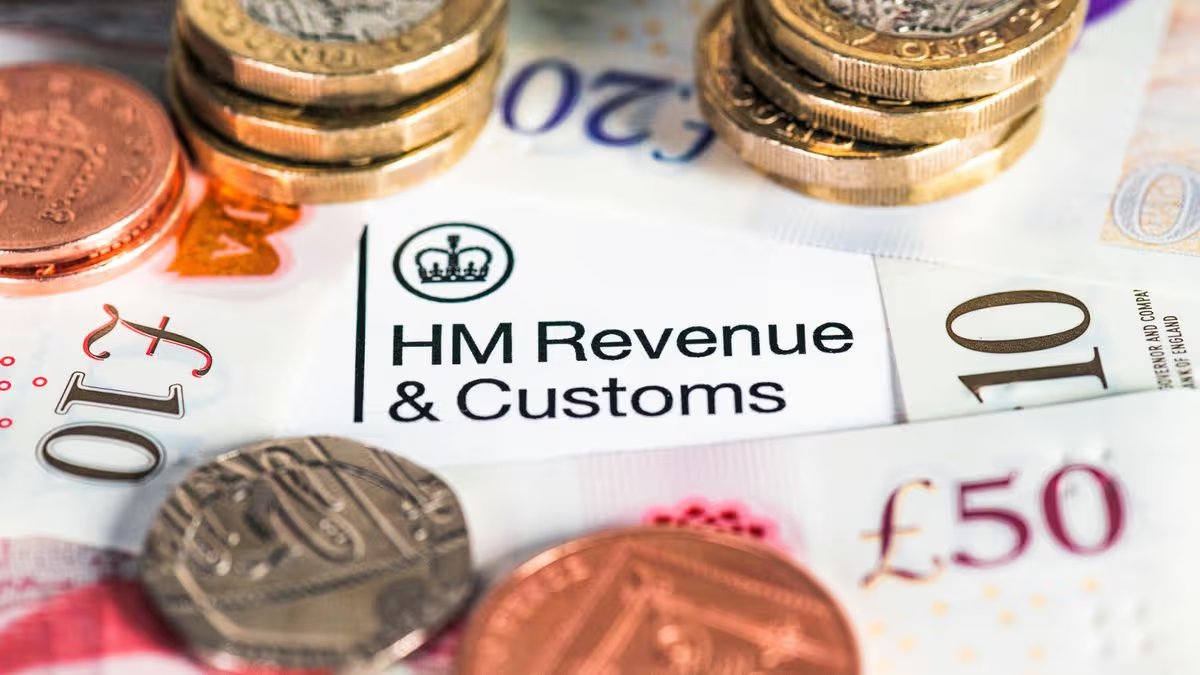
The UK Government recently confirmed new measures will be put in place by HM Revenue and Customs (HMRC) this year to ensure pensioners – whose sole income is the State Pension – will not need to complete a Simple Self Assessment tax return if their payment takes them over the Personal Allowance threshold of £12,570.
The issue is being driven by what is often described as ‘fiscal drag’, where people are pulled into paying tax not because rates have increased, but because thresholds have stayed the same while incomes rise.
While most retirees have additional income from private or workplace pensions, those relying mainly on the State Pension could still feel the impact if even a small portion becomes taxable.
With further State Pension increases expected, the pressure created by frozen tax thresholds is likely to remain a key issue for retirees planning their finances.
State Pension and tax
Guidance on GOV.UK states: “You pay tax if your total annual income adds up to more than your Personal Allowance. Find out about your Personal Allowance and Income Tax rates.
Your total income could include:
- the State Pension you get – Basic or New State Pension
- Additional State Pension
- a private pension (workplace or personal) – you can take some of this tax-free
- earnings from employment or self-employment
- any taxable benefits you get
- any other income, such as money from investments, property or savings
Check if you have to pay tax on your pension
Before you can check, you will need to know:
- if you have a State Pension or a private pension
- how much State Pension and private pension income you will get this tax year (April 6 to April 5)
- the amount of any other taxable income you’ll get this tax year (for example, from employment or state benefits)
You cannot use this tool if you get:
- any foreign income
- Marriage Allowance
- Blind Person’s Allowance
Use this online tool at GOV.UK to check if you have to pay tax on your pension. The full guide to tax when you get a pension can be found on GOV.UK here.