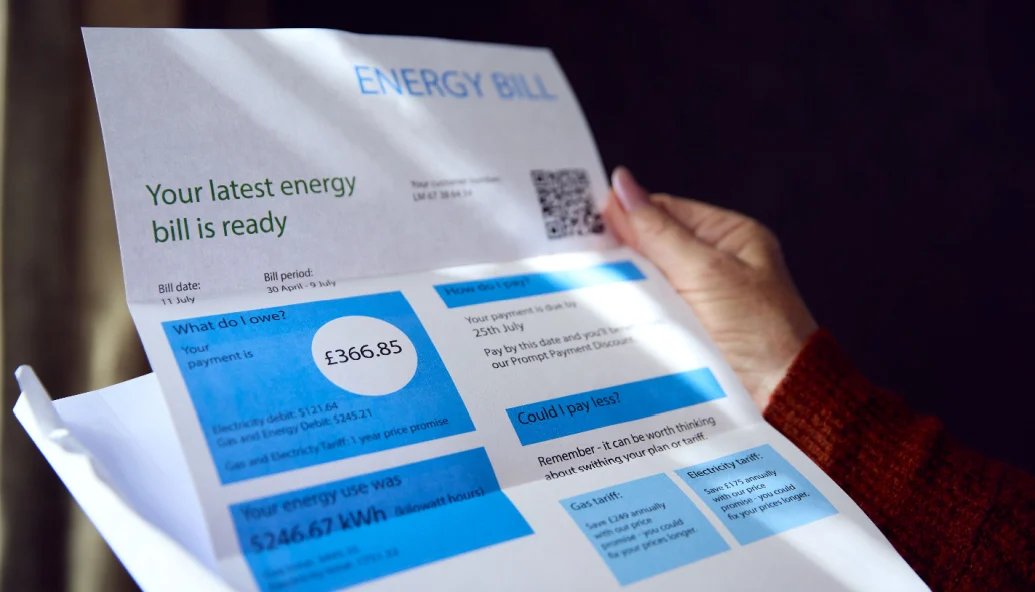
Energy bills are forecast to rise by £209 from July as the fallout from the Iran conflict continues to push up wholesale energy prices.
Cornwall Insight’s final forecast for the July to September 2026 price cap puts a typical dual fuel household bill at £1,850 a year, up from the current £1,641.
That would mean a 13% increase in the default tariff cap and a fresh blow for households already under pressure from higher living costs.
The consultancy said the main driver was a sharp rise in wholesale prices during February and March, after US and Israeli missile strikes on Iran and retaliatory attacks damaged Gulf energy infrastructure.
The crisis also triggered the closure of the Strait of Hormuz, one of the world’s most important energy shipping routes and a passage for around 20% of global oil and gas.
A temporary ceasefire brought some stability to markets but prices remained high throughout the observation window used to calculate the summer cap.
That has pushed the July forecast more than £200 above the current level.
Cornwall Insight said the summer rise will frustrate households but the immediate impact may be softened because energy use typically falls during warmer months.
The bigger concern is October. That is when demand starts to rise again and current forecasts point to the cap staying at a similar level to July.
Even if the Middle East conflict ended immediately, damage to energy infrastructure and the lingering impact of disrupted supply mean a return to April’s price cap level by autumn now looks unlikely.
Craig Lowrey, Principal Consultant at Cornwall Insight said : “A summer rise will be painful for households, but the bigger concern is October when household demand traditionally picks up. If the cap stays at a similar level as July, that is when the Government will need to think seriously about targeted support for the most vulnerable.”
The forecast comes as Ofgem considers changing its definition of an average household to reflect falling typical energy consumption. If the regulator adopts lower typical domestic consumption values, the headline average bill figure may appear to rise by less.
But Cornwall Insight stressed that the cap controls unit rates and standing charges, not a fixed total bill.
That means what households actually pay will still depend on how much energy they use.
Copyright © 2026 Energy Live News LtdELN