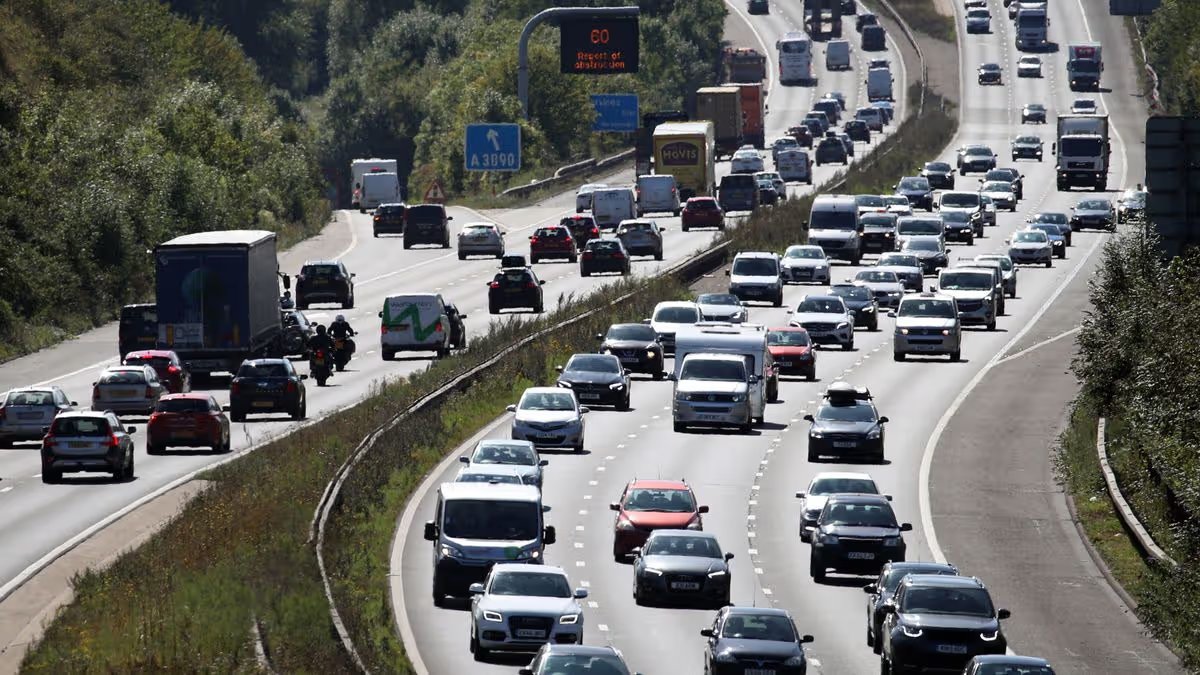
Among the cars which are now tax free following Vehicle Excise Duty changes include some which were seen extensively across the UK’s roads

Drivers are being warned about changes to car tax rules(Image: PA)
A major change to car tax rules means that a number of vehicles on UK roads can now be tax free. The changes were introduced in April this year.
But, while some drivers may not have to pay tax any more, they still need to take action. It comes as a campaign is growing to take a look at older, reliable vehicles which are being increasingly scrapped as high tax rates due to slightly more powerful engines, mean owners are being asked to pay almost the value of the car every year.
From April, a raft of vehicles which were built 40 years ago will become ‘classics’ meaning they don’t pay car tax any more. Vehicles in the UK over 40 years old are exempt from paying Vehicle Excise Duty (VED), or “road tax,” on a rolling basis, provided they are not used commercially. This comes as ChronicleLive previously reported how UK drivers will be hit with an increase in car tax bills this year.
As of 1 April 2026, vehicles built before 1 January 1986 are exempt from tax. Owners must still tax their vehicles, even if the fee is £0. Some of the cars which are now tax free include some which were seen across the UK’s roads and literally sold millions, reports the Express.
Top cars sold in UK in 1986
- Ford Escort: The market leader.
- Ford Sierra: Gaining popularity, frequently second in sales.
- Austin Metro: Top British Leyland seller.
- Vauxhall Cavalier: Key competitor to the Sierra.
- Ford Fiesta: Popular supermini.
- Vauxhall Astra: Strong competitor in the family car market.
- Ford Orion: Saloon version of the Escort.
- Austin Montego: Representative of the Austin Rover range.
- Austin Maestro: Mid-range hatchback.
- Ford Granada: Executive car choice
In order to make the car exempt, a driver must formally reclassify the vehicle as “historic” with the DVLA. On 1 April each year, the exemption advances, allowing older vehicles to qualify.
The vehicle must be over 40 years old, and no “substantial changes”, such as chassis, body, or engine changes, can have been made within the last 30 years. Vehicles over 40 years old that haven’t been substantially changed are also exempt from MOT testing. The exemption does not apply to vehicles used for commercial purposes such as hired cars.
It comes as support for a petition has grown. On the parliament website, almost 50,000 people have signed up for calls to change the tax bands on cars which are more than 20 years old. This is half way to the 100,000 total needed for it to be considered for a parliamentary debate.
It says: “Reduce Vehicle Excise Duty by 50% for vehicles aged 20 to 39 years. Introduce a 50% VED reduction for cars aged 20–39. High taxes force functional vehicles to be scrapped, creating a “disposable” culture. Keeping existing cars is greener than building new ones, as it preserves embedded carbon. This “Young-Timer” bracket supports the circular economy and UK heritage.
“Manufacturing a new car creates massive carbon debt. We must move from a “disposable” car culture to a circular economy. Keeping a functional 20-year-old car on the road is often greener than building a new one, as it preserves the embedded carbon already spent. Current VED rates force many well-maintained cars to be scrapped prematurely. We call for a 50% “Transition to Historic” tax discount to encourage repair, support the UK heritage industry, and reflect the low mileage of modern classics.”
But because these cars are now worth very little – often under £1,500 – the annual tax bill can represent 25-50% of the car’s total value and people are getting them scrapped. It means that cars which produce more than 225g of CO2 emissions per kilometre are hit by Vehicle Excise Duty (VED) – with those producing 226-255g/km £760 and over 255g/km £790, rising in April 2026.
New 2026-2027 car tax rates for vehicles registered between March 1, 2001, and April 1, 2017
- Up to 100g/km – £20
- Between 101 and 110g/km – £20
- Between 111 and 120g/km – £35
- Between 121 and 130g/km – £170
- Between 131 and 140g/km – £200
- Between 141 and 150g/km – £225
- Between 151 and 165g/km – £275
- Between 166 and 175g/km – £325
- Between 176 and 185g/km – £360
- Between 186 and 200g/km – £410
- Between 201 and 225g/km – £445
- Between 226 and 255g/km – £760
- Over 255g/km – £790
As the petition has surpassed 10,000 signatories, the Treasury has issued a response. It stated: “The Government has no plans to reduce Vehicle Excise Duty liabilities for vehicles aged 20 to 39 years. The Government keeps all taxes under review and the Chancellor makes decisions at fiscal events.
“Revenue from motoring taxes helps ensure we can continue to fund the vital public services and infrastructure that people and families across the UK expect. For example, by 2029/30, the government will commit over £2 billion annually for local authorities to repair, renew and fix potholes on their roads – doubling funding since coming into office. This record level of funding will enable the government to exceed its manifesto commitment to fix an additional 1 million potholes per year by the end of the Parliament.”
Did you know you can make ChronicleLive a preferred source of North East news in Google, which will mean you get more of our breaking news, exclusives, and must-read stories straight away? Here’s more information about what this means and how to do it – you can also do it straight away by clicking here.