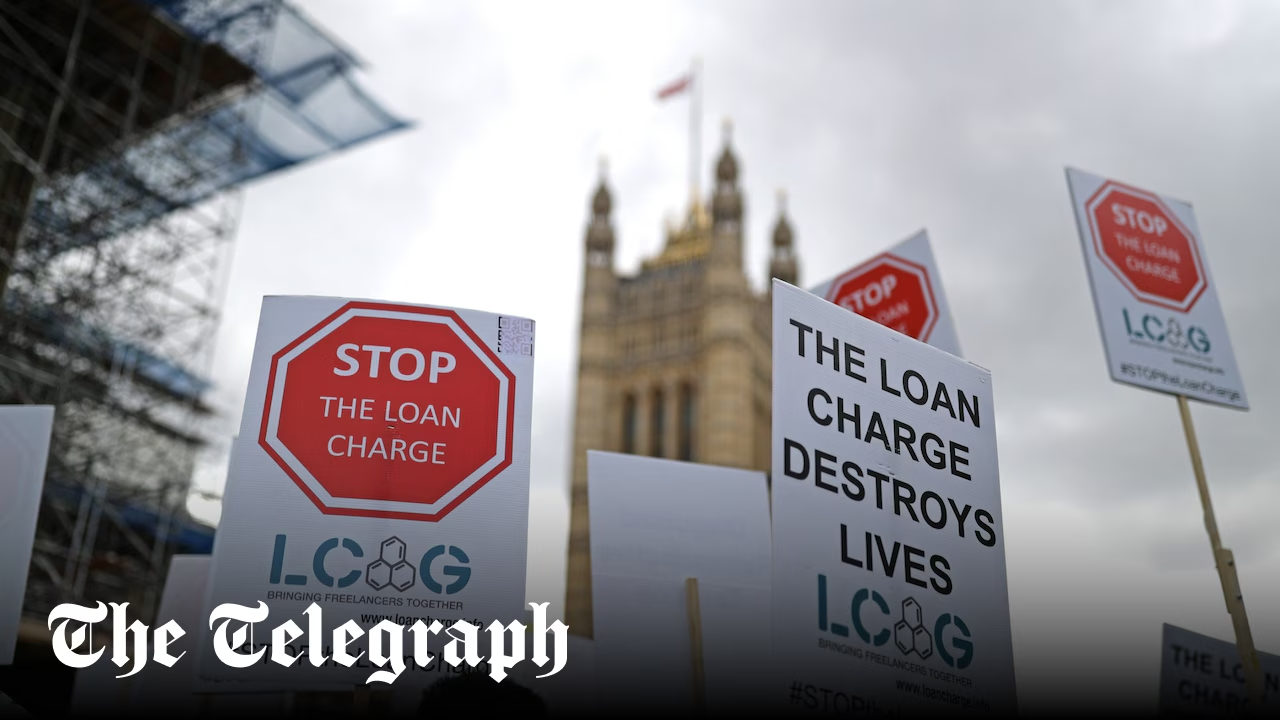
The Loan Charge and Taxpayer Fairness group of 156 MPs and Lords, which highlighted the figures, has called for a public inquiry into the tax office’s approach, which it called “a profound failure”.
Around 50,000 individuals used “disguised remuneration” schemes – which were promoted by employers and accountants – to receive their salaries in the form of loans in order to avoid income tax and National Insurance.
Many say they believed the schemes involved did not break any rules at the time and were approved by HMRC.
Over the past seven years, the charge has hit workers with crippling tax bills worth tens of thousands of pounds, and been linked to 11 suicides.
Following the independent review published in November, HMRC said it had agreed a new settlement offer and that it was working with those affected.
Settlements will be lowered up to a maximum reduction of £70,000, with late payment interest written off. Fees that were paid to the promoters of the schemes will be taken into account, reducing the liability by up to a further £10,000. Individuals will also be able to pay the amount over five years.
Sir Jacob Rees-Mogg, a former Tory cabinet minister, said: “Retrospective action is completely unconstitutional. HMRC didn’t have any objections at the time, and it’s extremely unfair that it’s now deemed that [the schemes are] not allowed.
“Innocent taxpayers killed themselves because of a disgraceful and unfair administration of tax, when they thought they’d done something perfectly legitimate. HMRC should have gone after the promoters of the schemes if they thought they were wrong.”
Greg Smith, MP for Mid Buckinghamshire, said: “All along, HMRC has been targeting the wrong people and yet even now, the Labour Government is still only pursuing people that are victims of mis-selling, while doing nothing to recover the millions made by those who mis-sold these schemes, which is shameful.”
Last July, MPs accused the taxman of cutting secret deals with large companies and agreeing generous settlement terms, while independent contractors received life-changing bills.
A spokesman at the time said that HMRC “didn’t recognise the claims”.