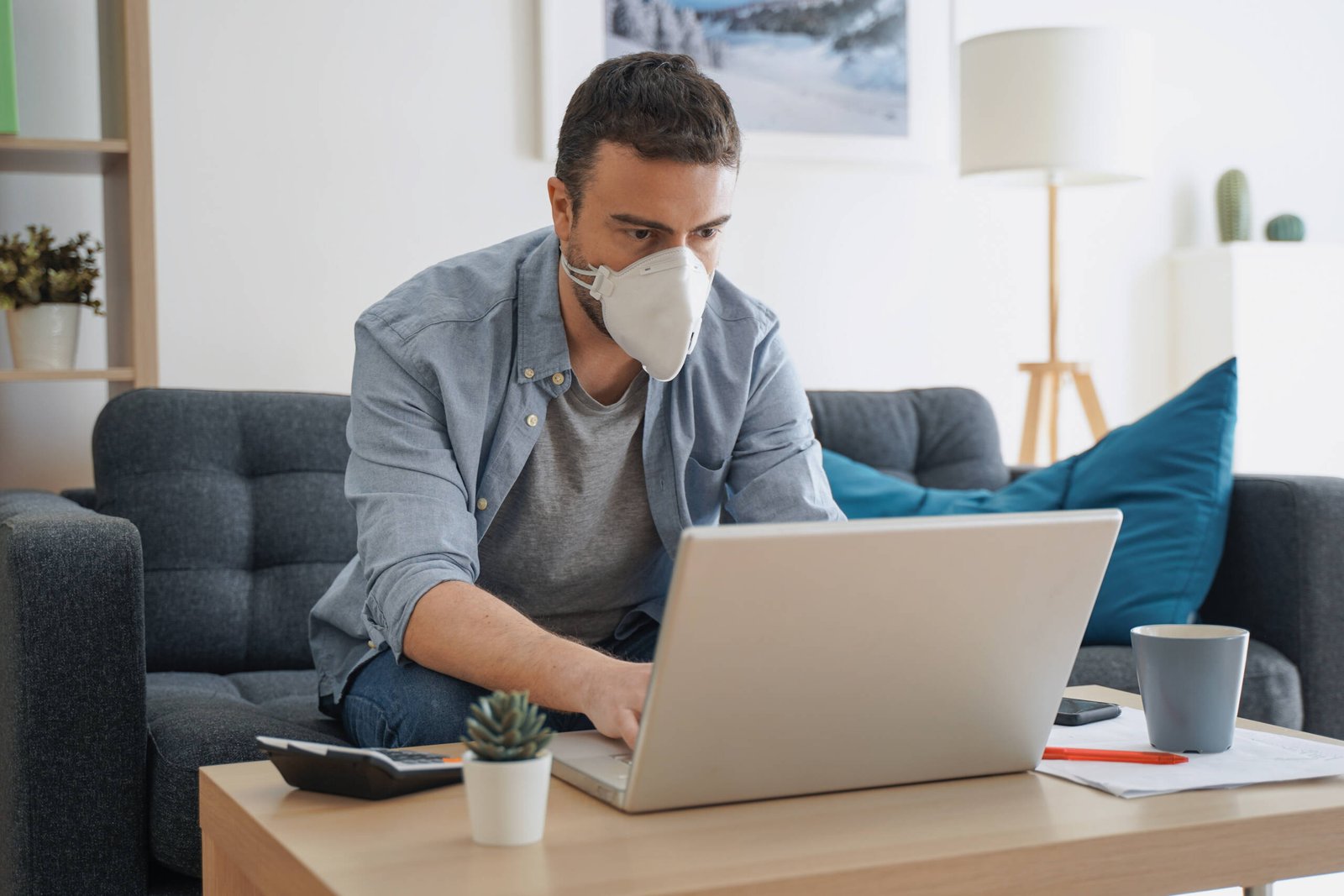
The Ministry of Healthy and the Public Health Department are advising residents to take proactive steps to reduce the spread of respiratory and viral illnesses circulating in the community.
In a press release issued on 31 March, the ministry and the department said, “At certain times of the year, circulation of respiratory and viral illnesses is expected. These illnesses are generally mild; however, they can spread easily across households, schools, workplaces and other shared environments if preventive measures are not consistently practiced.
“This advisory is being issued to reinforce early action and reduce the potential for wider community transmission.”
Respiratory and viral infections are commonly transmitted through coughing, sneezing, close personal contact or contact with contaminated surfaces. In many cases, transmission occurs within households, making it especially important for individuals to adopt preventive behaviours both at home and in public settings.
Dr. Samuel Williams-Rodriguez, medical officer of health, said, “Consistent preventive behaviours, at both the individual and household level, are critical in reducing transmission and protecting those most at risk.”
The release added, “Persons experiencing symptoms such as fever, cough, sore throat, runny nose, rash or general unwellness are advised to remain at home and limit contact with others until symptoms improve.”
Parents are also being reminded to keep children who are unwell home, even if they are not presenting with a fever. Particular care should be taken to avoid exposing young infants, older adults and persons with underlying health conditions.
Residents are encouraged to seek medical advice if symptoms are severe, persist or if there are concerns about breathing difficulties, prolonged fever or illness in young children.
Vaccines
Chief Medical Officer Dr. Hilary Wolf said, “While seasonal increases in respiratory illnesses are expected, this is a good time to remind parents to ensure that their children’s vaccinations are up to date.”
She added, “Recent events, including the identification of influenza ‘subclade K’ starting the flu season earlier in the Northern Hemisphere, and the recent UK meningitis outbreak, have highlighted the importance of vaccines. … Vaccination remains a key preventive measure as it is essential in minimising spread of illness and protecting the wider community.”
How to reduce the spread of illness
The ministry and Public Health said they will continue to monitor trends closely and provide guidance as needed. They have also listed steps to reduce the spread of illness.
- Practise good hand hygiene – Wash hands frequently with soap and water for at least 20 seconds.
- Cover coughs and sneezes – Use a tissue or elbow and dispose of tissues properly.
- Stay home when unwell – Avoid contact with others until symptoms improve.
- Clean and disinfect surfaces – Focus on high-touch areas, such as phones, toys and doorknobs.
- Avoid close contact when symptomatic – Limit physical contact and sharing items.
- Promote healthy habits in children – Encourage handwashing and avoiding face-touching.
- Ensure vaccinations are up to date – Follow recommended immunisation schedules.