
Energy drinks are a multi-billion dollar industry, with over half of the world having tried one at some point and over 20 percent drinking them weekly.
This is a huge number of people who have at some point chugged an energy drink.
What many are unaware of however is just what effect this will have on their health beyond the brief boost of energy.
Who among us hasn’t decided that knocking back a can during a late-night studying session wasn’t worth it, or that a caffeinated drink would help stay awake during an early trip to the airport, but the effect is actually shockingly negative, according to an expert.
The Institute of Human Anatomy, a private cadaver laboratory that educates professionals on human anatomy and physiology using cadavers, released a video back in 2023 in which they explain what happens inside the body when you drink an energy drink.

If you drink large amounts of energy drinks it’s worth being cautious (Getty Stock)
Presented by Justin Cottle, the Institute’s former Lab Director, the YouTube video explains that the effect of energy drinks is largely down to their two most commonly found ingredients: sugar and caffeine.
Cottle explains that, while the effects are not unique to energy drinks, they are the most easily accessible and common way of the two becoming combined.
Caffeine and adenosine receptors
Consumption of caffeine blocks receptors in the brain known as adenosine receptors, which can have negative effects as a result.
Adenosine receptors are found throughout the brain, with a molecule called adenosine binding to them to send a signal to your brain that you’re feeling drowsy.
Caffeine mimics this, fitting into the receptor but not activating it, stopping the signal from being sent saying you’re tired.
Cottle explains: “By not activating it, the brain doesn’t receive that drowsy signal. And so you then are left feeling energized despite not actually being given any energy. You just don’t feel drowsy.
“But here’s the problem. The caffeine will wear off and when it does, the adenosine that has been getting produced all throughout the brain’s tissue is going to pile onto those receptors.
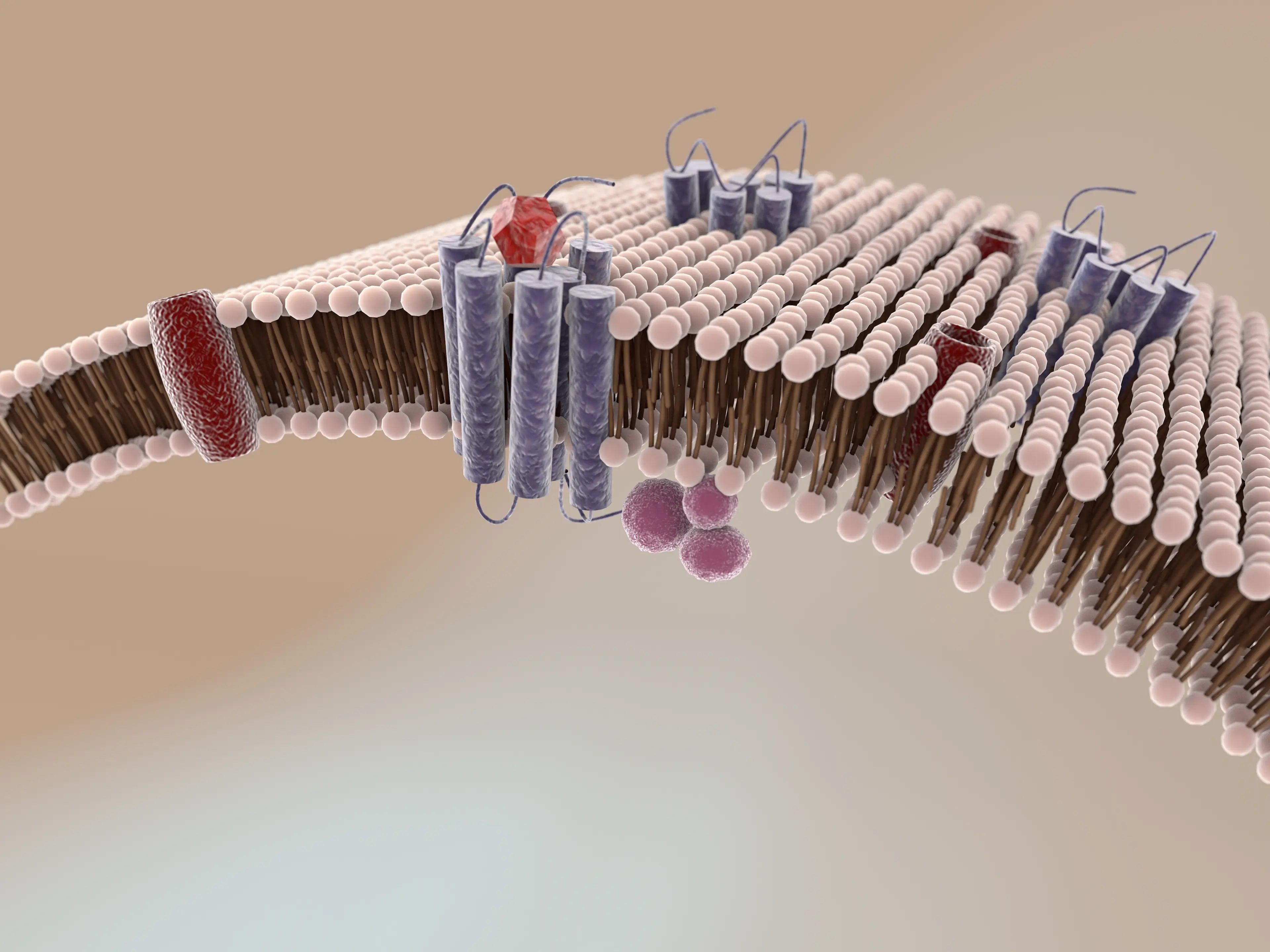
Adenosine receptors at work (Getty Stock)
“When it does, just picture all these zooming signals going throughout the brain saying, ‘I’m tired, I’m tired, I’m tired, I’m tired’. And that, ladies and gentlemen, is what we call the crash or that energetic crash.”
The fight-or-flight response
In addition to this, the consumption of caffeine triggers the pituitary gland and adrenal glands, something that causes epinephrine (adrenaline) and norepinephrine (part of the body’s fight-or-flight response) to be released.
This triggers fight-or-flight in the brain when consumed in high doses, leading to an increased heart rate but without the fight or flight to justify this.
This can sometimes lead to cardiovascular issues, particularly when energy drink consumers already have a fairly sedentary lifestyle or existing cardiovascular problems.
Fight-or-flight also pushes our body away from its ability to rest and digest, body systems that are generally considered unnecessary if under attack and needing to fight or run away.
The impact of sugar
The other aspect of energy drinks is sugar, which is a very simple issue that many are likely already aware of.
Sugar activates our reward system of dopamine, with Cottle saying: “Sugar, despite what the internet will tell you, in and of itself is not bad, but too much sugar can be very, very bad for you.”
Sugar is broken down into glucose and fructose during digestion and stored as fat. This can influence your metabolism, and Cottle even stated there is ongoing research into links with metabolic and brain disorders.

Justin Cottle, formerly of the Institute of Human Anatomy (YouTube)
Ultimately, he stressed that it’s not about energy drinks themselves, but about your consumption and other habits. He said: “It is important to understand that toxicity and health consequences on the whole are about the dose, not about the substance itself.
“The problem is, I see it with energy drinks really comes down to the quantity, frequency, and timing with which they’re consumed as well as the demographics that are most likely to consume them.
“If you’re the type of person that can have an energy drink every once in a while, again, I don’t really see a big problem with that, generally speaking.
“But if you’re eating a ton of highly processed foods, not exercising, or have other serious health concerns, adding even one energy drink honestly may just compound the problems you already have.”