In a recent move, Australian Prime Minister Anthony Albanese has decided to ease mounting pressure on households and businesses as global fuel prices surge, unveiling a temporary cut to petrol taxes while warning that broader ‘energy lockdown’-style measures could still be on the table.
The announcement comes amid a deepening global supply shock tied to escalating tensions in the Middle East, with disruptions around the Strait of Hormuz pushing oil prices higher and triggering panic buying at home.
While officials insist Australia is not facing an immediate shortage, the government’s latest move underscores how quickly the crisis is forcing nations to balance economic relief with contingency planning.
Immediate Relief At the Pump
The government confirmed it will halve the fuel excise on petrol and diesel for three months, cutting prices by 26.3 cents per litre starting this week. For motorists, that translates to roughly A$17–19 (£9–11) in savings on a standard tank.
Australia’s fuel excise will be halved for the next three months in an effort to tackle skyrocketing prices, Prime Minister Anthony Albanese has announced. The change will reduce the cost of fuel by about 26c per litre.
During Monday’s meeting, national cabinet also agreed to… pic.twitter.com/hbMyFyiKPj
— 7NEWS Australia (@7NewsAustralia) March 30, 2026
The package, costing about A$2.55 billion (£1.3 billion), also eliminates the heavy vehicle road user charge over the same period — a move aimed at easing pressure on the trucking and logistics sector.
Standing alongside Treasurer Jim Chalmers and Energy Minister Chris Bowen, Albanese framed the decision as targeted, temporary relief.
‘The spike in fuel prices… is hurting Australians and causing financial stress,’ the government said, adding the goal is to keep the economy moving during a critical travel period.
Why The Crisis Is Escalating
The move follows a rapid escalation in global energy markets, with oil prices climbing above $100 (£75) per barrel after disruptions linked to conflict involving Iran and restricted movement through the Strait of Hormuz, a key artery for roughly a fifth of global oil supply.
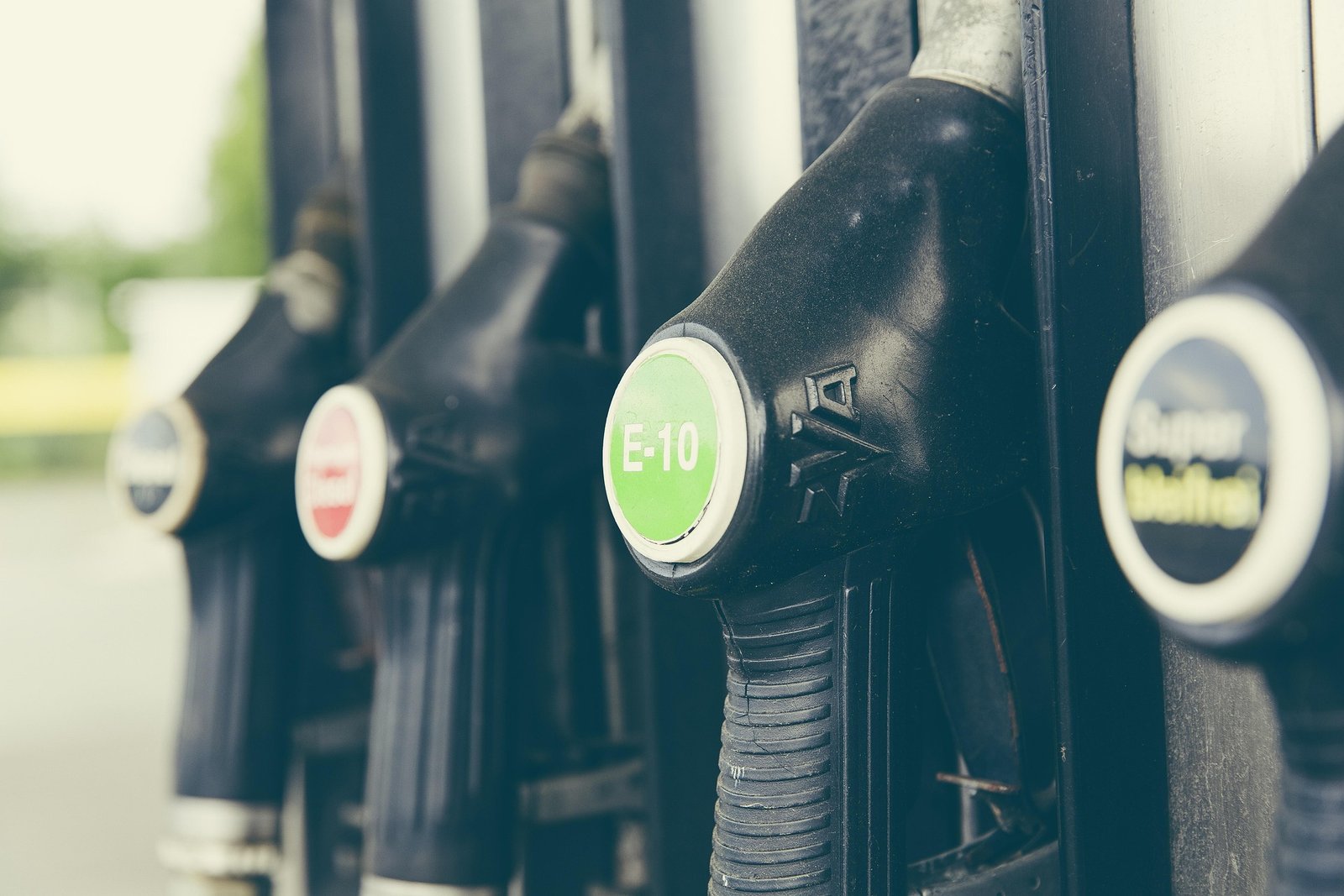
Talpa/Pixabay
Australia, which relies heavily on imported fuel, has been particularly exposed. Officials say supply levels remain stable — roughly 30 to 39 days depending on fuel type — but demand has surged as consumers rush to fill tanks.
More than 500 service stations have reported running out of at least one fuel type in recent weeks, particularly in regional areas.
To stabilise the situation, the government has already released part of its reserves, relaxed fuel standards temporarily, and begun coordinating distribution nationwide.
What ‘Energy Lockdown’ Actually Means
Despite the alarming phrase, no formal lockdown has been introduced. Instead, the term reflects a set of contingency measures recommended by the International Energy Agency that governments may deploy if conditions worsen.
According to reports, the Agency has described the situation as the largest oil supply disruption on record. The scale is notable not just for the price spike, but for the volume of supply removed from the market in a short period of time.
Pixabay
For Australia, state leaders agreed on a four-stage fuel security plan — currently at stage two — focused on keeping the country moving while preparing for escalation.
Later stages could include voluntary or targeted steps to reduce fuel use, such as encouraging remote work, limiting non-essential travel, or adjusting driving patterns. Stronger interventions remain a last resort.
Energy experts, including International Energy Agency chief Fatih Birol, have warned that demand reduction may become unavoidable if global supply disruptions continue.
Balancing Relief With Risk
While the excise cut delivers immediate cost-of-living relief, some economists and business groups caution it could unintentionally drive higher demand at a time when supply chains are already under strain.
The government has attempted to counter that risk by directing regulators to ensure fuel retailers pass on the savings and by increasing penalties for price gouging.
For now, officials insist there is no need for rationing, and Albanese has urged Australians not to panic buy or cancel travel plans. But the situation remains fluid, shaped largely by global developments beyond Australia’s control.
If disruptions in key shipping routes persist, pressure could build for deeper intervention by late April or May, bringing the more restrictive elements of the fuel security plan into sharper focus.