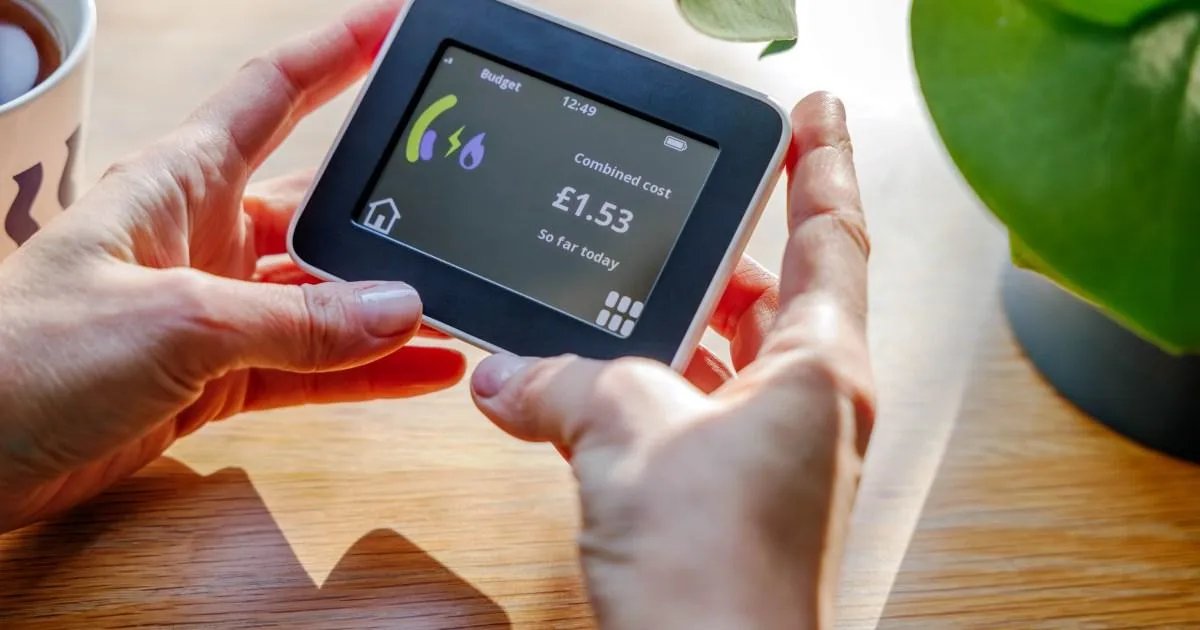
Households are set to see money shaved off their energy bills this spring as part of a pledge to bring costs down.
With the spring almost upon us, people are desperate to spend less on heating and electricity.
And some respite is on the way as the Ofgem energy price cap will drop by 7% from April 1, meaning slightly cheaper bills each month.
The energy regulator’s price cap, which controls how much you can be charged, will drop from the current £1,758 to £1,641, a reduction of £117.
Here is a roundup of what that means for consumers’ wallets.
How much will energy bills fall by?
A typical household using electricity and gas will see its bills slashed by £117 for three months, or around £10 per month.
This will come into force from Wednesday, April 1, 2026.
However, this less than people were first promised in November by the Chancellor, when the cut was expected to be around £150.
What bills are covered by the energy price cap?
The discount will depend on the size and type of your household, location, building type, how much energy you consume and even how you pay the bills.
The price cap applies only if your bills say you’re on the standard variable tariff, which more than half of UK households are, if you never switched tariffs, or if your deal ended and you did nothing.
Those on a fixed or special tariff will not usually benefit from the price cap change directly.
However, some fixed tariffs can be lower than the energy price cap, so it might be worth shopping around for the best rates, according to Money Saving Expert Martin Lewis.
Lewis said: ‘That’s by far the simplest way to save. The cheapest fixes currently are 14% less than the current price cap. And as they will drop in April by in many cases more than the price cap that differential will remain.’
He urged people to use comparison sites to check the cheapest option based on their location.
What is the energy price cap?
The energy price cap is a regulatory limit on the maximum amount energy suppliers can charge customers for their energy usage.
It was introduced by Ofgem in January 2019 to protect consumers, particularly those on standard variable tariffs, from excessively high energy prices.
The cap, which is reviewed every three months, limits the amount that suppliers can charge for each unit of gas and electricity, as well as the daily standing charge that customers pay to have their homes connected to the energy grid.
It applies to the majority of households in England, Scotland, and Wales that are on standard variable or default tariffs.
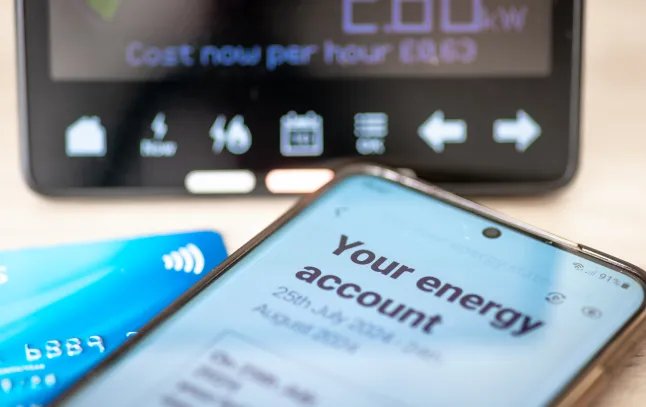
You should submit your meter readings before April 1 if you are on these tariffs and still without a smart meter.
Sir Keir Starmer said: ‘Energy bills are at the front of everybody’s mind and I know they’ve been too high for too long.
‘I promised to bring bills down and I meant it. And today, because of the actions this Government took at the last budget, the price cap on energy bills has come down by £117.
‘That means lower energy bills for millions across the country. But I know there is more to do and my Government is pulling every lever to bear down on the cost of living and protect the pound in the pockets of working people.’
However, campaigners said the upcoming fall is not enough.
Citizens Advice’s chief executive Dame Clare Moriarty said: ‘A fall in energy prices is welcome but for many people bills remain stubbornly high. For millions of households this has stopped being a temporary hardship and become an ongoing threat to their financial stability.
“The divide between those who can and cannot keep their homes warm and safe demands urgent action. Too many people, particularly those with disabilities, families with children, and renters, remain trapped in cold, damp homes they cannot afford to heat
Why is the energy price cap changing?
The reduction comes after policy and tax changes, including the Renewables Obligation.
The government will cover 75% of it for the next three years from tax payments instead of it being passed onto consumers in full.
The obligation subsidises companies to get more of their energy from renewable sources.
Chancellor Rachel Reeves also scrapped the Energy Company Obligation (Eco) scheme, which previously added to consumer prices.
Are energy bills too high in the UK?
But the reduction has been offset by rising network costs shouldered by companies, including investments into power and gas grids.
The government and opposition are at loggerheads over tax changes, which impact energy production and its costs.
While the Energy Secretary, Ed Miliband, vowed that the price cap will ‘make a difference to people,’ the Conservatives criticised the government’s move to fund the Renewable Obligation from the general tax pot, calling them ‘extortionate subsidies.’
Claire Coutinho MP, the shadow Energy Secretary, accused the government of ‘pulling the wool over people’s eyes by moving some costs off of your energy bill and putting them straight onto your tax bill.’
Get in touch with our news team by emailing us at webnews@metro.co.uk.
For more stories like this, check our news page.
MORE: Martin Lewis warns 2,000,000 married Brits are missing out on £1,260 tax break
MORE: Kemi Badenoch accepts Martin Lewis’s apology after he ‘gatecrashed’ ITV interview
MORE: London Underground prices are going up next week – how much will your Tube travel cost?