A taxpayer contacted HMRC as they had seemingly paid the wrong amount of tax

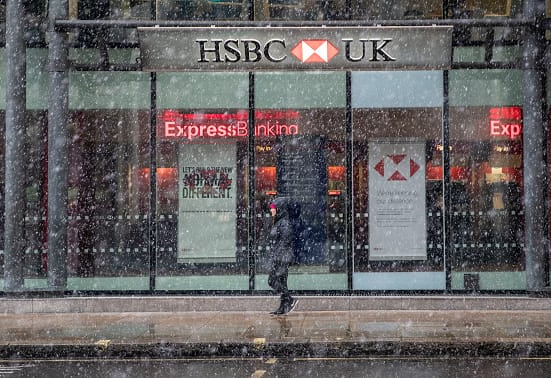
HMRC has clarified its tax rules(Image: Getty)
HMRC has provided clarity on one of its tax rules after it emerged that you might pay a different amount of tax than your records indicate. The issue arose following contact from a concerned taxpayer who believed they had paid an incorrect amount of tax.
Posting on social media, the individual said they were baffled after receiving a tax rebate, only for their tax code to be altered because “you [HMRC] predicted I won’t be paying enough tax for this year”. HMRC replied, asking whether the refund they had received related to a previous tax year or the current one.
The person confirmed it concerned a previous tax year. They reiterated their confusion, stating they “don’t understand how I can overpay/underpay”.
HMRC responded by explaining what might have occurred. It explained: “In general, something has happened during the tax year that wasn’t accounted for in the tax code.”
The tax authority highlighted another important principle when it comes to tax codes. The organisation said: “Remember tax codes are based on a prediction of what taxable income you’ll get, so are only ever an estimate.”
Your tax code determines how much is deducted from your employment earnings or pension income. You can locate your current tax code on a recent payslip. Alternatively, you can check it through your personal tax account on the Government website or via the HMRC app.
A benefit of checking through your tax account or the HMRC app is that you can also discover what your tax code was for previous tax years. Through these systems, you can also register for paperless notifications, meaning HMRC will email you if your tax code is altered.
HMRC can change your tax code if your earnings or other circumstances shift. For instance, if you begin a new job or start receiving taxable benefits your tax code might be adjusted.
You may also notice your tax code alter if your weekly state pension amount rises. HMRC may also modify your tax code if you were previously on an incorrect tax code and you owe an amount.