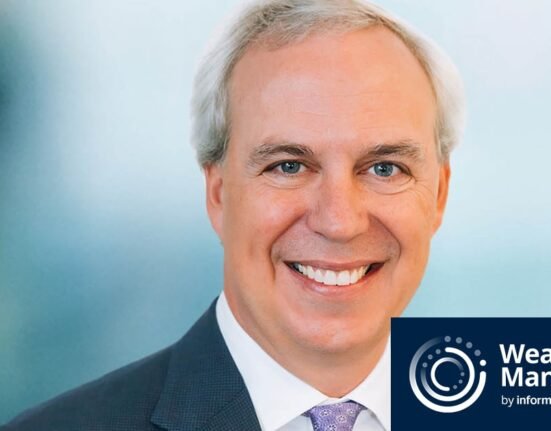
Ludovic Subran, Chief Investment Officer at Allianz, and Christian Kroll, Visiting Professor at the London School of Economics (LSE), highlight in a World Economic Forum report that the insurance industry has a central role to play in addressing climate risks, economic instability, and social inequalities.
 The Forum notes that while skepticism about Environmental, Social, and Governance (ESG) strategies has grown, this context offers insurers a chance to align sustainable practices with their business models. The World Economic Forum’s research explains that the insurance sector is uniquely exposed to climate change in its operations, giving it an opportunity to set an example for other industries.
According to the Forum, a “virtuous cycle of profitable insurance and resilient sustainability is possible,” where addressing climate risks can reinforce business success.
The report highlights the scale of the challenge: extreme wildfires have more than doubled over the past twenty years, and climate-related damages could reach $38 trillion per year by 2050. Traditionally focused on transferring financial risk, insurers now have the potential to take a more proactive role in preventing losses and supporting broader societal resilience. The Allianz 2025 study cited by the Forum demonstrates that the insurance industry can be a critical part of the solution while maintaining profitability.
As noted by the World Economic Forum, insurers manage a significant portion of global capital, which allows them to influence investments toward sustainable initiatives. The Forum’s analysis emphasises that risk management, central to the insurance business, is closely tied to challenges captured by the UN Sustainable Development Goals (SDGs), including climate change, health emergencies, and social instability. By understanding these links, insurers can protect their own operations while advancing broader societal resilience.
The World Economic Forum also reports that there is a strong correlation between insurance coverage and progress on the SDGs. In property and casualty (P&C) insurance, a 1% increase in coverage corresponds to a 5.8% improvement in SDG performance.
Current global trends, however, reveal a negative cycle: low insurance coverage increases vulnerability, amplifies economic instability, and worsens climate risks. The Forum emphasises that expanding coverage can establish a positive feedback loop that strengthens resilience across societies and economies.
According to the World Economic Forum, this cycle works as follows: when more risks are insured, insurers are incentivized to invest in preventive measures, which are often less costly than compensating losses. This reduces the frequency and severity of claims, stabilizes premiums, and builds public confidence. As trust grows, insurance coverage expands, further reinforcing resilience and profitability.
Historical examples, highlighted by the World Economic Forum, show how insurance can reduce societal risks. In Europe, widespread fire insurance in the late 19th and early 20th centuries led to safer urban planning, stronger building codes, and investment in fire prevention systems.
Insurers financed fire brigades, early warning systems, and safer construction standards, which reduced losses while growing the insurance market. Similar patterns have been observed in Japan and New Zealand, where earthquake insurance drove stricter building codes and proactive risk management. The Forum notes that these examples demonstrate how scaled insurance markets can transform societal exposure to risk.
The World Economic Forum report emphasises that similar approaches can now address climate and sustainability challenges. By integrating climate science into premiums and underwriting, insurers can guide industries toward low-carbon and climate-resilient technologies.
Communities with higher insurance coverage often invest more quickly in flood defenses and nature-based adaptation measures. Broad coverage also reduces inequality by preventing households from falling into poverty after shocks, linking social stability, economic productivity, and environmental sustainability.
With more than $30 trillion in assets under management, the insurance sector can also direct capital toward transformative projects. The report highlights that investments in green infrastructure, renewable energy, and social impact initiatives can accelerate progress toward multiple SDGs. For example, sustainable housing supports SDG 11 (Sustainable Cities and Communities), microinsurance programmes build resilience and reduce inequality (SDG 10), and flexible policy measures addressing customer needs can contribute to gender equality (SDG 5).
The Forum’s report recommends actionable strategies for insurers, including developing resilience-focused products and expanding coverage to vulnerable populations. Regulators are also central to enabling sustainable insurance practices. According to the World Economic Forum, policies such as tax incentives, public-private partnerships, and mandatory ESG reporting can encourage insurers to embed long-term social and environmental considerations into their operations.
The World Economic Forum concludes that achieving the SDGs requires coordinated action across insurers, regulators, and cross-sector partnerships. By leveraging their ability to manage risk, mobilise capital, and support resilience, insurers can lead the way in creating a sustainable, stable, and equitable future.