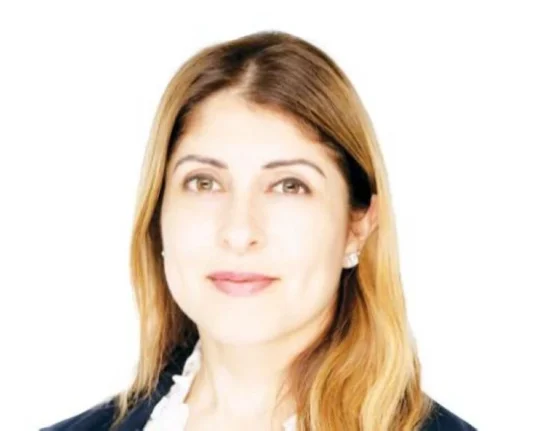
SHONA Robison has delivered her final Scottish Budget as Finance Secretary before the Holyrood election – and the spending and tax plans feature increased support for families and record funding for the NHS.
From income tax cuts to mansion tax rises, the Scottish Child Payment to breakfast clubs, here are all the key points you need to know from the Scottish Budget
Income tax changes
Robison has provided a tax cut to all full-time workers in Scotland in her Budget.
She announced that the basic and intermediate rates of income tax – the second and third lowest bands – would increase by 7.4%, pushing more people into the lower bands.
Crucially, this means more than half of Scots will pay less income tax than if they lived in the rest of the UK.
Robison said: “That is an increase in these thresholds of almost 11% in two years and, as a result, even more people in Scotland can expect to pay less tax than if they lived in England, Northern Ireland or Wales.
“That is over 55% of Scots set to pay less income tax because they live in Scotland and have a Government led by the SNP.”
Mansion tax
The Scottish Government has confirmed that from 2028 there will be two new council tax bands introduced for the those with the most expensive homes.
The new bands will be based on new valuations and impact homes worth more than £1 million.
Current council tax bands go from A to H and are based on severely outdated property valuations drawn up in 1991, meaning many Scots are likely in the wrong band and those living in the most expensive properties are getting a better deal than those in lower bands.
Campaigners are likely to welcome this as an important step in overhauling the regressive council tax, which is widely considered to be unfair and outdated.
However, it is a long way from a complete replacement for the tax, which the SNP have repeatedly pledged since before first coming to power in 2007.
Scottish Child Payment to increase
The Scottish Child Payment will be increased to £40 per week for families with a child under one-year-old from the 2027-2028 financial year.
The change “speaks to who we are as a Government”, Robison said.
The child payment will also rise by inflation this year.
“The first year of a baby’s life is one of the most exciting times for any family, but we know this time can bring extra stress and costs too, and that is why this Government is delivering the strongest package of support for families with young children anywhere in the UK,” Robison said.
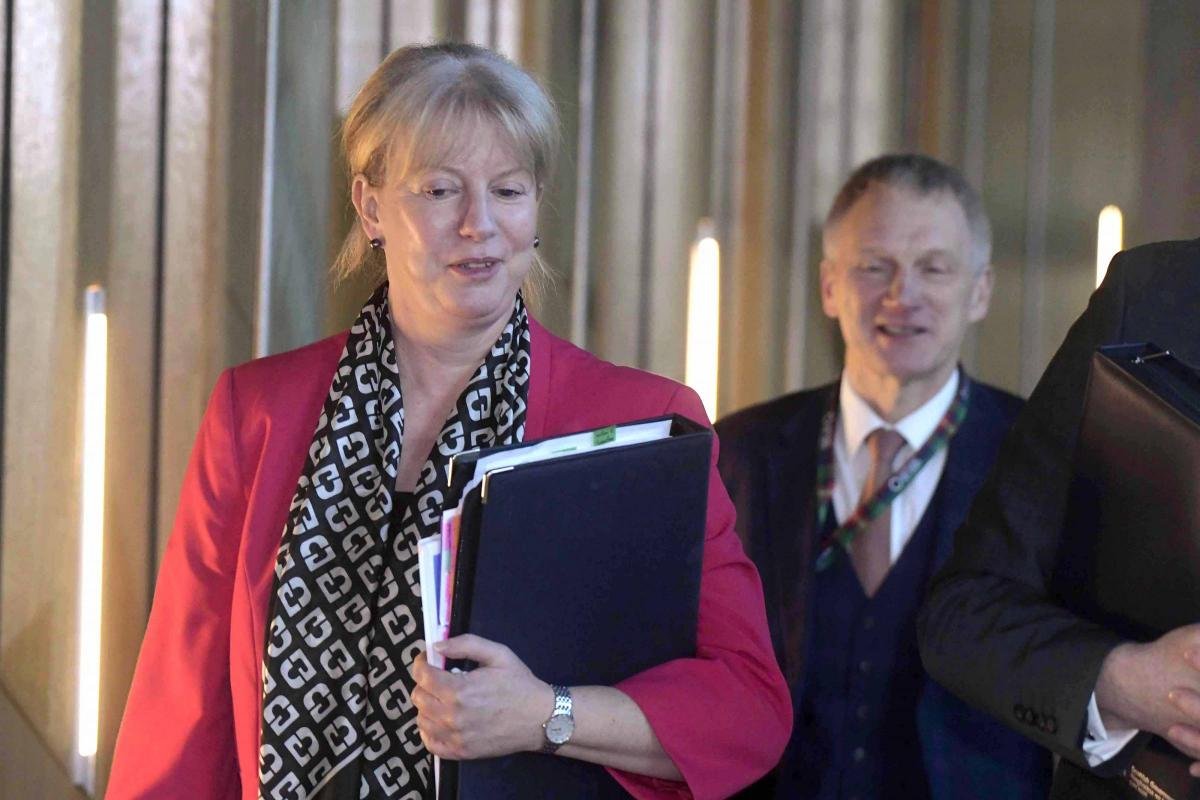
Shona Robison (Image: Scottish Parliament TV)
Private jet tax
It was announced that a private jet tax will be brought in by the Scottish Government. This was a key ask of the Scottish Greens, alongside a mansion tax.
An airport departure tax will also be put in place by April next year, with a consultation on the potential exemption for the Highlands and Islands, while the private jet tax would come in at a later date.
“I say to those who choose to travel by private jet in Scotland, you will pay and pay a fair share for that privilege and, in doing so, will be making Scotland a fairer nation,” Robison said.
Jamie Livingstone, head of Oxfam Scotland, welcomed the announcement saying: “This commitment to a private jet tax sends a clear message: the super-rich will no longer get a free pass to pollute Scottish skies.
“It must be brought in as soon as the Air Departure Tax is operational, but the true test will be how tough the tax is. It should be set sky-high so it punitively punishes the pockets of private jet passengers with the extra money raised spent on green projects that benefit us all.”
Breakfast clubs
Every primary and special school in Scotland will be given funding to host a breakfast club.
Funding will also be provided for the expansion of a Scottish Football Association-backed initiative to allow activities to take place between 3pm and 6pm in some primary schools.

Robison said: “It means that the morning rush to get everyone organised and out of the house becomes that little bit easier, the change to drop off the kids earlier at school, perhaps open up new shifts at work.
“For some families, saving on the cost of breakfast, for others, the kids getting a breakfast that they would not otherwise receive.”
Local government funding
The Finance Secretary announced a 2% increase to funding for local government, urging authorities to make “reasonable decisions” about council tax in its wake.
Robison said: “Our plans provide vital support for children with additional support needs and give local councils the resources that they need to continue narrowing the attainment gap and deliver on our commitments on class contact time.
READ MORE: First Minister to consider asylum hotel buffer zones after protest
“Overall funding for local government will increase by 2% in real terms comparing budget to budget, a settlement which is fair and which recognises the important role of local government in the delivery of key services.
“Decisions on council tax rates will, of course, be taken locally, however, this is a reasonable deal and given the cost-of-living pressures that we all recognise, I urge local authorities to translate the settlement into reasonable decisions on council tax.”
Record NHS funding
The Budget included a record £22.5 billion for health and social care, including a record £17.6 billion for NHS boards and resources to begin the national rollout of walk-in GP clinics.
The Government said walk-in GP clinics will make it easier to access same-day appointments.
The Budget documents state: “Investment across the NHS estate to modernise infrastructure and maintain and improve essential facilities will ensure resilience across services and properties.”
Business rates
The Scottish Government will reduce business rates for the three lowest valuations.
Following concerns from the business community, Robison announced the move alongside transitional relief of £184m over the next three years for those impacted by the recent revaluation.
The small business bonus scheme will continue for at least the next three years, while 15% rates relief will be provided for the same period – costing £138m – for leisure, hospitality and retail firms, capped at £110,000 annually, while similar firms on Scotland’s islands will be given 100% relief.
If additional resources come to Scotland as a result of changes made south of the Border to business rates for pubs, Robison assured MSPs, then “further support” would be made available in Scotland.
International aid increase
At a time when the UK Government is cutting its foreign aid budget, support for Scotland’s International Development Fund and the Humanitarian Emergency Fund will grow to £16 million in 2026/27, the Finance Secretary said.
The Budget documents state: “In the 20th year of our international development programme, we remain resolute in our commitment to address poverty and inequality overseas.
“Alongside responding to humanitarian crises globally, we work closely with our partner countries (Malawi, Rwanda, Zambia and Pakistan) to address the key issues of health, education and equalities.
“At a time when others are stepping back from commitments to the world’s poorest and most vulnerable, support for Scotland’s International Development Fund and the Humanitarian Emergency Fund will grow to £16 million in 2026/27.”