With energy prices still higher than households were used to even just a few years ago, it’s no surprise that many people are asking the question: how do I find the cheapest energy provider for my home?
Energy tariffs vary widely, prices change regularly, and what works for one household won’t necessarily suit another, so the answer isn’t always as simple as choosing the lowest headline price. However, by understanding your usage and knowing what to look for, you can make a confident and informed choice.
Here’s how to approach it.
1. Understand how much energy you use
Before comparing suppliers, it helps to have a clear picture of your household’s energy usage. This allows you to compare tariffs based on real data, rather than rough estimates.
If you have a recent energy bill, it will show how much electricity and gas you’ve used over the year in kilowatt hours (kWh). If you don’t, you can still estimate usage based on the size of your home and how many people live there, although actual figures are always more accurate.
Smart meters can help here, as they track usage automatically and show when and how you use energy. Over time, this makes it easier to choose a tariff that genuinely matches your habits.
2. Check what tariff you’re currently on
Many households are still on standard variable tariffs, which are often more expensive than fixed or specialist deals. While price caps limit how high these tariffs can go, they don’t guarantee the best value.
Check whether your tariff is fixed or variable, when it ends, and whether there are exit fees. If you’re out of contract or nearing the end of a fixed deal, it’s usually a good time to compare options.
3. Compare prices carefully
Price comparison websites are a useful starting point, but it’s important to look beyond the estimated annual cost.
Pay attention to:
- Unit rates (the price per kWh)
- Standing charges (the daily fixed cost)
- Contract length
- Any conditions or discounts attached
A tariff that looks cheaper upfront can sometimes work out more expensive depending on how and when you use energy.
4. Think about how flexible your usage is
Some suppliers offer tariffs designed around when you use energy, rather than charging the same rate all day. These can work well if you’re able to shift energy use to off-peak hours, such as running appliances overnight or charging an electric vehicle at quieter times.
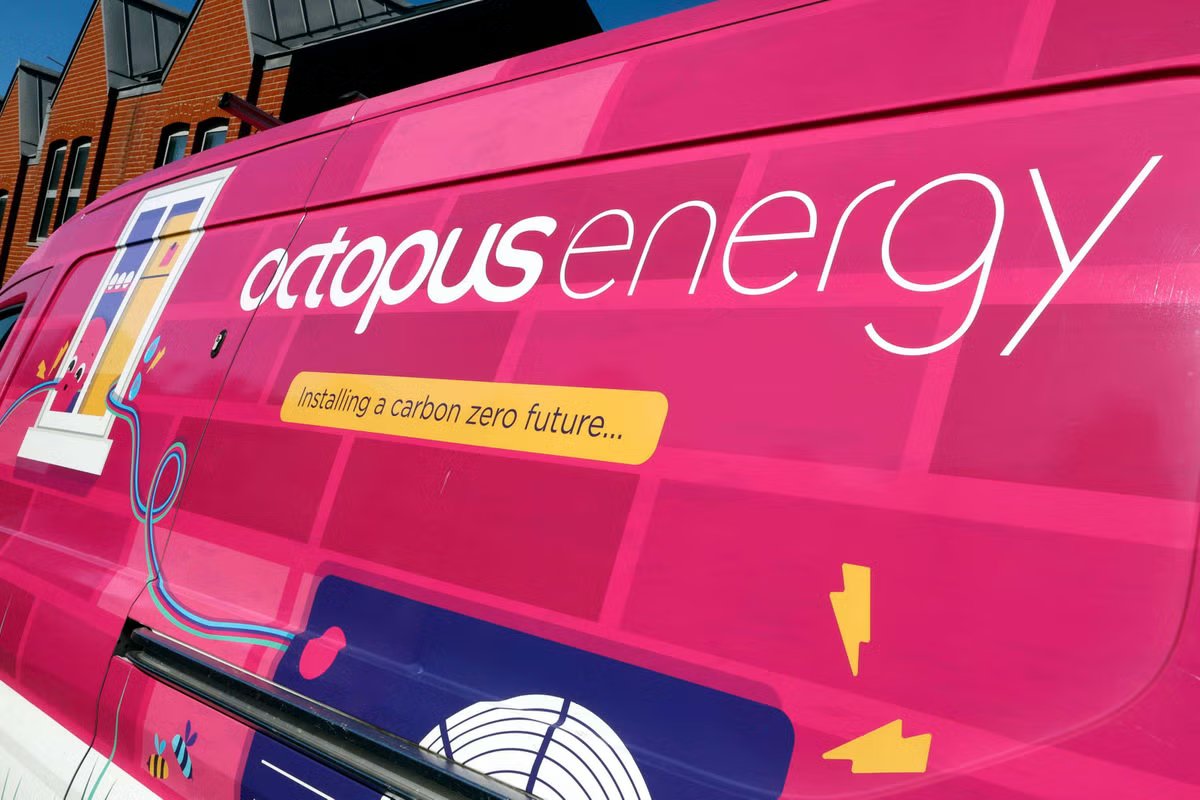
Providers such as Octopus Energy offer tariffs that reward this kind of flexibility, often supported by smart meters. These options won’t suit every household, but for some, they can help reduce overall costs.
5. Don’t ignore customer service
Price matters, but so does reliability. Billing errors, unclear statements or poor customer support can quickly outweigh small savings.
Before switching, it’s worth checking independent customer satisfaction ratings to see how suppliers perform when issues arise. For many households, peace of mind is worth paying a little extra for.
6. Switching is usually straightforward
Once you’ve chosen a new supplier, the switching process is typically simple. Your new provider handles the transfer, your energy supply won’t be interrupted, and you won’t need a visit from an engineer.
You’ll usually just need to provide a final meter reading to ensure your last bill is accurate.
7. Review your tariff regularly
Energy prices and tariffs change, as do household habits. Setting a reminder to review your energy deal once a year, or when a fixed tariff ends, can help ensure you’re not paying more than you need to.