ENERGY bills are set to fall by £138 a year for millions of households in April.
The energy price cap is expected to fall by 8% in April after the Budget moved some charges into general taxation, forecaster Cornwall Insight predicts.

As a result, an average household would pay £1,620 a year for their gas and electricity, which is the lowest level since 2024.
The price cap is set by the energy regulator Ofgem and restricts the maximum rate per unit and standing charge that customers can be billed when they are not on a fixed deal.
But the price cap doesn’t limit the total bill as households still pay for the amount of energy they consume.
After the Budget, some charges that were added to bills are being removed and will be paid for through general taxation.
Read more on energy bills
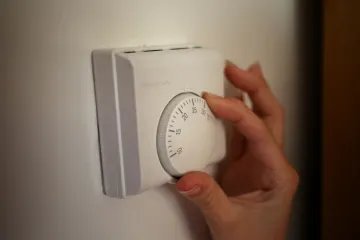

The Chancellor Rachel Reeves has previously said that the government would reduce energy bills by £150 by cutting green levies.
Other programmes such as the Energy Company Obligation scheme, which is designed to help reduce carbon emissions and tackle fuel poverty, have been scrapped.
Meanwhile, the anticipated rise in national grid costs is also slightly lower than previously thought.
Cornwall Insight has said that a further decline in bill prices in July is now likely.
But many households will see their energy bills inch up today, just as the Met Office has issued a cold weather alert.
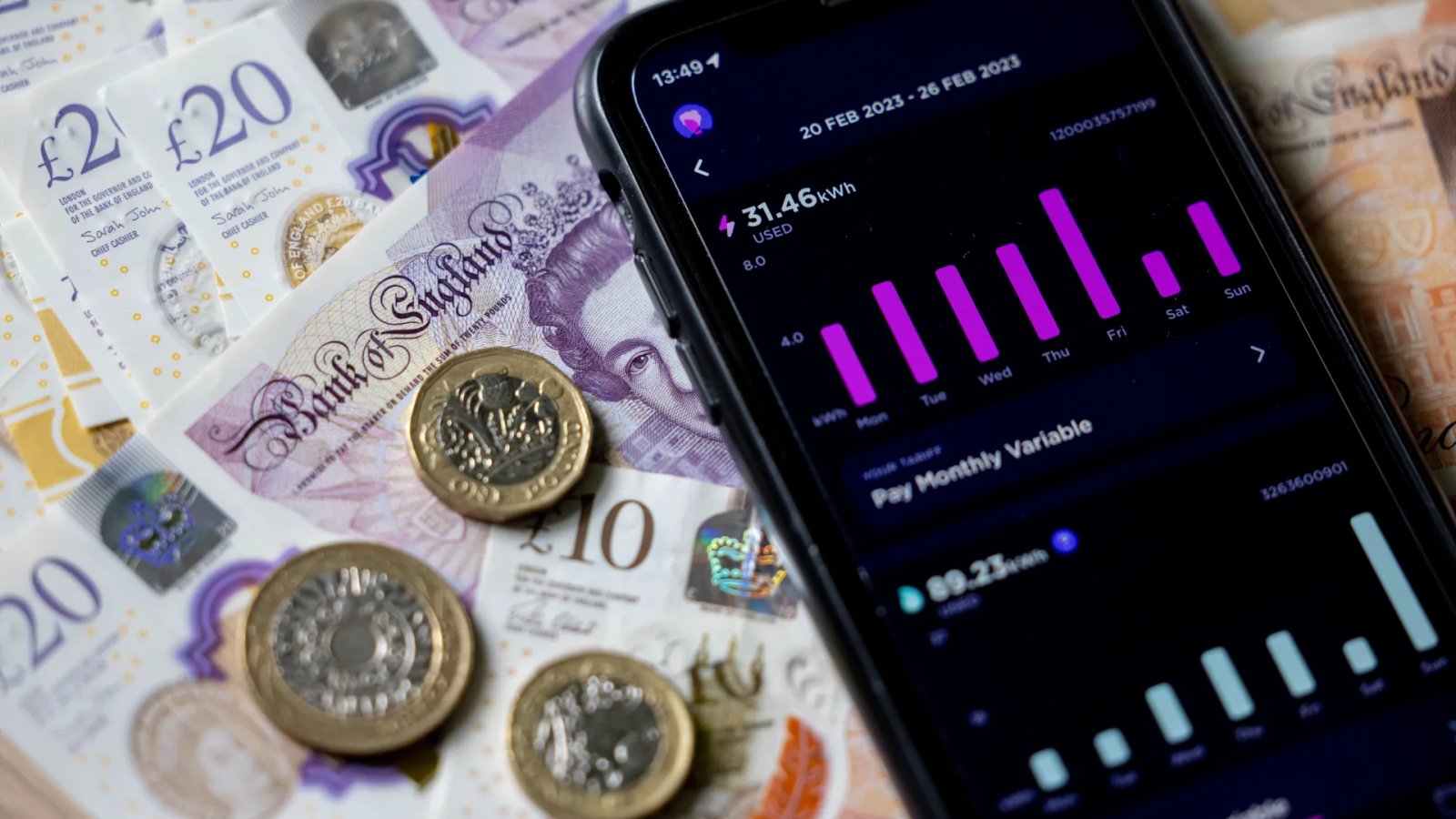
The energy price cap is set to increase by 0.2%, which is equivalent to a rise of around 28p a month for households that are on a standard variable tariff.
In total, their overall yearly bill will be £1,758, up from £1,755.
Policy costs are a key reason that bills are rising from now until March 31.
The increase in bills will be used to fund nuclear power projects and give some households an energy bill discount.
What energy bill help is available?
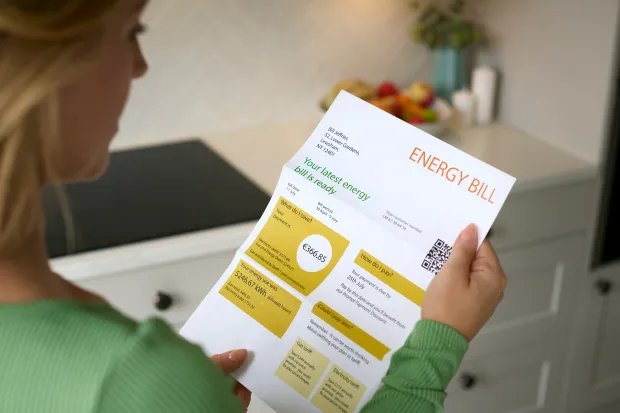
There’s a number of different ways to get help paying your energy bills if you’re struggling to get by.
If you fall into debt, you can always approach your supplier to see if they can put you on a repayment plan before putting you on a prepayment meter.
This involves paying off what you owe in instalments over a set period.
If your supplier offers you a repayment plan you don’t think you can afford, speak to them again to see if you can negotiate a better deal.
Several energy firms have schemes available to customers struggling to cover their bills.
But eligibility criteria vary depending on the supplier and the amount you can get depends on your financial circumstances.
For example, British Gas or Scottish Gas customers struggling to pay their energy bills can get grants worth up to £2,000.
British Gas also offers help via its British Gas Energy Trust and Individuals Family Fund.
You don’t need to be a British Gas customer to apply for the second fund.
EDF, E.ON, Octopus Energy and Scottish Power all offer grants to struggling customers too.
Thousands of vulnerable households are missing out on extra help and protections by not signing up to the Priority Services Register (PSR).
The service helps support vulnerable households, such as those who are elderly or ill.
Some of the perks include being given advance warning of blackouts, free gas safety checks and extra support if you’re struggling.
Get in touch with your energy firm to see if you can apply.