Key Takeaways
- Insurance loss control reduces the likelihood of claims through risk management practices.
- Policyholders can benefit from reduced premiums by participating in loss control programs.
- Insurers may require actions like installing safety systems to cut down on risks.
- Customized loss control plans help businesses mitigate specific operational risks.
- Proper preparation for loss control consultations can include gathering risk policies and safety programs.
What Is Insurance Loss Control?
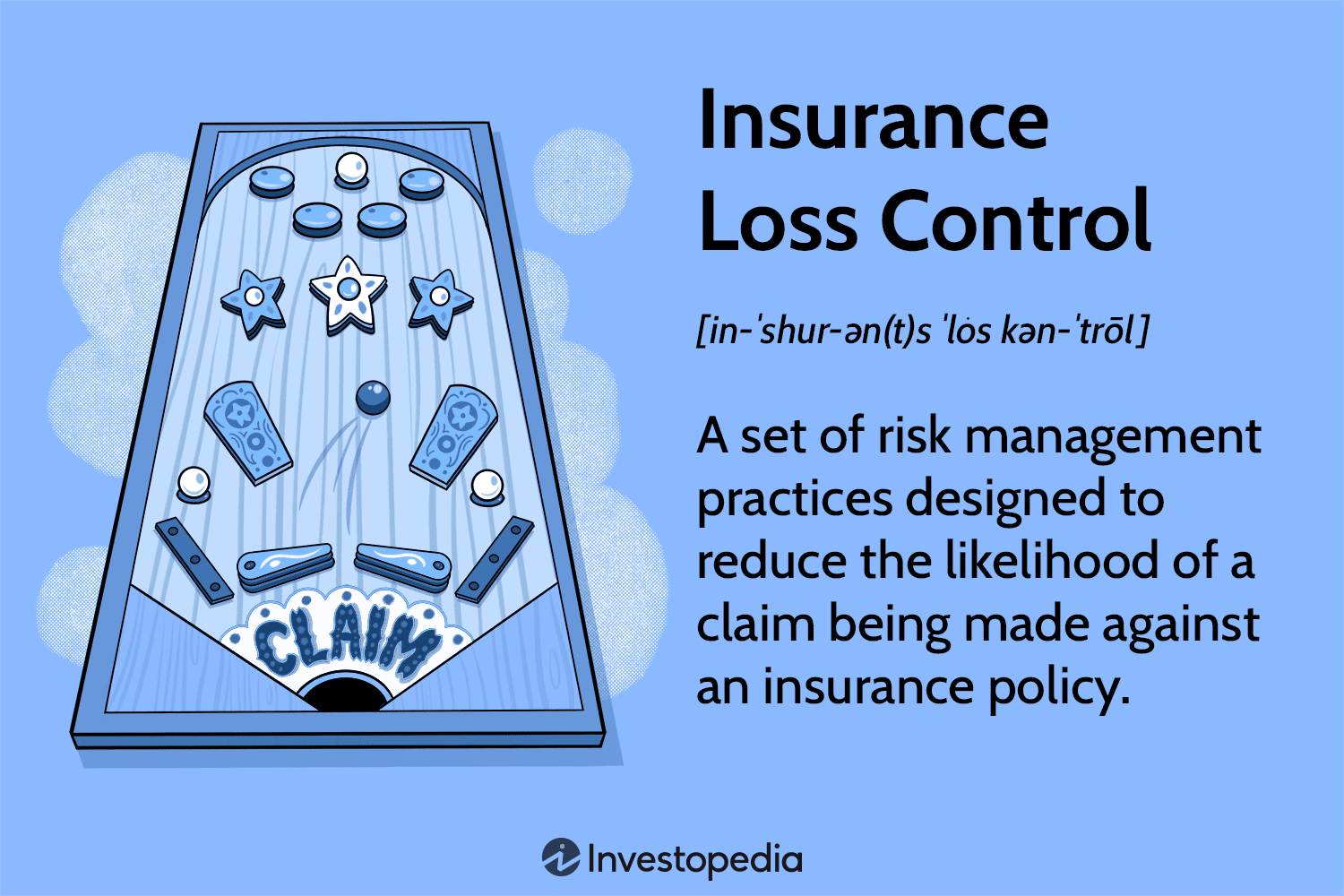
Insurance loss control refers to risk management practices that help lower the chance of an insurance claim and protect both policyholders and insurers. It often pairs risk identification with incentives or requirements, such as premium discounts for safe drivers or mandatory safety features in buildings. These measures reduce losses, improve safety, and keep coverage more affordable.
How Insurance Loss Control Manages Risks
Insurance loss control is a form of risk management that reduces the potential for losses in an insurance policy. This requires an assessment or a set of recommendations made by insurers to policyholders. The insurer may conduct a risk assessment before providing coverage.
Insurers may provide policyholders with incentives to be more risk averse. For example, an auto insurance company may reduce the premium for a policy if the driver takes a driver’s education course. This means that the company will collect a smaller premium, but it also reduces the risk of a claim being filed by the insured because a trained driver is more likely to operate the vehicle in a way that is safer, making them less likely to get into an accident.
Insurance companies may also require policyholders to take specific actions in order to reduce risk. For example, they may require a commercial building to install sprinkler systems to reduce the likelihood of fire damage, or they might require the installation of a security system in order to reduce the threat of theft.
Important
Insurance companies may require policyholders to complete loss control programs to cut down on risk and reduce the chances of claims.
Loss control programs benefit both policyholders and insurers. As mentioned above, policyholders may benefit from lower premiums, while insurers are able to cut down on their costs associated with having to pay out claims. Insurance companies identify activities that cause a claim to be filed by the insured, and attempt to reduce the odds of these activities occurring so they don’t have to pay out claims and dip into profits.
Tailored Loss Control Strategies for Businesses
Insurers may offer businesses customized loss control plans. Developing these plans involves a thorough examination of a company’s operations and operational history. The examination is designed to show the causes of risk, such as unsafe working conditions. The plan then provides a step-by-step solution to mitigating that risk.
For example, a factory may use loss control consultants to understand what causes workplace injuries. The consultants may find that a particular part of the manufacturing process currently involves placing workers in situations in which they are too close to machinery. A potential solution in this scenario is to increase the distance between workers and moving parts.
Insurance Coverage Types for Effective Loss Control
The type of information collected by an insurance company’s loss control consultant tends to vary. If a company has workers’ compensation insurance, a consultant may ask questions about the number of employees, practices for hiring, selection and training practices, as well as the employees’ jobs. If a business has commercial auto insurance, a loss control consultant may ask questions about driver selection, training, and vehicle maintenance and inspections. If a company has commercial property coverage, an insurance loss control consultant may inspect the facility and fire protection systems.
To prepare for an insurance loss consultant visit, a business owner should collect any written risk control policies and procedures. These items may include hiring and disciplinary policies, job descriptions, drug testing policies, safety programs, training schedules or records, OSHA 300 forms, return-to-work programs, fleet safety and maintenance programs, quality control practices and fire protection inspections.
The Bottom Line
Insurance loss control reduces the change of claims by managing risk, helping policyholders lower premiums while reducing insurer payouts. Common methods include driver training, sprinkler systems, and tailored plans to prevent workplace injuries. These measures improve safety and keep coverage more affordable.