Energy regulator Ofgem insists new funding deal for network companies will means UK is less reliant on imports, but critics claim it risks fattening firms’ bumper profits
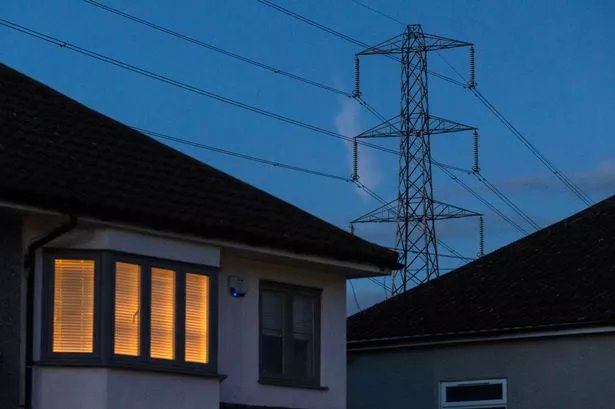
Watchdogs faced criticism after agreeing a £28billion deal for energy giants that will add nearly £110 a year to customer bills.
Industry regulator Ofgem has given the green light for companies to upgrade and invest in their electricity and gas networks over the next five years.
The firms can recoup the money from customers, starting with £40 on bills next April and rising to £108 a year by 2031. However, that figure is before taking account of the savings that such large scale investment is expected to bring. Ofgem estimates that, when that is factored in, the increase in 2031 will be more like £30 per customer.
The deal is £4billion more than Ofgem proposed earlier this year after industry lobbying. Ofgem claimed the investment would reduce the UK’s reliance on imported energy and save households money in time.
Citizens Advice claimed the latest deal comes after network companies were allowed to rake in £4billion in windfall profits over the last four years. Gillian Cooper, its director of energy, said: “This announcement confirms energy bills will rise by around £40 from April 2026, with further increases in years to come.”
Simon Francis, coordinator of the End Fuel Poverty Coalition, warned Ofgem risks “signing a blank cheque” for network and transmission companies. These vast sums of essentially public money must come with proper scrutiny and guarantees for consumers,” he said. These firms have already made billions in profits during the energy crisis, with significant returns flowing to offshore investors and so-called ‘vampire funds’.
“Households can’t keep footing the bill while private equity profits. Every penny added to customers’ bills must be spent delivering clear value for money and actively helping to reduce the cost of energy in the long-term and ensure energy security.”
Greenpeace UK’s senior climate advisor, Charlie Kronick, said: “Energy costs are a major pressure on households and businesses and, as we move to a cleaner energy system, prices must eventually come down. The government should be prepared to step in to ensure our energy system works for billpayers, not profits.”
Dale Vince, founder of energy firms Ecotricity, claims one of the main ways to bring down energy bills is to “break the link” between wholesale gas prices and those for electricity. Ofgem are wrong to claim that increasing renewable energy on the grid, which these bill hikes will support – will in turn lower bills and or insulate us from volatile gas prices,” he said. Unless we break the link we will remain attached to volatile global gas prices and we will continue to allow the global gas price to set the price of our own green energy.” He added: “Mostly foreign owned, monopoly network operators make annual profit margins of 40%, ship billions abroad in dividends, fail to invest in our networks and then are allowed to put bills up, so that they can invest. It makes no sense, other than in our Alice in Wonderland regulated energy market.”
But Andy Prendergast, national secretary of the GMB union, said: “We’ll have to see the details, but long overdue investment in the gas and electricity grid is welcome, particularly if it help us move towards energy independence. For too long these decisions have been ducked by governments, it’s good to see one finally stand up and make the big calls.”
The companies ramping-up investment include those that own power lines, cables and gas pipes, rather than suppliers. Of the £28billion, nearly £18billion will be spent on gas transmission and distribution networks, with a further £10.3billion used to strengthen the UK’s high-voltage electricity network.
Households will see the network charges on bills – which make up around a fifth of average annual energy costs – rise by £108 by 2031 to cover the cost of the extra investment, up from the £104 rise estimated in its draft verdict in July.
Jonathan Brearley, chief executive of Ofgem, said: “The investment will support the transition to new forms of energy and support new industrial customers to help drive economic growth and insulate us from volatile gas prices.
A government spokesperson said: “Upgrading our gas and electricity networks after years of underinvestment is essential to keep the lights on and ensure energy security for our country.”
Dhara Vyas, chief executive of trade body Energy UK, said: “Increasing investment in the infrastructure that transports energy across the country is vital to ensuring our networks remain safe, secure and reliable and are equipped to meet the demands of our energy system over the coming decades. That this will be the biggest expansion of the electricity grid since the 1960s underlines the need for a programme of modernisation but with increased demand from the electrification of our homes, businesses and transport, as well as new developments like the anticipated wave of data centres, it’s essential that we also increase its capacity.”
Ofgem has been reviewing the plans put forward by energy companies since the start of the year and has made reductions of more than £4.5billion compared with the initial £33billion plans submitted. But it increased the amount that was first proposed in July following pressure from network firms, which said more was needed to account for extra electricity transmission development and infrastructure health, among other reasons.
Ofgem said the 80 new power projects the investment will help fund include boosting the grid’s capacity through new power lines, substations and other technologies, to handle the flow of electricity from new renewable sources.
Scottish and Southern Electricity Networks, which is owned by SSE, said: “The investment it delivers will help reduce reliance on imported energy from overseas, remove grid bottlenecks and strengthen energy security, as well as acting as a major catalyst for economic growth, jobs and supply chain investments across the UK to unlock the country’s full potential.”
National Grid, which runs much of Britain’s electricity grid, said it welcomed Ofgem’s “recognition of the need for significant investment into the electricity transmission sector” and would review whether the package approved “delivers an overall framework that is both investable and workable”.