Chancellor Rachel Reeves unveiled £26 billion a year of tax rises and HMRC has confirmed timeframes for some of the key policies

HMRC has confirmed when a series of major tax changes will come into force for Brits across the country after the long-awaited Autumn Budget. Chancellor Rachel Reeves unveiled £26 billion a year of tax rises in a budget that was accidentally leaked by the Office for Budgetary Responsibility (OBR) moments before it was published last week.
It included a new mansion tax – affecting homes worth over £2 million – along with the abolition of the two-child benefit limit following years of campaigning by anti-poverty campaigners.
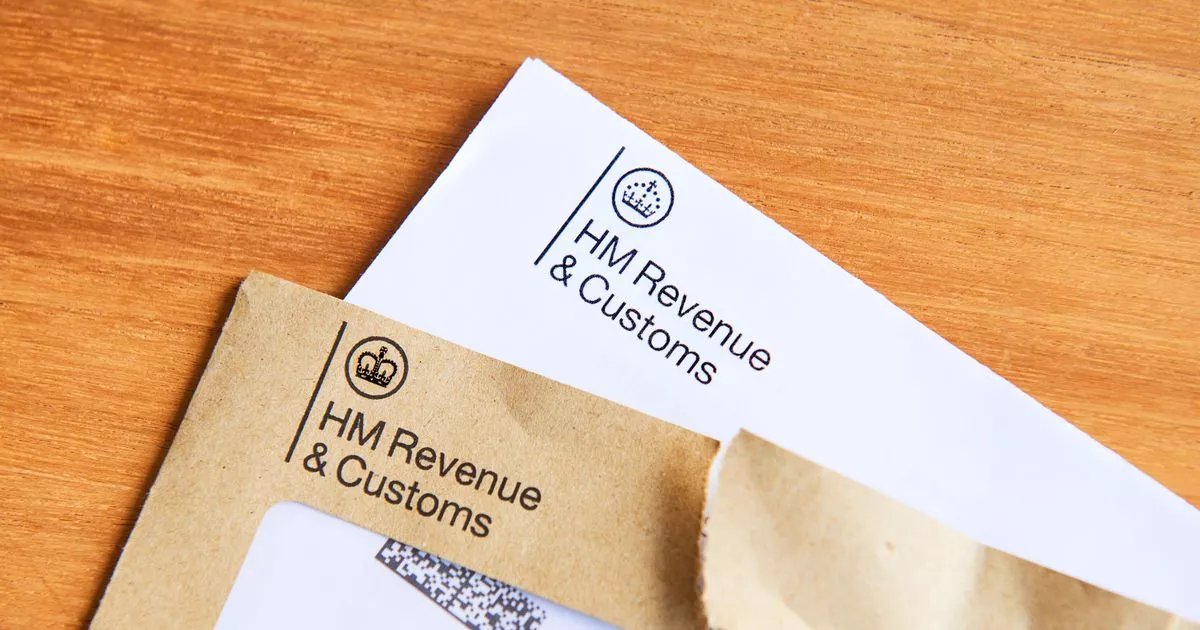
HMRC last night outlined the timeframes for several key policies and how they’ll impact Brits. From April 1 2027, there will be a 2% increase to the basic, higher, and additional rates of savings income tax – which will rise to 22%, 42% and 47% respectively.
As it stands, basic rate taxpayers can receive £1,000 of interest without paying tax, and higher rate taxpayers can receive £500.
The amount of money that can be saved tax-free in a cash ISA will also be reduced from £20,000 to £12,000 for the under-65s – with ministers trying to encourage Brits to invest more.
Around 25% of Brits who save money into a cash ISA save more than £12,000 a year and many of them are pensioners – which is why the Chancellor has exempted the over-65s.
A third of private sector workers and approximately 10% of public sector staff use a salary sacrifice scheme for their pensions – giving up a portion of their salary so their employer can pay the equivalent amount into their pension. As a result, both make savings in national insurance.
However, from April 2029, only the first £2,000 of salary sacrificed pension contributions will be exempt from National Insurance contributions (NICs).
Employees can still contribute as much as they want to their pensions, including via salary sacrifice, and these contributions will still be exempt from income tax.
Staff who choose to sacrifice part of their salary to receive Tax Free Childcare or Child Benefit can also keep doing so. However, any pension contributions above £2,000 will be subject to employer and employee NICs.
Alongside this, the government is also hiking the rates of tax on property income and dividends – part of a company’s profit which is paid to its shareholders.
The ordinary and upper rates will rise to 10.75% and 33.75% respectively.
Property income will have its own individual tax rates. From April 2027, the property basic rate will be 22%, the property higher rate will be 42% and the property additional rate will be 47%.
Last week, Downing Street denied that the Chancellor had misled the public or markets with warnings over the size of the black hole in the public finances.
The OBR said it had informed her in September that the gap would be much smaller. And on October 31, the OBR told the Chancellor that the black hole had been filled and there was now a small surplus.